
Skip to content
Multicyclone

Multicyclone

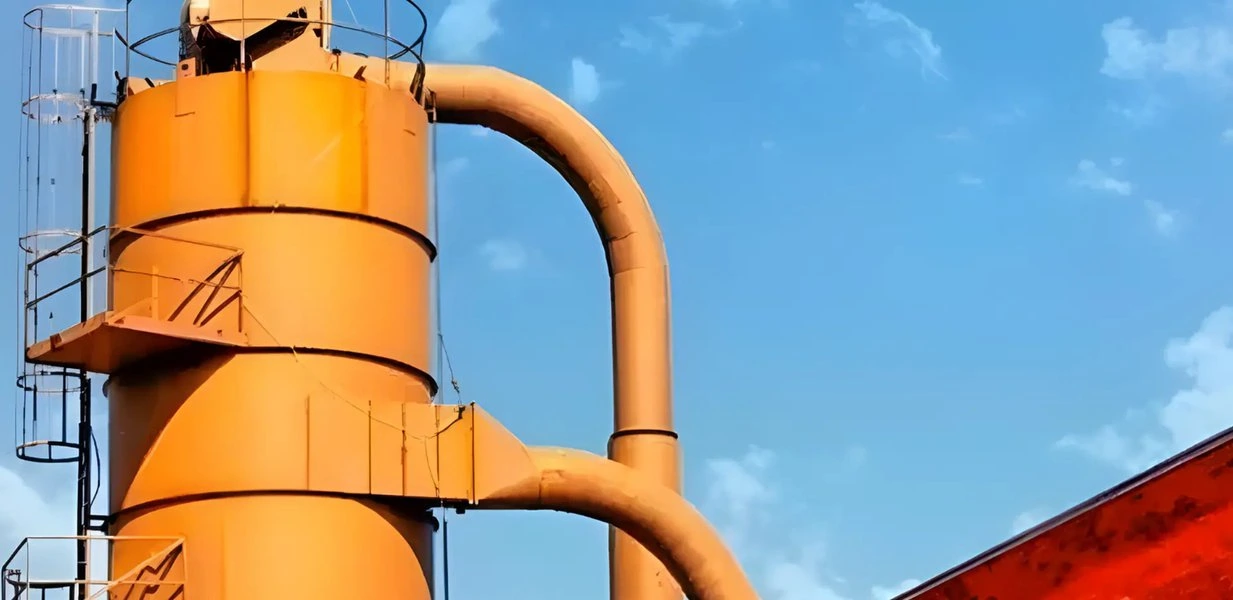
A bank of parallel axial-entry cyclone tubes that removes coarse dust, sparks and embers from hot flue gas ahead of a bag filter or electrostatic precipitator.

Call Directly

MDSJ Process — DUCON is an Istanbul-based Turkish manufacturer with its factory in Çerkezköy; the Multicyclone range has been designed and built in-house since 1986.

Fast project discussion

Talk to the technical team without waiting for a form

Share capacity, material, temperature, process, and site constraints by phone or email; the team can respond with clear technical next steps.

Multicyclone

Dry Collection

DUCON

Product Gallery

Multicyclone

3 images
Multicyclone
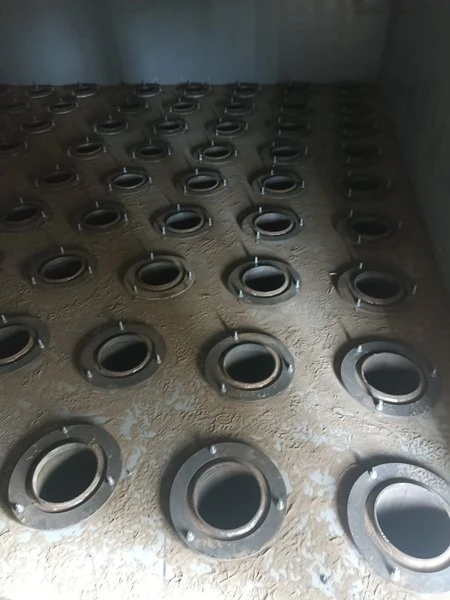
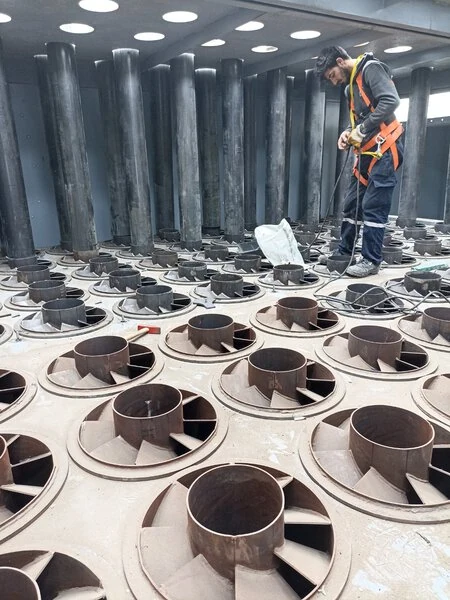
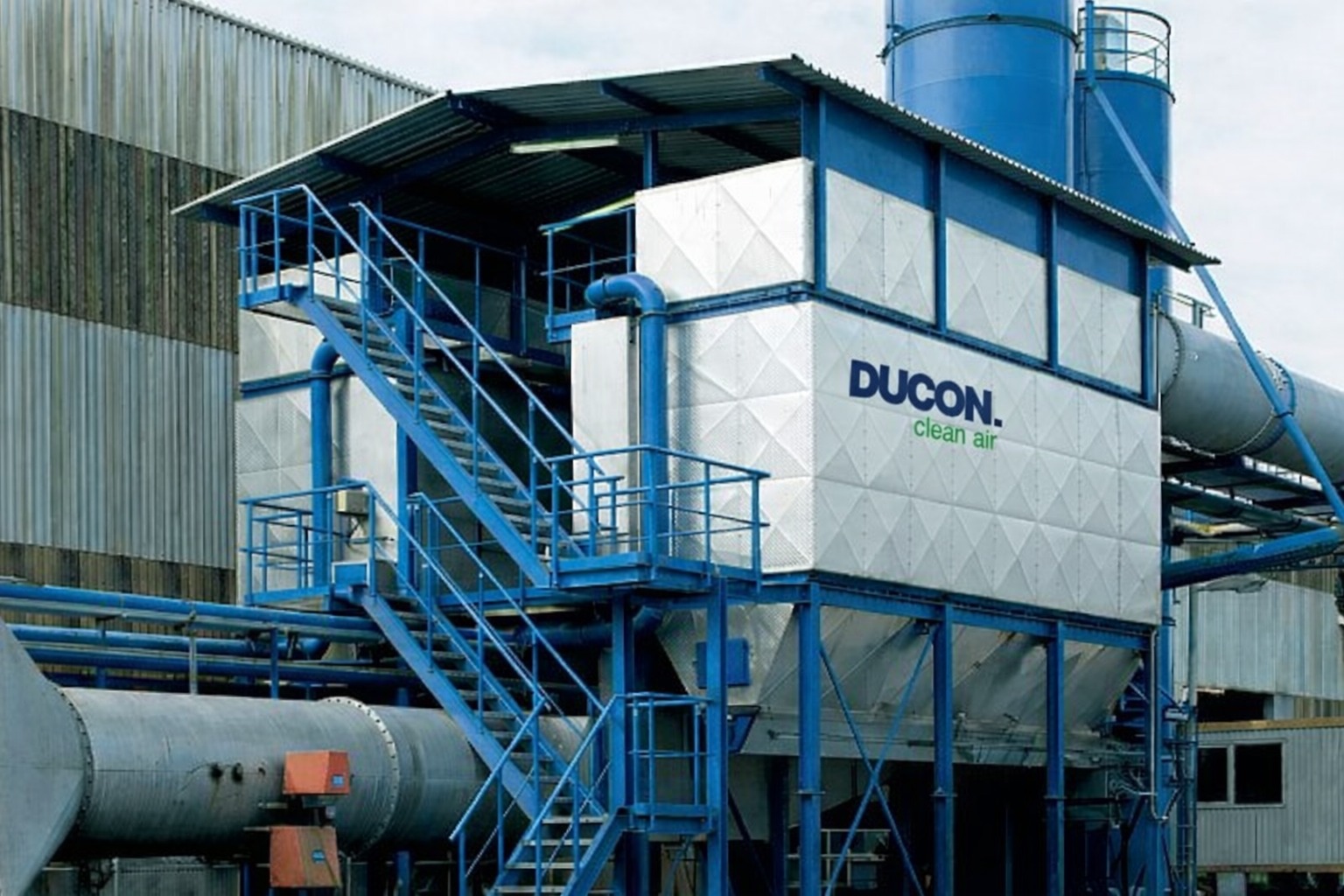
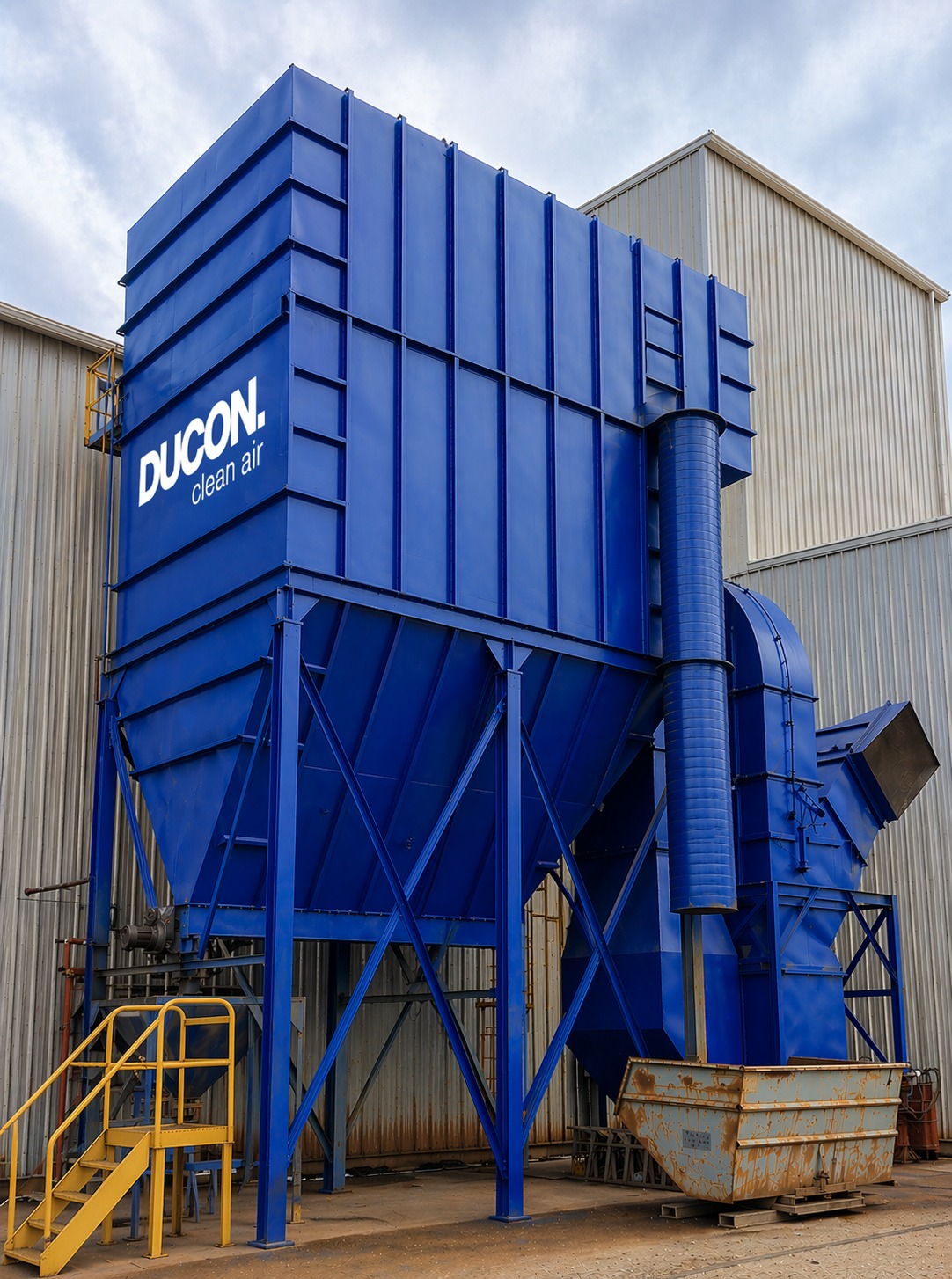
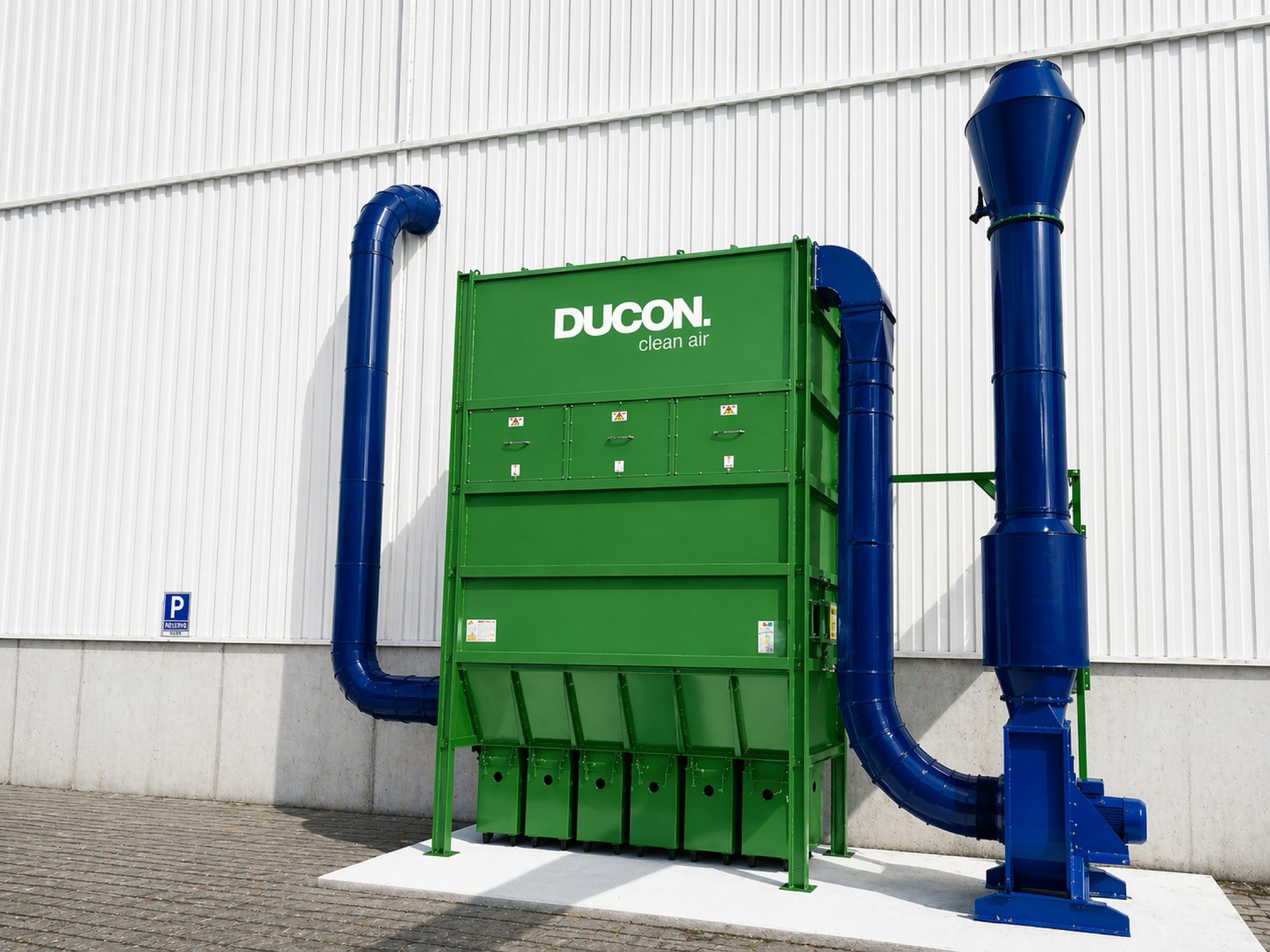
Multicyclone dust collector with cast iron cyclone tubes, MDSJ Process — DUCON
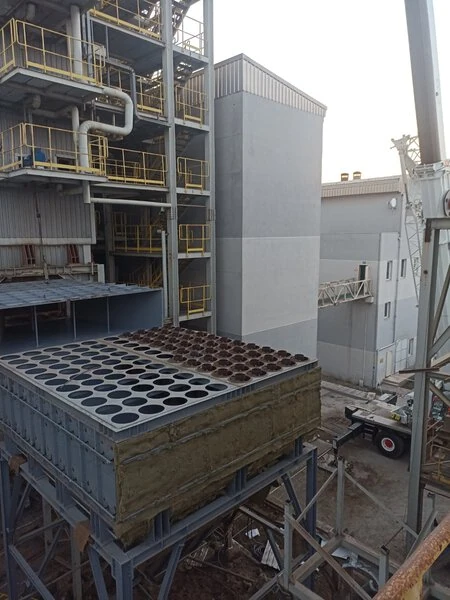
Multicyclone tube bank and ash hopper with rotary valve, MDSJ Process — DUCON

What Is a Multicyclone?

A multicyclone is a dust pre-separator built from many small axial-entry cyclone tubes arranged in parallel between an upper clean-gas plenum and a common ash hopper. MDSJ Process — DUCON manufactures multicyclones for hot flue gas where a downstream bag filter or electrostatic precipitator needs protection from coarse dust, sparks and embers.

  • Working principle: Dirty gas enters each tube through 8 fixed guide vanes set at 40°. The vanes create a downward vortex; dust is thrown to the tube wall and slides into the hopper, while clean gas leaves upward through a Ø120 mm vortex finder into the plenum.
  • Tube sizes: Ø150 mm for fine ash and high efficiency; Ø230 and Ø320 mm for heavy dust loads and coarse particles. The Ø150 element is 1,200 mm long with a 600 mm cylindrical separation zone, a 400 mm cone and a Ø50 mm dust outlet.
  • Materials: Tubes and vanes in grey cast iron EN-GJL-250 (GG25), 8 mm wall including wear allowance, so no separate lining is needed. S355JR steel tubes are an alternative. The casing is welded, gas-tight steel with external stiffeners.
  • Ash discharge: Pyramidal hopper with a minimum 60° wall angle, flanged outlet and rotary valve for continuous discharge.

Pressure Drop and Efficiency

Pressure drop rises with the square of tube velocity. Higher velocity gives a smaller cut size and higher efficiency. A low pressure drop means more tubes and a larger casing. Typical values are 5–20 mbar and 80–95% efficiency on boiler ash, depending on particle size distribution. In a 100,000 m³/h biomass and sewage sludge boiler duty with d50 52 µm, 132 elements at 11.9 m/s gave 8–9.6 mbar and about 83%; 96 elements at 16.4 m/s gave 15–18 mbar and about 92%.

Role in the Gas Cleaning Line

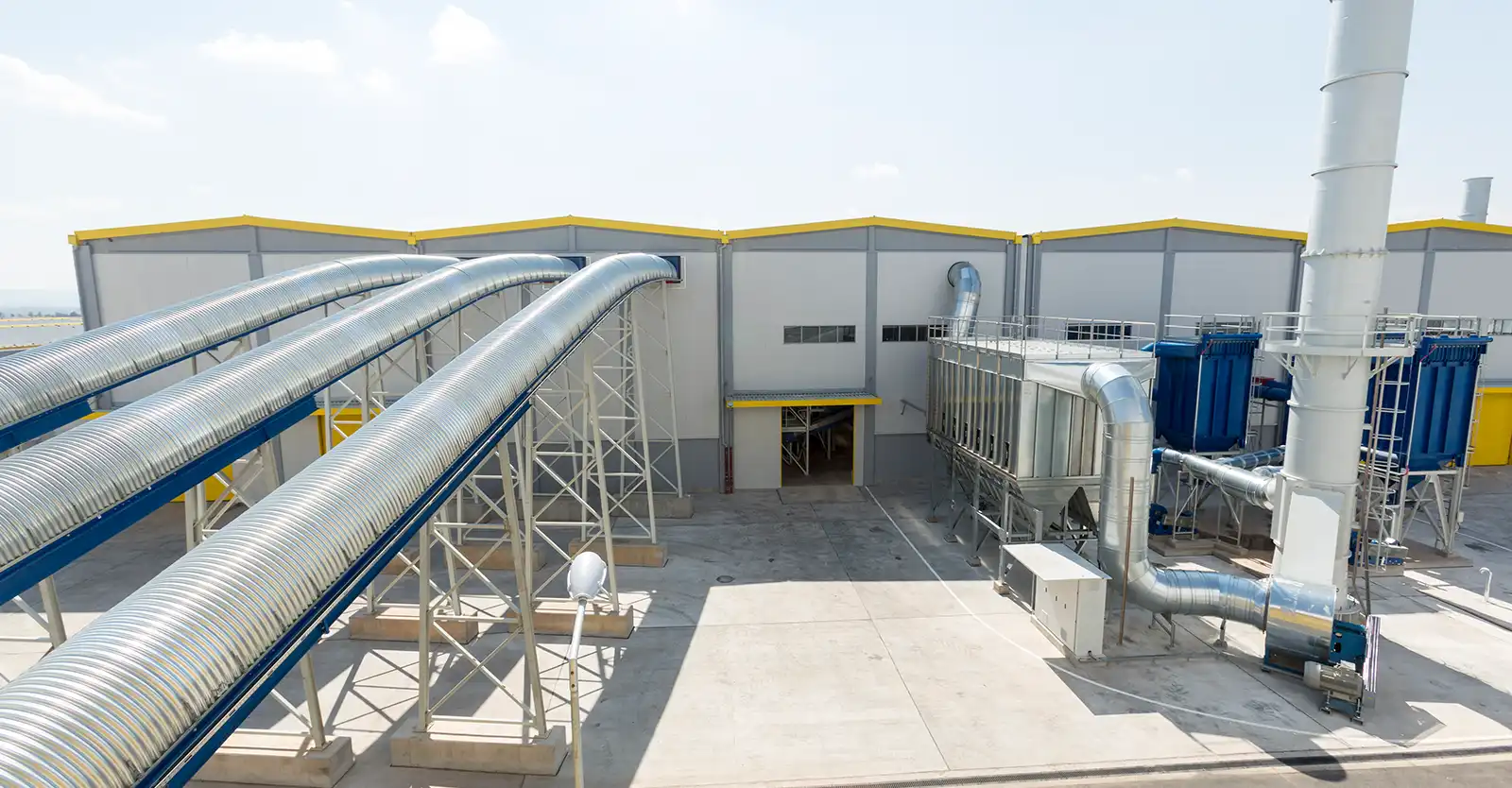
An outlet of 0.5–1.2 g/Nm³ is above most emission limits. The multicyclone is therefore a pre-separator: it lowers the dust load and removes sparks and glowing particles before a bag filter or electrostatic precipitator brings the gas to the limit value. It has no moving parts; maintenance covers vane and tube wear checks through access doors and hopper sealing.
Applications

Biomass and sewage sludge boilers, coal and lignite boilers, pre-dedusting in waste-to-energy plants, dryers, pre-separation after cement clinker coolers, wood and MDF plants, foundries, lime and gypsum plants. In each case the multicyclone sits upstream of a bag filter or electrostatic precipitator and removes the coarse fraction, sparks and embers before they reach the final filter.

Selection Criteria

  • Tube diameter: Ø150 mm for fine ash and high efficiency; Ø230 or Ø320 mm for heavy dust load and coarse particles.
  • Tube velocity sets the trade-off: 11.9 m/s gave 8–9.6 mbar and about 83%; 16.4 m/s gave 15–18 mbar and about 92% in the reference design.
  • Number of elements follows from gas flow and allowed pressure drop; a low pressure drop means more tubes and a larger casing.
  • Material: grey cast iron EN-GJL-250 (GG25) with 8 mm wall including wear allowance, or S355JR steel tubes.
  • Design temperature typically 180–250 °C; higher values are possible with a different material selection.

Technical Range

  • Pressure drop 5–20 mbar, rising with the square of tube velocity.
  • Collection efficiency 80–95% on boiler ash, depending on particle size distribution.
  • Outlet dust in the order of 0.5–1.2 g/Nm³; in the reference design an inlet of 6.0 g/Nm³ gave ≤1.0 g/Nm³ with 132 elements and ≤0.5 g/Nm³ with 96 elements.
  • Reference design: 100,000 m³/h biomass and sewage sludge boiler flue gas at 157–180 °C, d50 52 µm, two parallel modules, 132 or 96 elements.

Relation to the Bag Filter

  • The multicyclone outlet is above most emission limits; a bag filter or electrostatic precipitator follows to reach the limit value.
  • It removes sparks and glowing particles before the filter bags.
  • It reduces the dust load reaching the filter, so the filter is sized for a lower inlet concentration.
  • No moving parts in the gas path; maintenance is limited to vane and tube wear inspection and hopper sealing.

Frequently Asked Questions

What collection efficiency does a multicyclone reach?

On boiler ash 80–95%, depending on particle size distribution and tube velocity. In a reference design with d50 52 µm, 132 elements gave about 83% and 96 elements about 92%.

What is the pressure drop of a multicyclone?

Typically 5–20 mbar. It rises with the square of tube velocity: 11.9 m/s gave 8–9.6 mbar and 16.4 m/s gave 15–18 mbar for the same gas flow.

Can a multicyclone meet emission limits on its own?

Usually not. Outlet values of 0.5–1.2 g/Nm³ are above most limits. A bag filter or electrostatic precipitator downstream brings the gas to the limit value.

Which tube diameter is used?

Ø150 mm for fine ash and high efficiency; Ø230 and Ø320 mm for heavy dust load and coarse particles. The Ø150 element is 1,200 mm long with a 600 mm separation zone and a 400 mm cone.

What material are the tubes made of?

Grey cast iron EN-GJL-250 (GG25) with 8 mm wall including wear allowance, so no separate lining is needed. S355JR steel tubes are an alternative. Design temperature is typically 180–250 °C.

What data is needed to size a multicyclone?

Gas flow in m³/h at operating temperature and pressure, gas temperature, dust load in g/Nm³, particle size distribution (d10/d50/d90), dust type and abrasiveness, and the required outlet value or the allowed pressure drop.

Quick Info

Tube diameters Ø150, Ø230 and Ø320 mm; cast iron EN-GJL-250 (GG25) tubes with 8 mm wall, no separate lining.
Pressure drop 5–20 mbar; collection efficiency 80–95% on boiler ash depending on particle size distribution.
No moving parts; design temperature typically 180–250 °C; continuous ash discharge via rotary valve.

HTML Engineering Resources

Jump to the application page, reference project, and industry series without waiting for a PDF.

Discuss the Project Directly

Share product, capacity, and process details without filling out a form first.

Call Directly Send Email Open the quote form if preferred

Embed This Product

Copy the code below and paste it into your website.

Start a project discussion for this product

Reach the team directly by phone or email; the form is optional.

Call Email