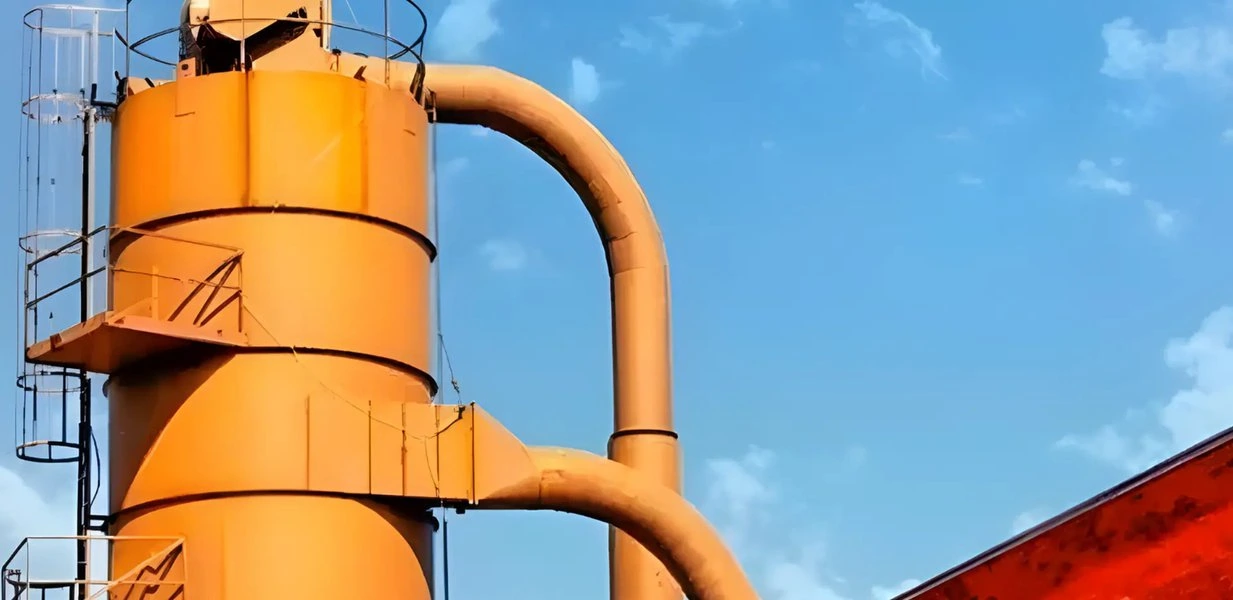
What is DeNOx?
DeNOx is the general term for the emission-control technology used to reduce nitrogen oxides (NOx) in industrial flue gas. There are two main methods: non-catalytic SNCR and catalytic SCR. Both reduce NOx to harmless nitrogen (N2) and water vapor.
What is the difference between SNCR and SCR?
SNCR (non-catalytic) injects reagent directly into hot flue gas in the 850-1100°C range and typically achieves 30-60% removal. SCR operates over a catalyst at 250-400°C and reaches 90%+ efficiency. SCR offers higher efficiency, SNCR offers lower cost.
How much NOx does a DeNOx system remove?
SNCR typically removes 30-60% of NOx, while SCR typically removes 80-95% (90%+ depending on application and catalyst volume). Strict emission limits usually require SCR or a hybrid SNCR+SCR solution.
Which reagent is used in a DeNOx system?
The most common reagents are ammonia (25% solution or anhydrous ammonia) and urea (40-50% solution). Reagent choice depends on safety, storage, and logistics; both ultimately supply the ammonia that reduces NOx to nitrogen.
What is ammonia slip and why does it matter?
Ammonia slip is the unreacted ammonia that leaves with the flue gas. It matters for reagent waste, downstream equipment fouling, and secondary emissions; it is typically targeted to stay below 5-10 mg/Nm³.
At what temperature does SNCR operate?
SNCR typically operates within an 850-1100°C temperature window, with optimum efficiency usually in the 900-1000°C range. The reagent must therefore be injected into the correct temperature zone of the boiler or furnace; the wrong temperature lowers efficiency and increases slip.
What is the life of an SCR catalyst?
An SCR catalyst typically lasts 3-5 years. Its life depends on factors such as dust load, sulfur (SO2/SO3) content, and poisoning heavy metals. The catalyst usually consists of a V2O5-WO3 active phase on a TiO2 carrier.
Is there a DeNOx system manufacturer in Turkey?
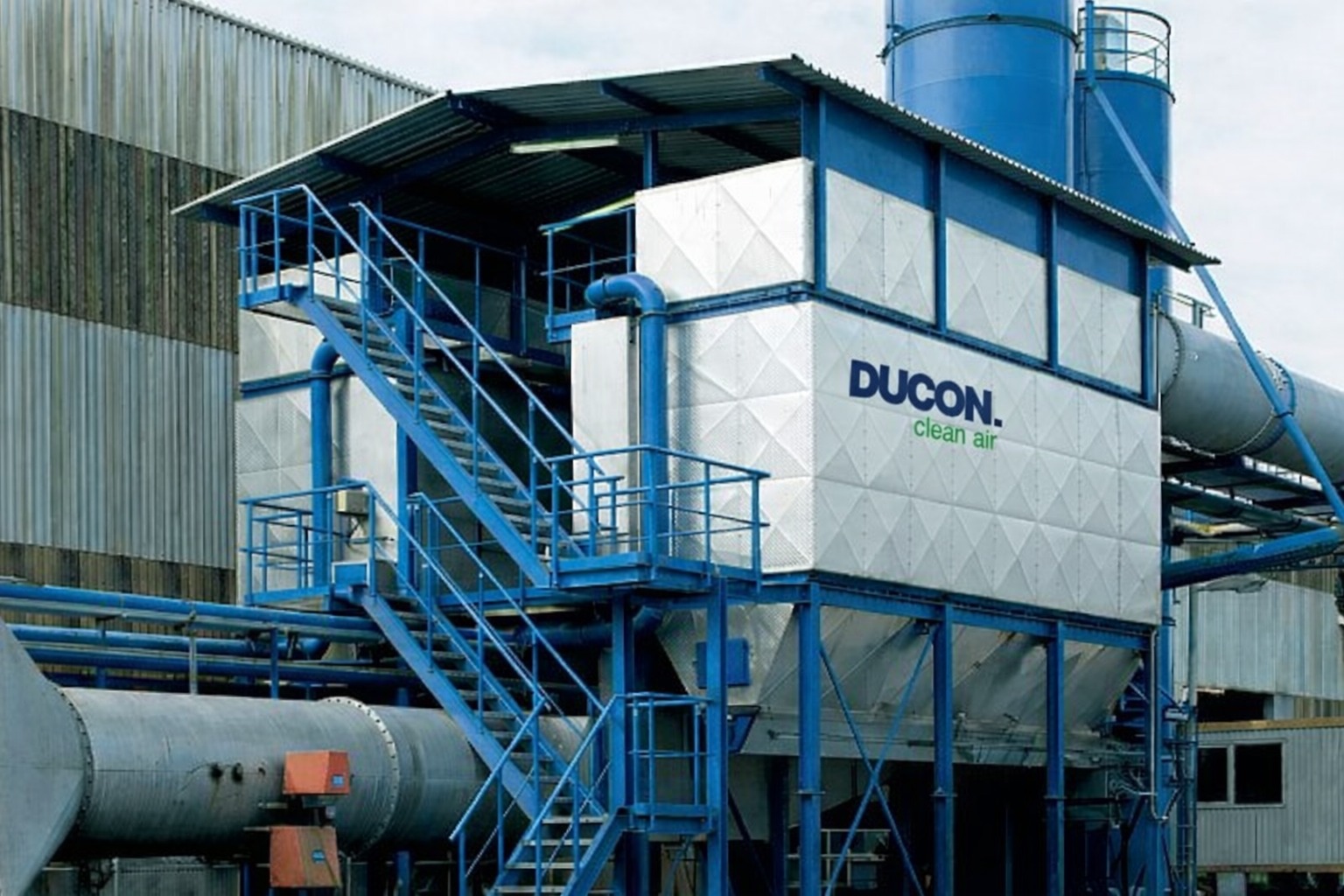
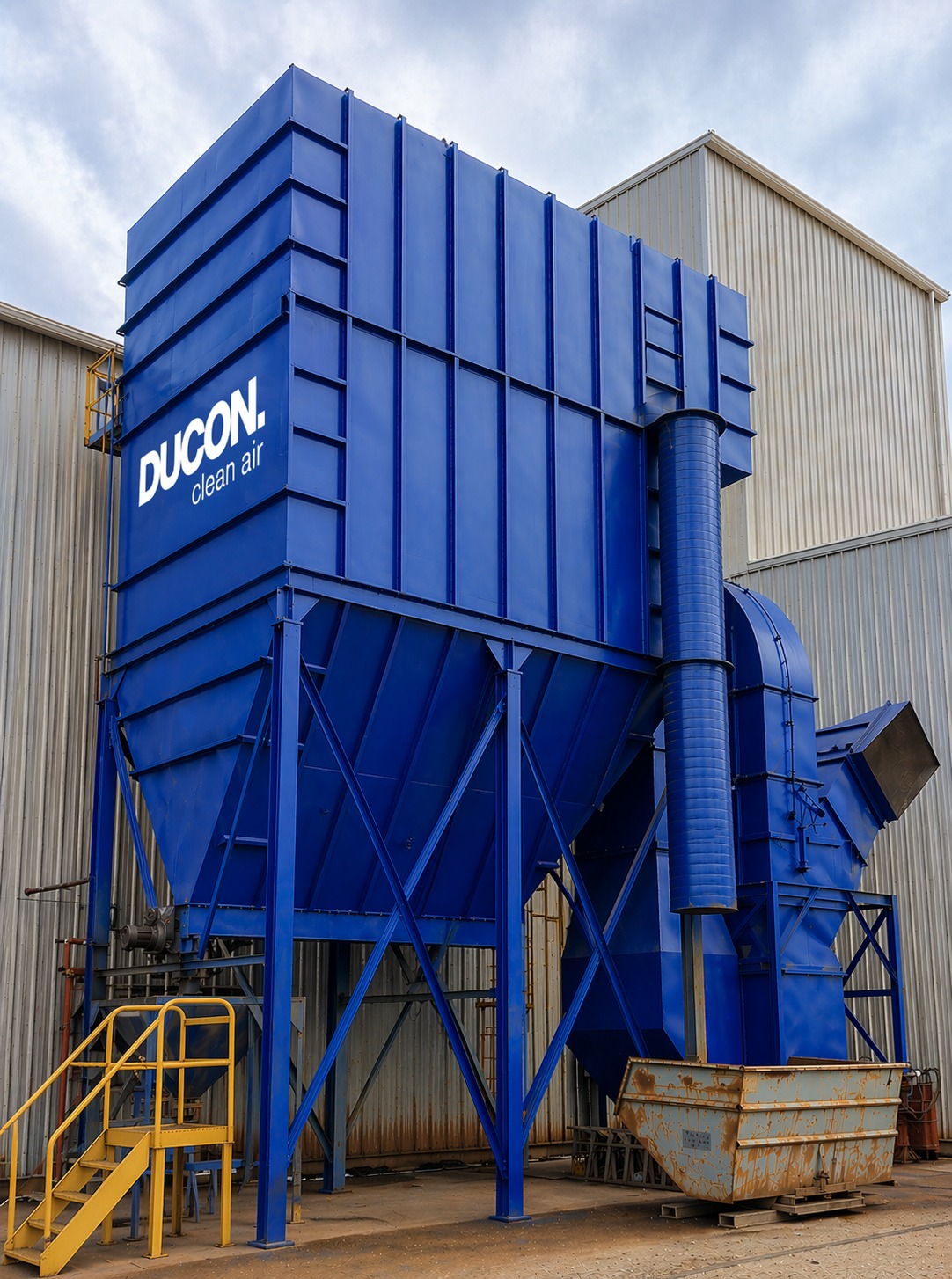
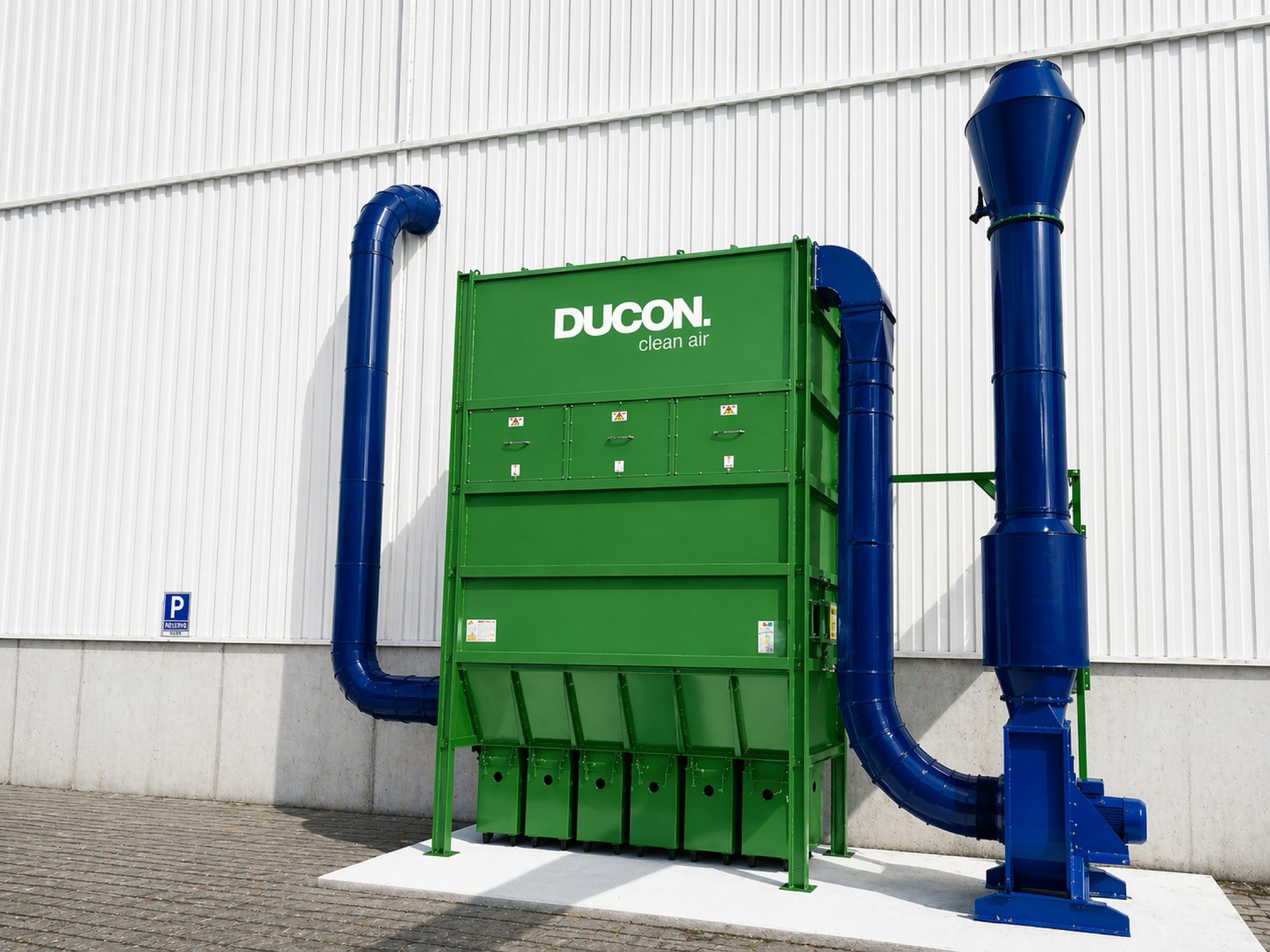
Yes, MDSJ Process designs, manufactures, installs, and commissions SNCR and SCR DeNOx systems in Turkey under the DUCON brand. It has been active in air pollution control systems since 1986.
Which industries use DeNOx systems?
Power plants, cement plants, waste incineration facilities, glass and ceramic furnaces, iron-steel/sinter plants, and chemical-petrochemical process heaters are the main application areas. SNCR, SCR, or a hybrid solution is selected based on the industry and emission limit.
 Türkçe
 English
 العربية
 Deutsch