 Türkçe
 English
 العربية
 Deutsch
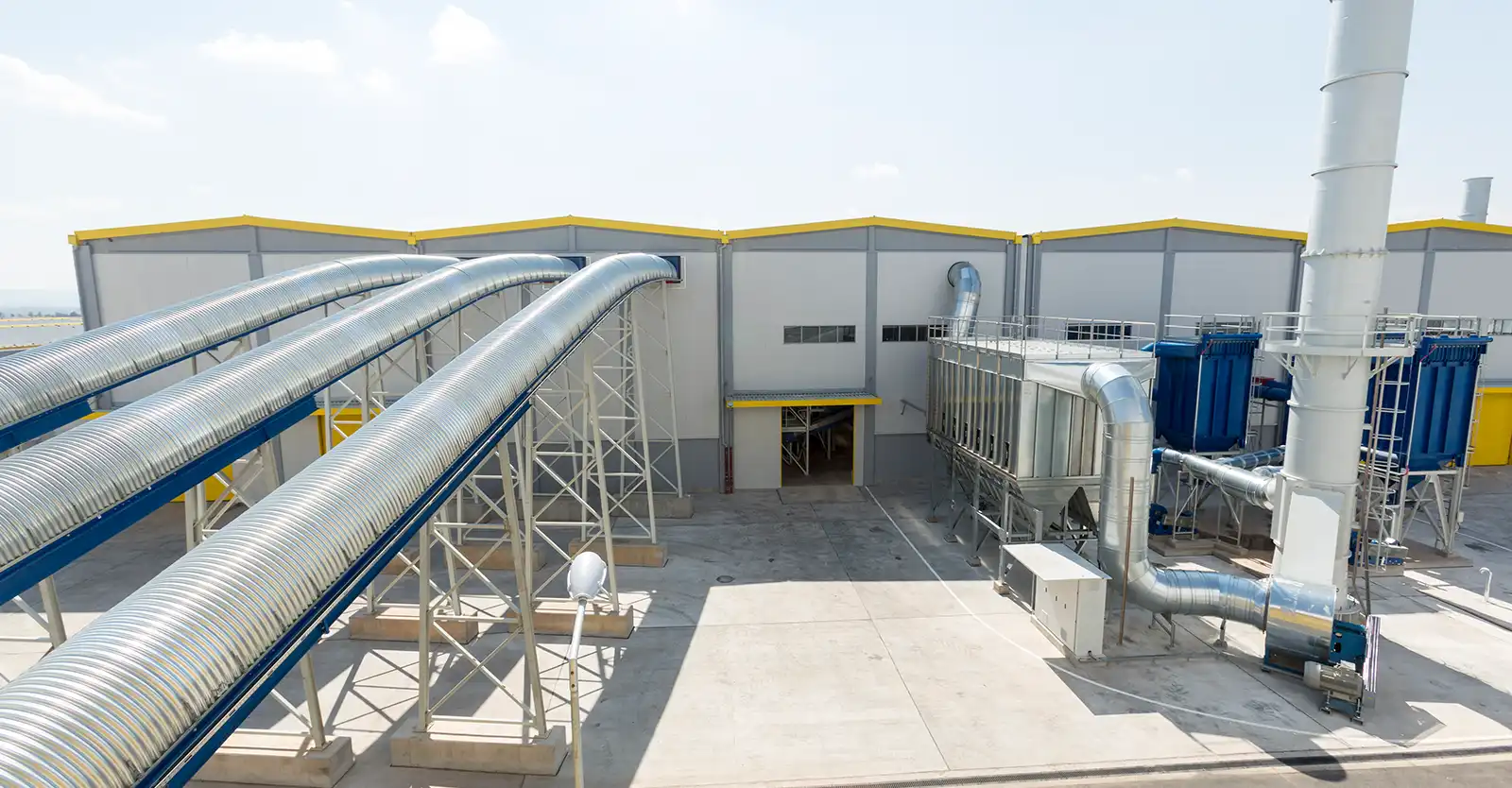
Reducing Energy Use in Baghouse Filters
Industrial baghouse filters are indispensable components in air pollution control, capturing particulate matter across a vast array of manufacturing and processing operations. While critical for environmental compliance and worker safety, their continuous operation, particularly the power required for fans and compressed air for cleaning, represents a significant operational cost. Implementing strategic approaches to energy management within these systems can yield substantial savings without compromising filtration performance or regulatory adherence.
Understanding Energy Consumption in Baghouse Filters
The primary energy consumers in a typical baghouse filter system are:
- Fan Power: The exhaust fan, often the largest electrical load, draws contaminated air through the filter bags. Its power consumption is directly related to the airflow volume and the system's total pressure drop.
- Compressed Air for Pulse-Jet Cleaning: For systems employing pulse-jet cleaning, compressed air is used to dislodge accumulated dust from the filter bags. Inefficient cleaning cycles or leaks in the compressed air system can lead to excessive energy use.
- Auxiliary Systems: While generally smaller, components such as dust discharge conveyors, rotary valves, and heaters (for hot gas applications) also contribute to the overall energy footprint.
Strategies for Optimizing Fan Energy Consumption
The fan's energy consumption is governed by the cube law, meaning a small reduction in fan speed or pressure drop can lead to significant power savings. Therefore, optimizing fan operation and minimizing system resistance are paramount.
1. Proper System Sizing and Design
- Accurate Airflow Calculation: Over-sizing the fan or designing for excessive airflow leads to unnecessary energy consumption. Precise calculation of required airflow based on process needs and regulatory limits is crucial.
- Minimized Pressure Drop: The design of ductwork, inlet plenums, and outlet configurations significantly impacts pressure drop. Smooth transitions, appropriate duct diameters, and minimizing bends reduce resistance. The internal design of the baghouse itself, including tube sheet layout and dust hopper geometry, also plays a role in airflow efficiency.
- Efficient Fan Selection: Choosing the right fan type (e.g., backward-inclined centrifugal fans for higher efficiency in many industrial applications) and ensuring it operates near its peak efficiency point is vital. Fan impeller design, material, and motor efficiency (e.g., IE3 or IE4 motors) contribute to overall system efficiency.
2. Filter Media Selection
The choice of filter media directly influences the system's pressure drop and cleaning frequency. Advanced media can offer a better balance between filtration efficiency and permeability.
- Permeability vs. Efficiency: Selecting media with appropriate permeability for the dust type allows for lower initial pressure drop while maintaining required filtration efficiency.
- Surface Filtration Media: Media with membrane laminates or specialized surface treatments promote dust cake release, reducing residual pressure drop after cleaning and extending cleaning intervals.
- Pleated Bags: In some applications, pleated filter elements can offer a larger filtration area within the same footprint, potentially reducing air-to-cloth ratio and thus pressure drop, or allowing for a smaller overall system.
3. Variable Frequency Drives (VFDs)
VFDs are one of the most effective tools for reducing fan energy consumption.
- Dynamic Airflow Control: VFDs allow the fan speed to be adjusted based on actual process requirements or system pressure drop. Instead of operating at a constant, often maximum, speed, the fan can ramp up or down, matching demand.
- Significant Energy Savings: Due to the cube law, reducing fan speed can lead to substantial energy savings.
- Integration with Controls: VFDs can be integrated with differential pressure monitoring systems to maintain an optimal pressure drop across the filter, ensuring efficient operation and preventing excessive fan power consumption.
Strategies for Optimizing Pulse-Jet Cleaning Energy
The compressed air used for pulse-jet cleaning can be a significant energy cost, especially if the system is not optimized.
1. Optimized Cleaning Cycle Parameters
The goal is to clean the bags only when necessary and with the minimum effective energy.
- Differential Pressure (DP) Monitoring: Implementing a robust differential pressure monitoring system is crucial. Cleaning cycles should be triggered by a high DP setpoint, indicating a need for cleaning, and stopped when a low DP setpoint is reached, preventing over-cleaning. This 'on-demand' cleaning is far more efficient than timed or continuous cleaning.
- Adjusting Pulse Duration and Frequency: Fine-tuning the duration of each air pulse and the frequency of cleaning cycles ensures effective dust removal without wasting compressed air. Too short a pulse may not clean effectively, while too long a pulse wastes air.
- Sequential Cleaning: Ensuring that cleaning occurs in a controlled sequence across rows of bags, allowing the system to recover pressure between pulses, can improve cleaning effectiveness and reduce overall compressed air demand.
2. Nozzle and Manifold Design
- Efficient Air Delivery: The design of the blowpipes, nozzles, and diaphragm valves must ensure that compressed air is delivered efficiently and effectively into the filter bags. Proper alignment and sizing prevent air loss and ensure uniform cleaning.
- Minimizing Compressed Air Waste: Regular inspection for worn nozzles or misaligned blowpipes can prevent inefficient air usage.
3. Compressed Air System Efficiency
The efficiency of the entire compressed air generation and distribution system directly impacts the energy cost of pulse-jet cleaning.
- Leak Detection and Repair: Compressed air leaks are a common and significant source of energy waste. Regular leak surveys and prompt repairs are essential.
- Optimizing Compressor Operation: Ensuring compressors are properly sized for demand, operating efficiently, and regularly maintained (e.g., air dryer efficiency, filter changes) reduces overall energy consumption.
- Air Quality: Supplying clean, dry compressed air prevents issues like solenoid valve sticking or corrosion, which can lead to continuous air bleed and wasted energy.
Operational and Maintenance Considerations
Consistent operation and proactive maintenance are fundamental to sustaining energy efficiency over the lifespan of a baghouse filter system.
- Regular Differential Pressure Monitoring: Beyond triggering cleaning cycles, continuous DP monitoring provides valuable insights into system health. A sudden increase can indicate blinding, while a consistent high DP after cleaning suggests issues with the bags or cleaning system.
- Preventative Maintenance Program:
- Bag Inspection and Replacement: Regularly inspect filter bags for blinding, tears, or premature wear. Replacing damaged bags promptly prevents dust bypass and maintains system efficiency.
- Solenoid and Diaphragm Valve Checks: Ensure all valves in the pulse-jet cleaning system are functioning correctly, opening and closing fully without sticking or leaking.
- Fan Maintenance: Regular inspection of fan bearings, impellers, and motor alignment ensures optimal performance and prevents energy losses due to friction or imbalance.
- Ductwork Integrity: Inspect ductwork for leaks or blockages that could affect airflow and pressure drop.
- Dust Load Management: Where feasible, incorporating pre-separators like cyclones can reduce the dust load entering the baghouse, extending bag life, reducing cleaning frequency, and lowering overall pressure drop.
- Temperature and Moisture Control: Maintaining process gas temperatures above the dew point prevents condensation, which can lead to bag blinding and increased pressure drop. For hot gas applications, proper insulation and heating elements (if required) should be optimized.
Industry-Specific Applications and Benefits
The principles of energy optimization in baghouse filters apply across diverse industries, each with unique challenges and opportunities for savings.
- Cement Industry: Baghouse filters are critical for capturing dust from kilns, clinker coolers, and raw mills. Given the high dust loads and often high temperatures, optimized fan operation through VFDs and efficient pulse-jet cleaning based on DP monitoring are crucial for managing the substantial energy demands of these large-scale systems. The selection of robust, high-performance filter media that resists blinding is also key to maintaining low pressure drops.
- Steel Industry: In electric arc furnaces, blast furnaces, and rolling mills, baghouses handle abrasive dust and high temperatures. Energy efficiency here relies on durable filter media, precise cleaning control to prevent bag damage from over-cleaning, and powerful, yet efficient, fan systems designed to handle large volumes of hot, dusty gas. Reducing energy consumption directly impacts the operational competitiveness of these energy-intensive processes.
- Chemical Processing: Various chemical processes generate fine powders and can involve corrosive or sticky dusts. The careful selection of chemical-resistant filter media, coupled with highly responsive differential pressure-controlled cleaning systems, ensures both effective filtration and minimized energy use. Preventing premature bag wear and maintaining consistent pressure drop are vital for process stability and cost control.
Frequently Asked Questions (FAQ)
Q1: What is the primary factor influencing energy consumption in a baghouse filter?
The exhaust fan, responsible for drawing air through the system and overcoming pressure drop, is typically the largest energy consumer in a baghouse filter system.
Q2: How does differential pressure monitoring contribute to energy savings?
Differential pressure monitoring allows for 'on-demand' pulse-jet cleaning. By triggering cleaning only when the pressure drop across the bags reaches a setpoint, it prevents unnecessary and energy-intensive cleaning cycles, thus saving compressed air and extending bag life.
Q3: Can older baghouse systems be upgraded for better energy efficiency?
Yes, many older baghouse systems can be significantly upgraded. Common improvements include installing Variable Frequency Drives (VFDs) on fans, upgrading to more efficient filter media, implementing or enhancing differential pressure-based cleaning controls, and optimizing compressed air systems.
Conclusion
Achieving significant energy cost reductions in industrial baghouse filter systems requires a comprehensive and integrated approach. From initial system design and component selection to ongoing operational optimization and rigorous preventative maintenance, every aspect contributes to overall efficiency. By focusing on minimizing pressure drop, optimizing fan operation with VFDs, and implementing intelligent, demand-driven pulse-jet cleaning, industrial facilities can realize substantial energy savings while maintaining peak air pollution control performance.
For further information on optimizing industrial air pollution control systems and reducing operational costs, consider seeking a technical consultation or requesting a quotation for relevant systems.