 Türkçe
 English
 العربية
 Deutsch
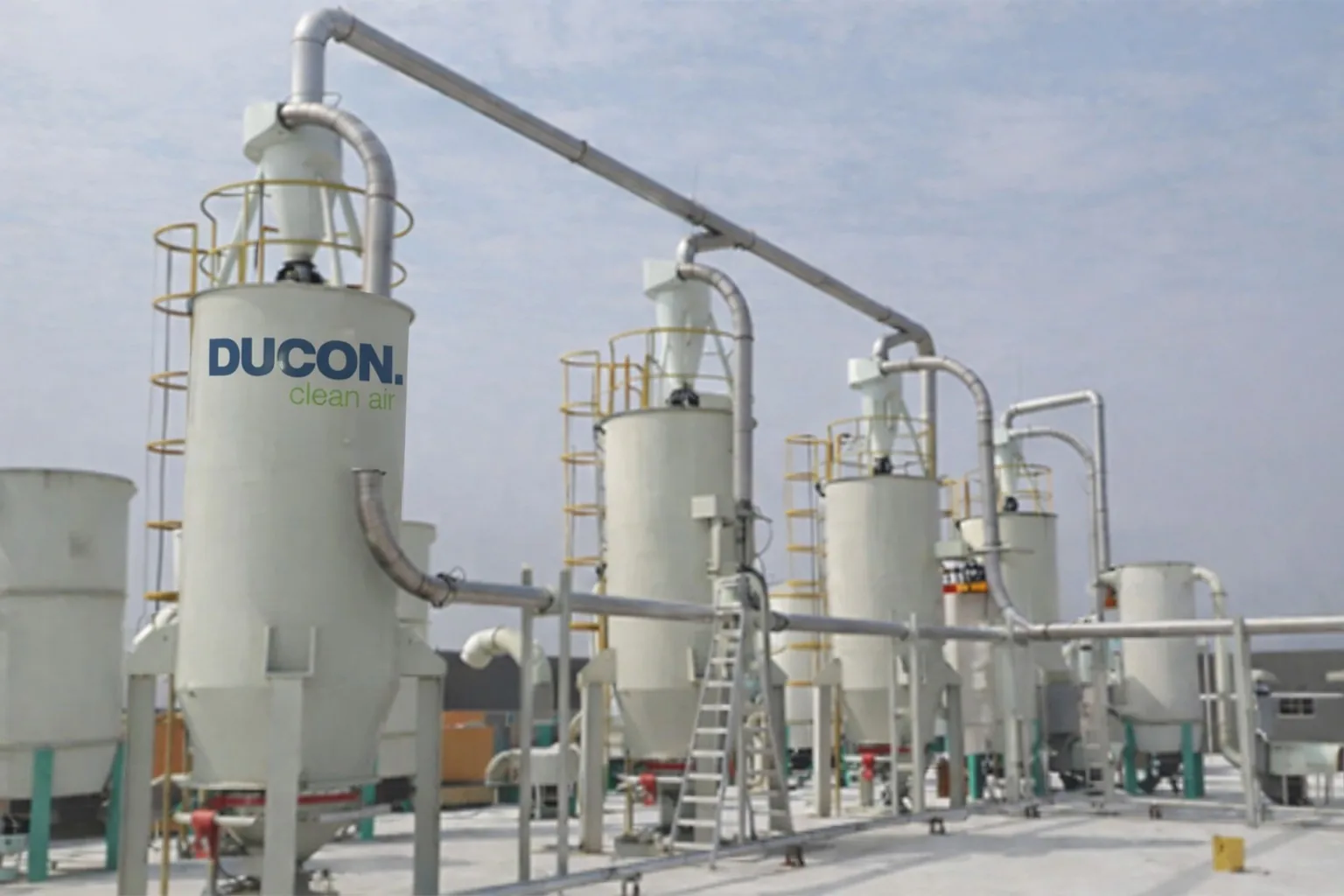
Powder and bulk material transfer
Pneumatic conveying system for powder and bulk material handling
Send project details and get an engineering pre-assessment
We engineer pneumatic conveying systems, dilute phase conveying, dense phase conveying, vacuum conveyors and pressure conveying lines for powders, granules and bulk materials based on material behavior, capacity, route length and plant layout. Before a purchasing decision, we clarify the applicable solution path from flow rate, dust/gas type, temperature, capacity and industry data.
+90 212 356 78 70 · +90 555 802 30 04 · info@mdsjprocess.com
First technical response is targeted within 24 business hours; phone/WhatsApp is faster for urgent downtime or site issues.
- Focus
- Pneumatic conveying
- Phase
- Dilute / dense phase
- Material
- Powder and granules
Proof before decision
Discuss with site photos, sketches and industry criteria
The point of this page is not to show a catalogue; it is to quickly find the application logic closest to your plant problem.
Comparable application logic
The likely solution family is narrowed by industry, airflow and process type.
Site photo / drawing review
If photos or drawings are shared, layout, ducting, fan and equipment scope can be read faster.
Existing system evaluation
Airflow, dust leakage, pressure drop, bag life or emission problems are checked for retrofit potential.
Industry-specific criteria
Cement, metal, food, chemical, mining and energy processes should not use one generic quote template.
For paid-search visitors
We start from the process problem, not only the product name
A correct industrial dust or gas treatment quote comes from reading equipment type, site conditions, target limits and the current problem together.
Dust leakage / stack dust
Filtration area, bag selection, fan duty and duct losses are reviewed together.
Low suction / airflow
Extraction points, duct routing, pressure loss and fan operating point are separated.
Gas / odor removal
Gas composition, temperature, liquid chemistry and target removal define scrubber type.
Capacity increase
The first decision is whether retrofit or a new system is the right path.
Technical RFQ checklist
What is enough for an engineering pre-assessment?
You can still submit the form if you do not know all of these. If 2-3 are available, the first technical direction is more accurate.
Ad relevance
Search intent this page answers
Pneumatic conveying searches usually start with material, capacity and distance. This page clarifies the technical decisions before pricing.
When this solution fits
Powder, granules or bulk materials must be transferred in a closed pipeline
Capacity, route length and elevation difference must be calculated together
Hygiene and cleanability matter in food, chemical, mineral or plastic processes
A closed and flexible alternative to mechanical conveying is needed
Initial data needed for a correct offer
Material name, bulk density, particle size and flow behavior
Hourly capacity, conveying distance and elevation difference
Feeding and discharge points, silo or hopper information
Moisture, abrasiveness, friability and explosion risk
Typical system scope
In pneumatic conveying, the same capacity can require very different equipment for different materials. Material behavior, conveying distance and pressure drop must be reviewed before a reliable price exists.
Dilute phase, dense phase, vacuum or pressure pneumatic conveying selection
Blower/compressor, rotary valve, diverter valve and filter integration
Pipe diameter, route layout, automation and control sequence
Installation, commissioning and operatör documentation
Application fit
Industries and applications
Why direct contact works better than a form
Cement, lime, minerals and mining powders
Food, sugar, flour, starch and hygienic processes
Chemical, plastic, pharmaceutical and additive materials
Energy, ash, waste and bulk material handling lines
FAQ
What is the difference between dense phase and dilute phase? +
Dilute phase uses higher conveying velocity and lower material concentration. Dense phase uses lower velocity and higher material concentration, often helping with fragile or abrasive materials.
What defines pneumatic conveying price? +
Material properties, capacity, route length, elevation difference, equipment scope, automation and site installation conditions define the price.
Is this for hospital pneumatic tube systems? +
No. This page is for industrial bulk material handling and powder transfer, not document or capsule transport in hospitals.
Can an existing conveying line be upgraded? +
Yes. Existing blower, pipe diameter, filter, rotary valve and pressure drop can be reviewed for capacity increase or line revision.