
Skip to content
DeSOx

DeSOx

DeSOx Desulphurization Double Alkaline Desulfurization It uses sodium-based desulfurizer for desulfurization in the tower. Due to the strong alkalinity of sodium-based desulfurizer, the solubility of the reaction product...

Call Directly

Fast project discussion

Talk to the technical team without waiting for a form

Share capacity, material, temperature, process, and site constraints by phone or email; the team can respond with clear technical next steps.

DeSOx

Dry Collection

DUCON

Product Gallery

DeSOx

3 images
DeSOx
DeSOx
DeSOx

DeSOx Desulphurization

Double Alkaline Desulfurization

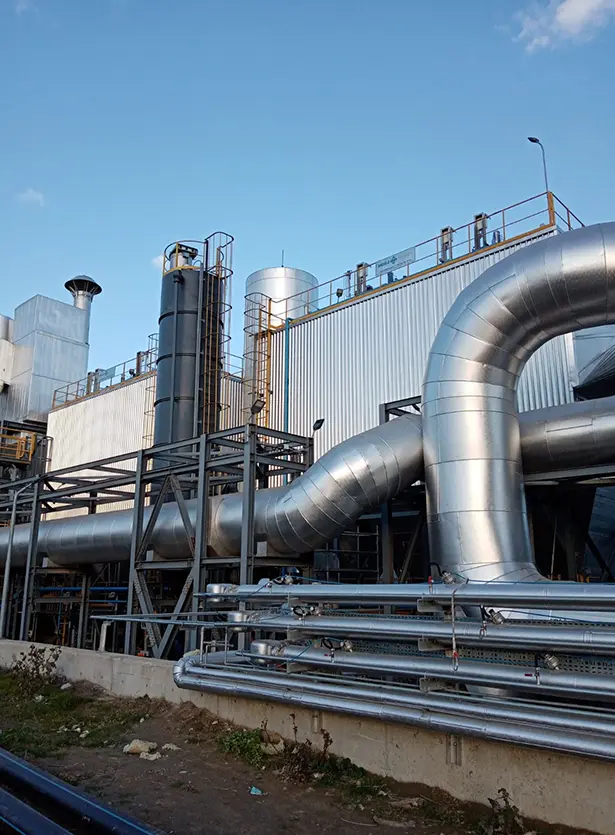
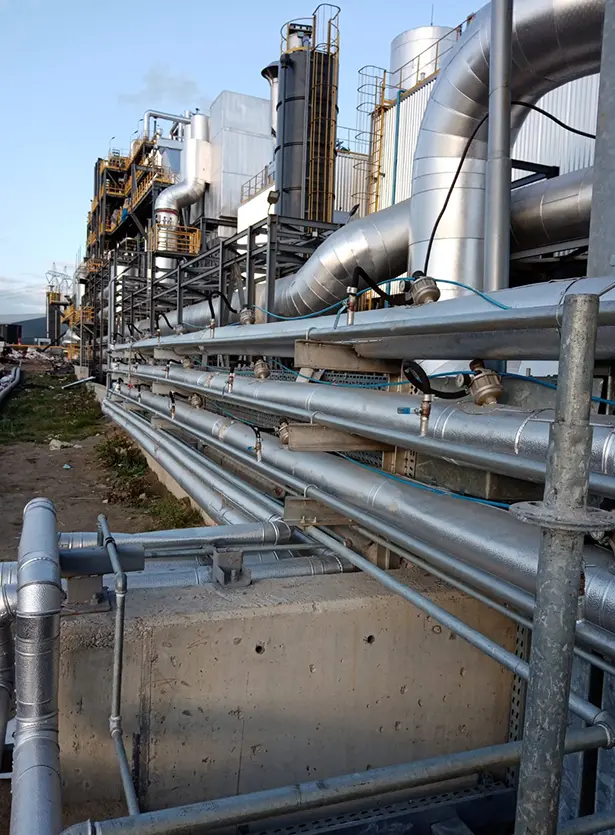
It uses sodium-based desulfurizer for desulfurization in the tower. Due to the strong alkalinity of sodium-based desulfurizer, the solubility of the reaction products after absorption of sulfur dioxide SO2 is quite high, which will not cause supersaturated crystallization and will not cause clogging problems. On the other hand, the desulfurizer products are discharged into the regeneration tank for regeneration with calcium hydroxide, and the regenerated sodium-based desulfurizer is recycled to be used in the desulfurizer again.
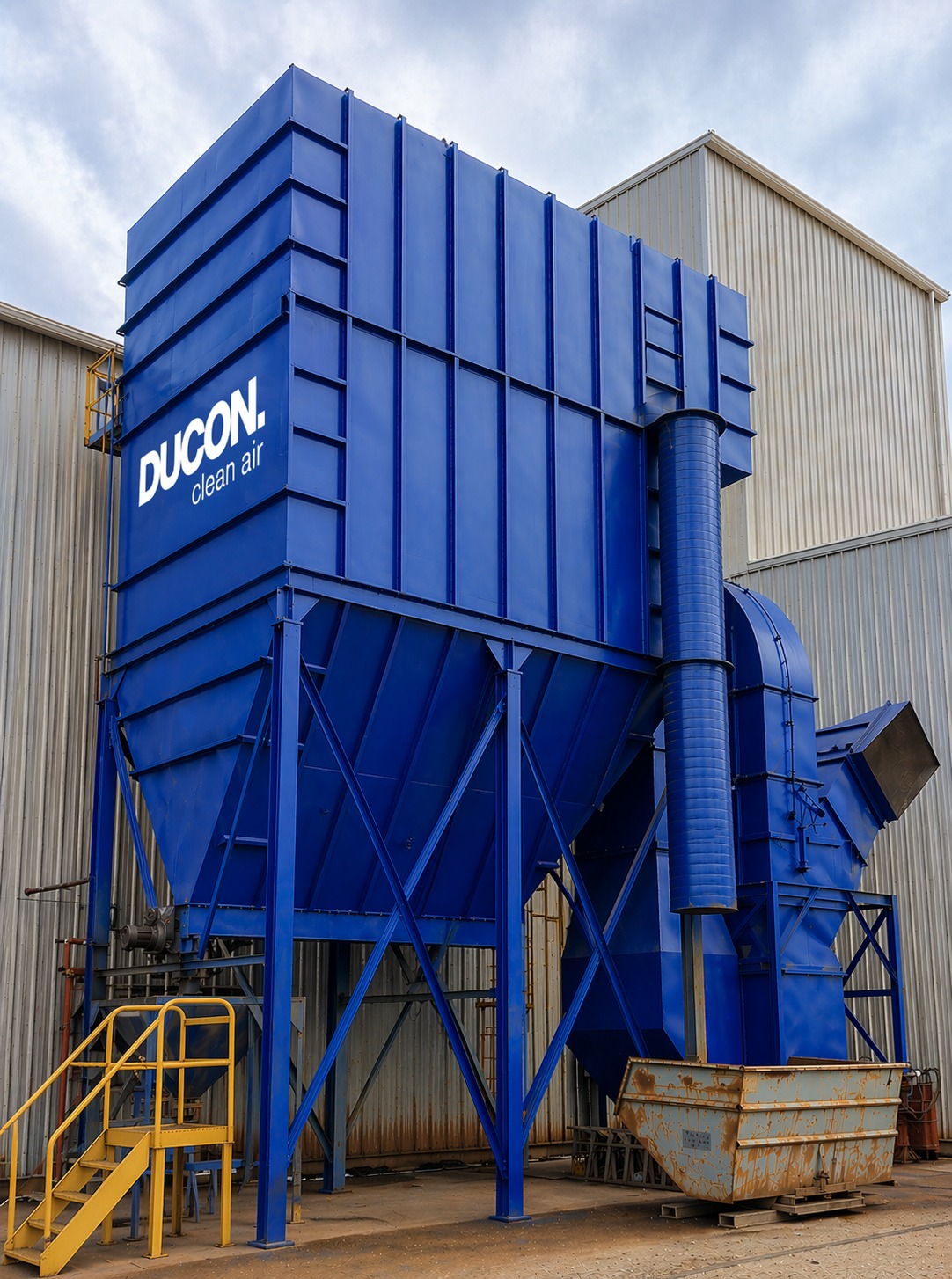
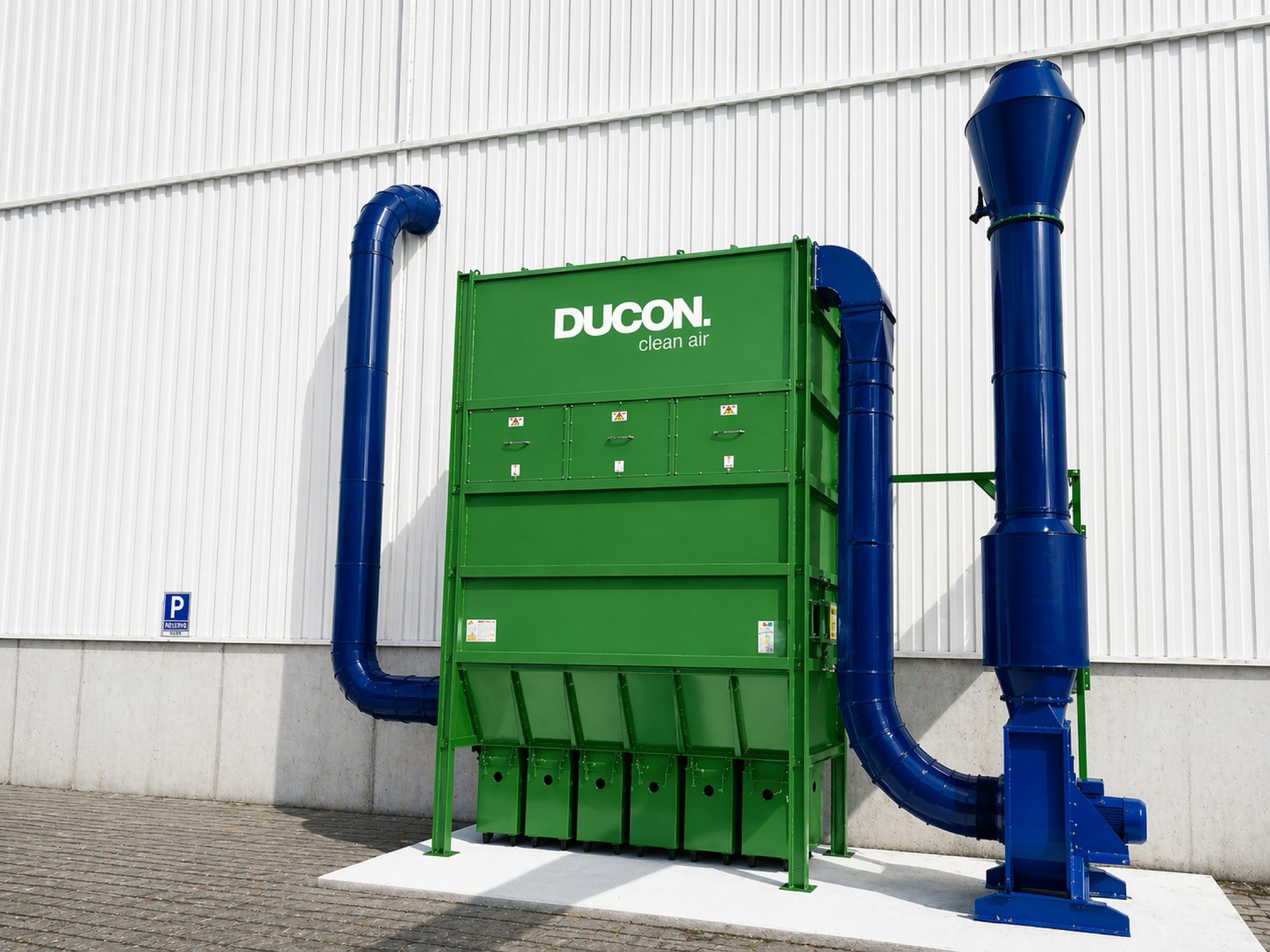
Semi-Dry Desulfurization

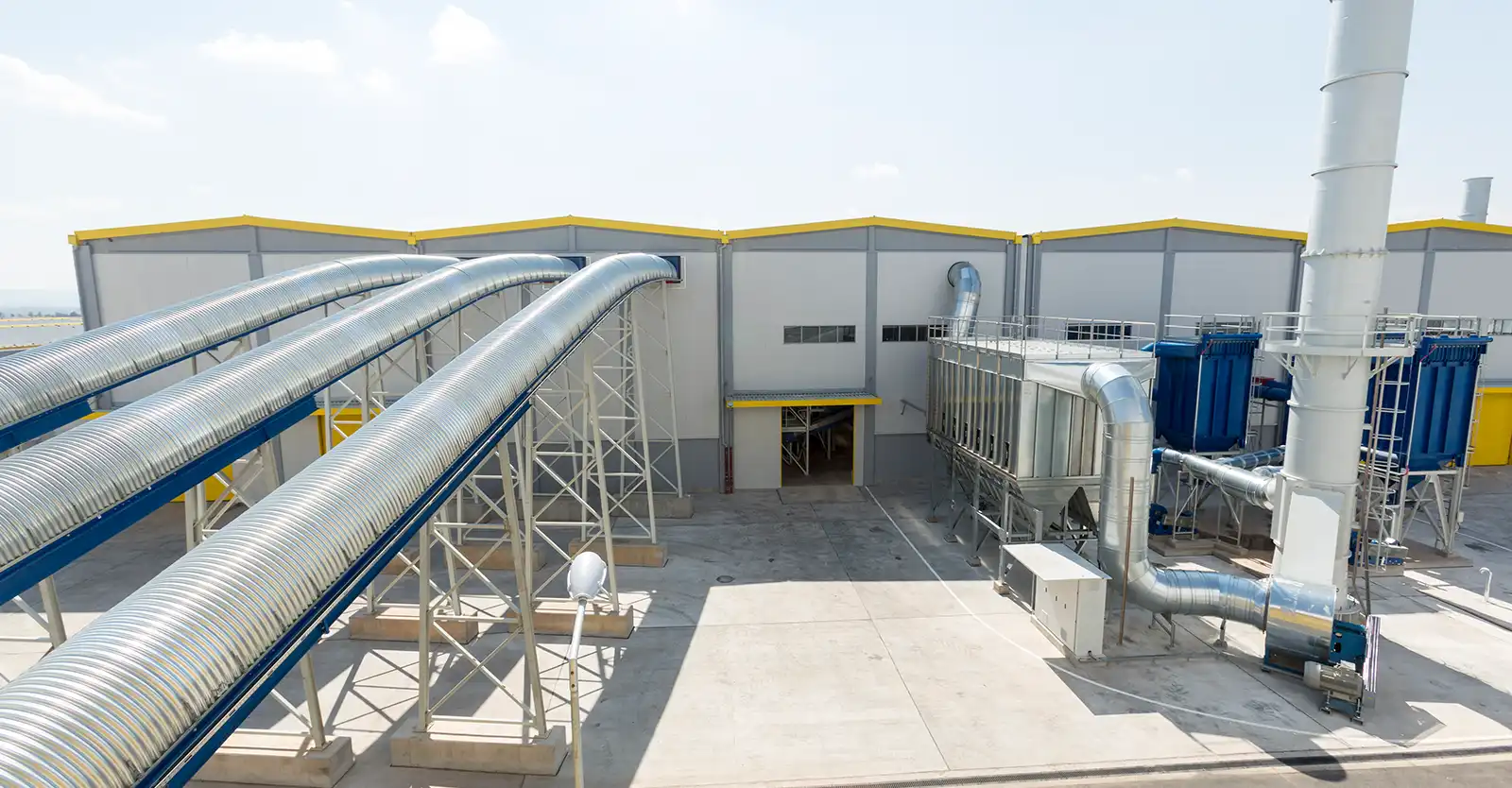
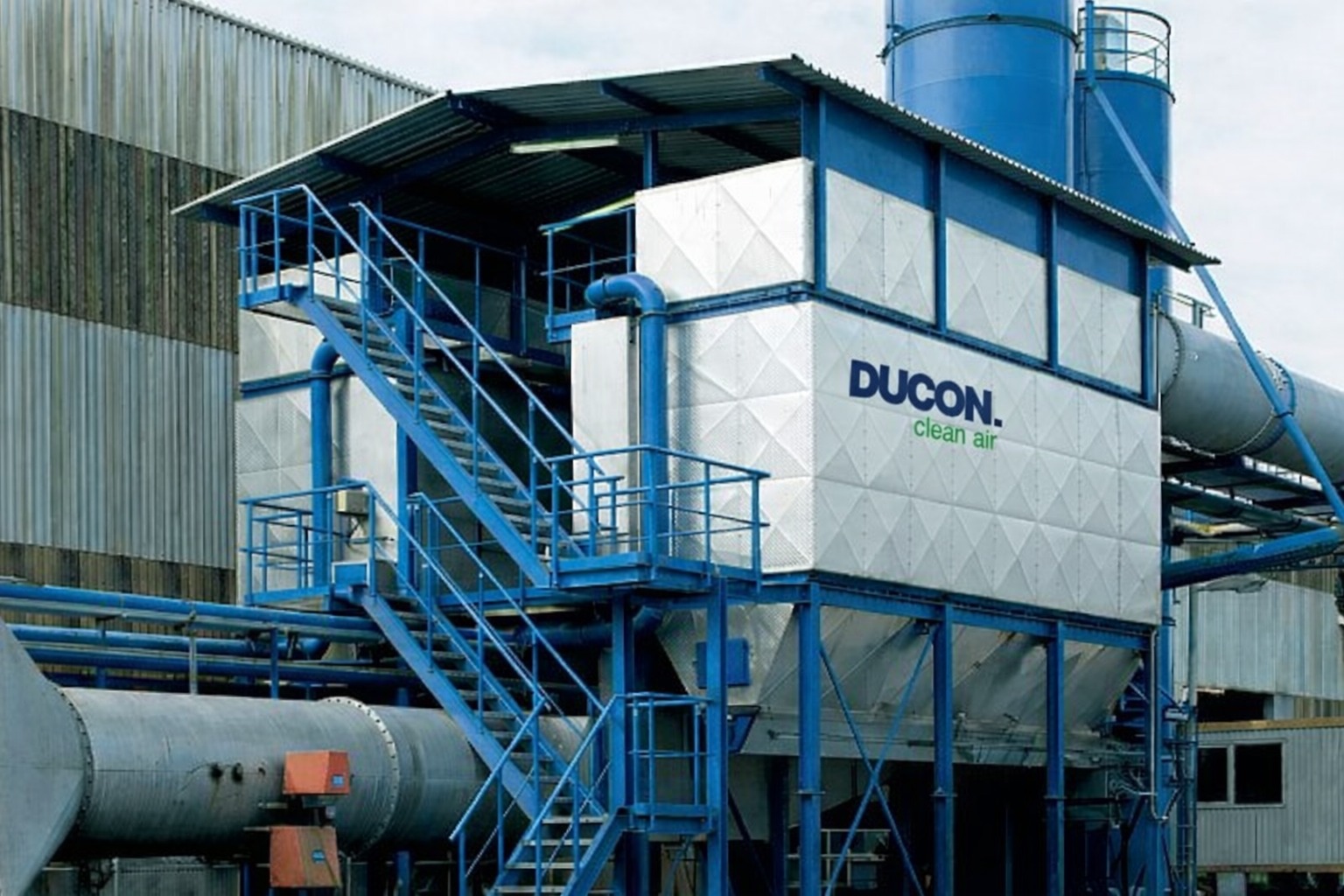
MDSJ dry technology is a simple, low investment cost, high-performance desulfurization system that occupies a small area and is easy to operate. The dry desulfurization process uses the sensible heat in the flue gas to evaporate the wet desulfurization chemical semi-wet substance water. In the drying process, the desulfurizer reacts with the sulfur dioxide in the flue gas to form dry powder products. In order to improve the efficiency of desulfurization, lime powder pulp is used as the desulfurization agent. The desulfurized slag is a kind of free-flowing dry powder mixture that has no secondary pollution and can be used later. The process is mainly used for the desulfurization of flue gas of power plant boilers. The flue gas treatment capacity of single tower, the SO2 removal rate can reach 89%-97%. MDSJ Clean Air Technology is a method with the single tower processing capacity of semi-dry desulfurization and the most superior comprehensive desulfurization advantage among dry and semi-dry desulfurization technologies.


Applications

  • All businesses with high sulphur emissions

  • Solid waste incineration plants

  • Coal boilers

What is DSI?

  • Dry Sorbent Injection (DSI) is a modern technology used to remove acid pollutants (SO2, HCl, HF) from flue gas.
  • A powdered reactive material is injected directly into the flue-gas stream.
  • It stands out for its low capital cost and ease of installation.

How the system works

  • 1. Storage — Sorbents (trona or sodium bicarbonate) are kept in dedicated sealed silos.
  • 2. Injection — Precision dosing units distribute the material into the gas duct homogeneously.
  • 3. Filtration — Solid particles formed after the reaction are captured in the bag filter and removed from the system.

Why DSI? Advantages

  • Cost: Much lower capital expenditure compared to wet scrubbers.
  • Footprint: Compact design integrates easily with existing plants.
  • Water use: Fully dry process — no water consumption or wastewater treatment.
  • Flexibility: Real-time dosing adjustment to keep pace with variable emission limits.

Application areas

  • Thermal power plants (coal and biomass).
  • Waste-incineration facilities.
  • Glass and ceramics factories.
  • Cement and lime production plants.
  • Iron-steel and metallurgy facilities.

Technical note

  • For removal efficiencies above 95%, in-line milling systems that increase the sorbent's active surface area can be integrated into our solutions.

Frequently Asked Questions

What is the main difference between DSI and a wet scrubber?

DSI uses a dry reagent and the reaction product is captured in the existing bag filter, whereas a wet scrubber uses liquid reagent in a scrubbing tower and generates wastewater.

Is DSI compatible with my existing bag filter?

Yes — DSI is typically integrated upstream of the existing bag filter; the filtration area and pressure-drop margin should be re-checked.

Which sorbent should be used?

Sodium bicarbonate or trona usually performs best for SO2-driven emissions; hydrated lime is typical for HCl/HF-driven emissions.

Quick Info

Neutralizes acid pollutants (SO2, HCl, HF) directly in the gas phase
Significantly lower initial investment than wet scrubbers
Fully dry process — no water consumption or wastewater treatment needed

HTML Engineering Resources

Jump to the application page, reference project, and industry series without waiting for a PDF.

Discuss the Project Directly

Share product, capacity, and process details without filling out a form first.

Call Directly Send Email Open the quote form if preferred

Embed This Product

Copy the code below and paste it into your website.

Start a project discussion for this product

Reach the team directly by phone or email; the form is optional.

Call Email