What is pneumatic conveying?
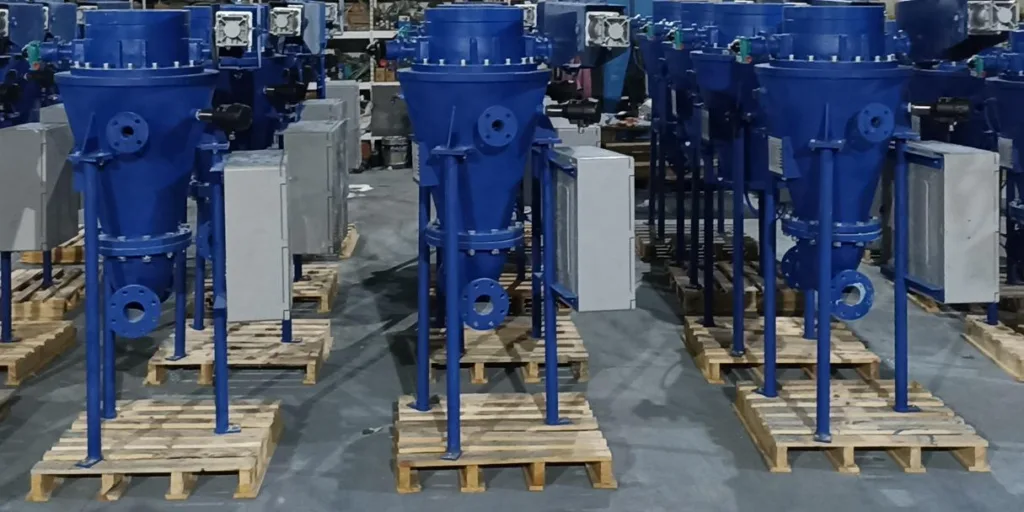
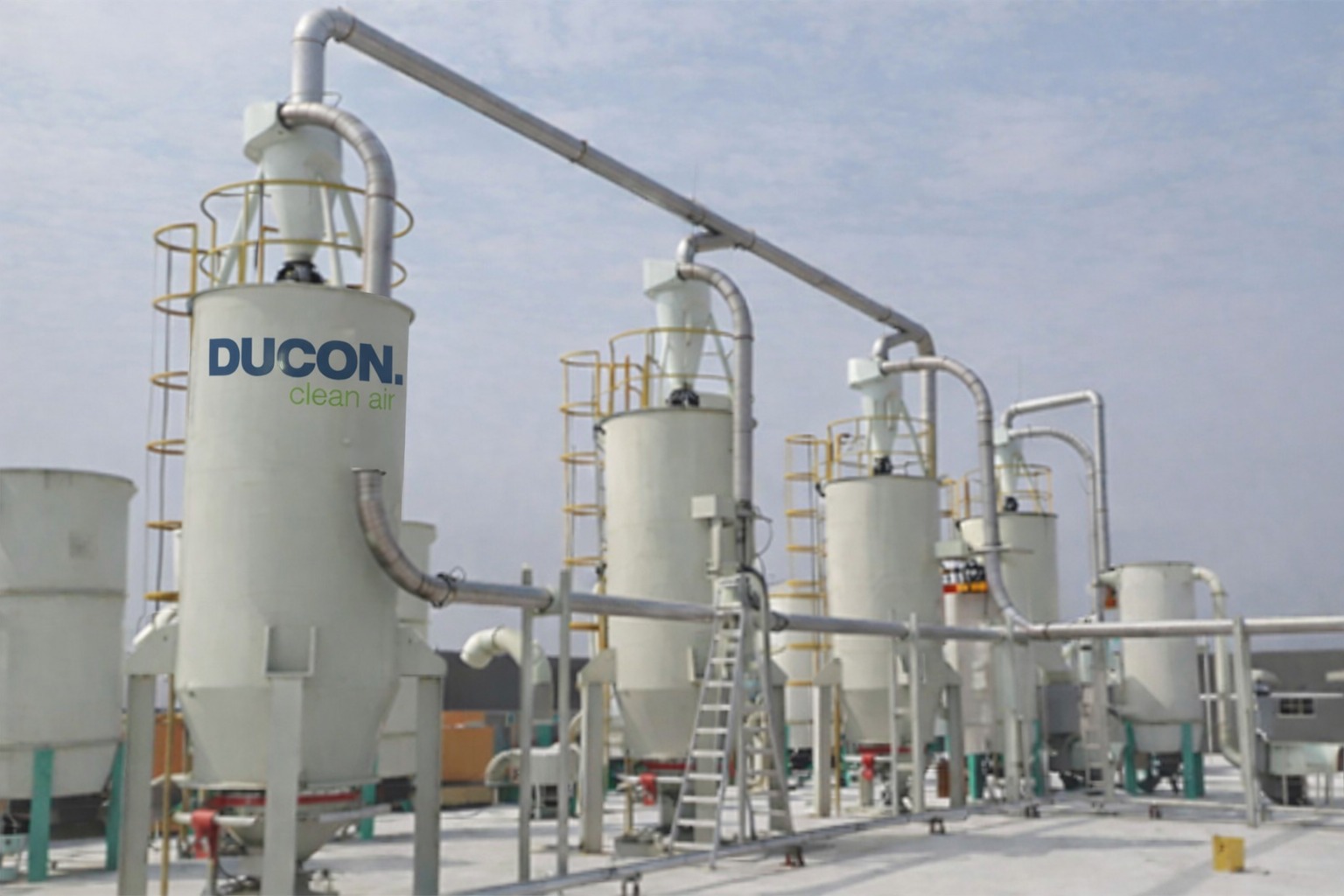
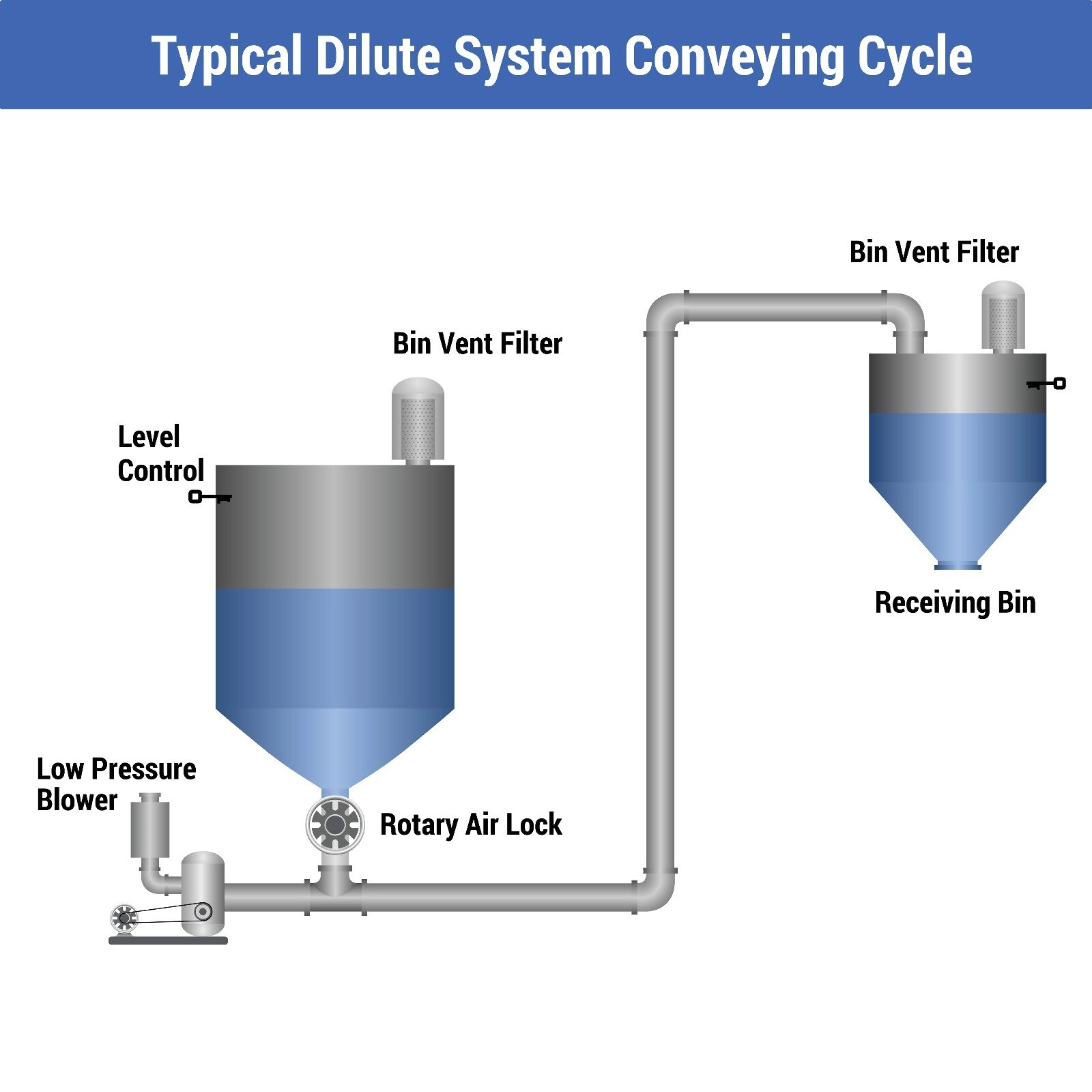
Pneumatic conveying is an industrial system that transports dust, granules, or powder materials inside a closed pipeline using pressurized air flow. It is a closed, hygienic, flexible alternative to mechanical conveyors.
What is the difference between dense phase and dilute phase?
Dense phase runs at low velocity (3-8 m/s) with high material/air ratio - ideal for abrasive and fragile materials, low energy. Dilute phase runs at high velocity (18-30 m/s) with low material/air ratio - for free-flowing materials, simpler equipment.
Which industries use pneumatic conveying?
Cement, iron-steel, power plant (ash), food (flour, sugar, feed), chemical, plastic (PVC/PE/PP granule), glass, ceramic, mining, pharma, and cosmetic.
What is the capacity range?
DUCON pneumatic conveying systems range from 1 ton/hour to 200 tons/hour on single line, up to 500 tons/h with parallel lines.
What is the distance limit?
Standard 10-500 m horizontal, up to 100 m vertical. With dense-phase architecture, combined routes can reach 800 m total.
Can abrasive materials be pneumatically conveyed?
Yes — with dense-phase design and ceramic/basalt-lined pipe and bends, abrasive materials like alumina, silica sand, and iron ore can be transported safely.
Which system is best for ash transfer?
For power plant ash transfer, DUCON Denseveyor (dense phase) and Ashveyor systems are used. They are the standard solution for both fly ash and bottom ash silo transfer.
Is ATEX required for pneumatic conveying?
In lines with explosive dust (flour, sugar, aluminum, magnesium, organic) ATEX zone classification and compliant equipment are mandatory. DUCON systems are optionally ATEX certified.
What is the energy consumption?
Typical consumption is 1-3 kWh/ton (dense phase) and 2-5 kWh/ton (dilute phase). Varies with distance, pressure, and material properties.
Which materials are not suitable for pneumatic conveying?
Sticky, moist, very large (>50 mm), or strongly agglomerating materials are not suitable. Mechanical conveyors or screw feeders are better for these cases.
Who manufactures pneumatic conveying systems in Turkey?
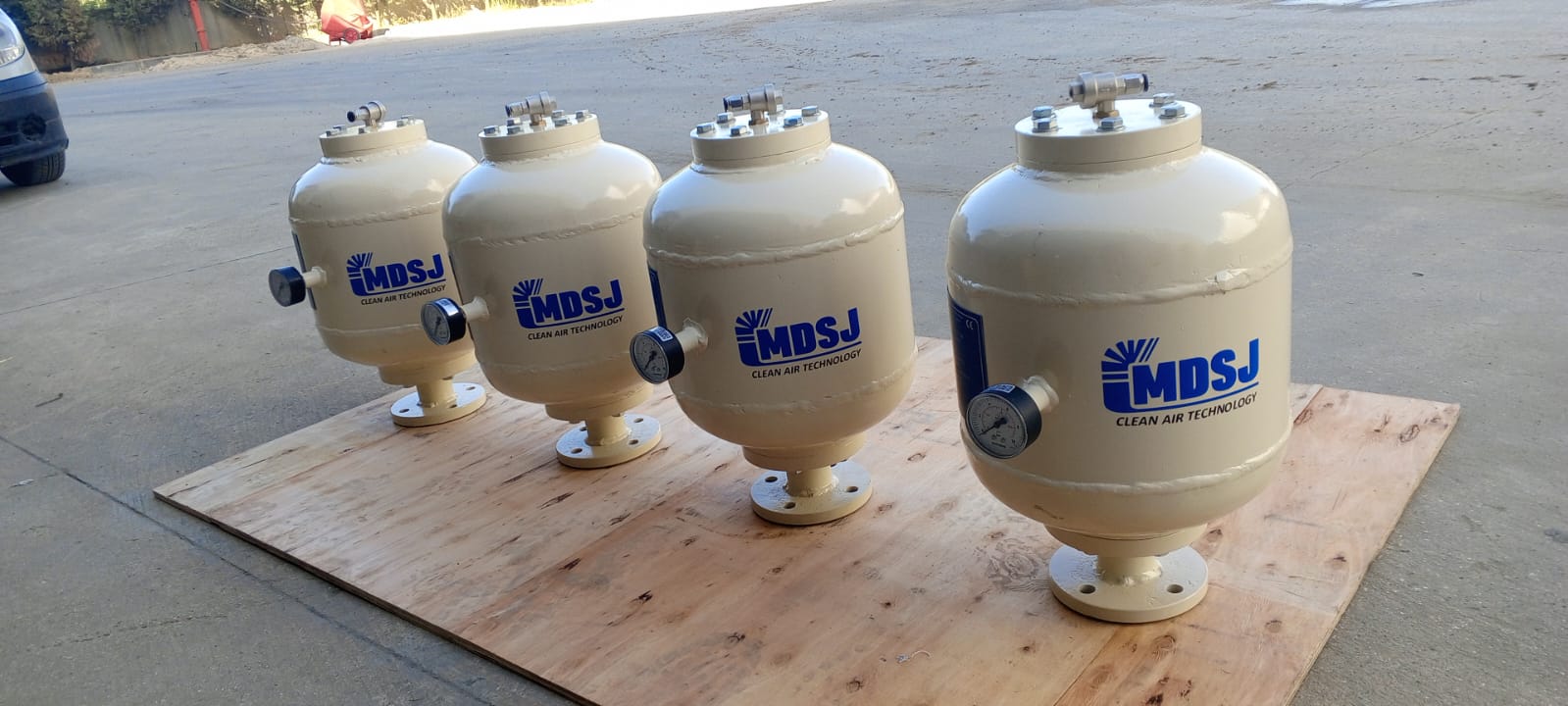
MDSJ Process designs, manufactures, installs, and commissions industrial pneumatic conveying systems (Dense Phase, Dilute Phase, Denseveyor, Ashveyor) in Turkey under the DUCON brand (MDSJ owns the DUCON trademark rights for Europe, Asia, and Turkey). Active since 1986.
How long does installation take?
Standard project: design + manufacturing 10-14 weeks, site installation 3-6 weeks (depending on line length), commissioning 1-2 weeks. Total typical project 4-6 months.
 Türkçe
 English
 العربية
 Deutsch