
Skip to content
Biogas Desulfurization

Biogas Desulfurization

Biogas Desulfurization reduces H2S load in biogas lines to improve equipment life and overall process reliability.

Contact Us

Biogas Desulfurization

Wet Collection

DUCON

Product Gallery

Biogas Desulfurization

2 images
Biogas Desulfurization

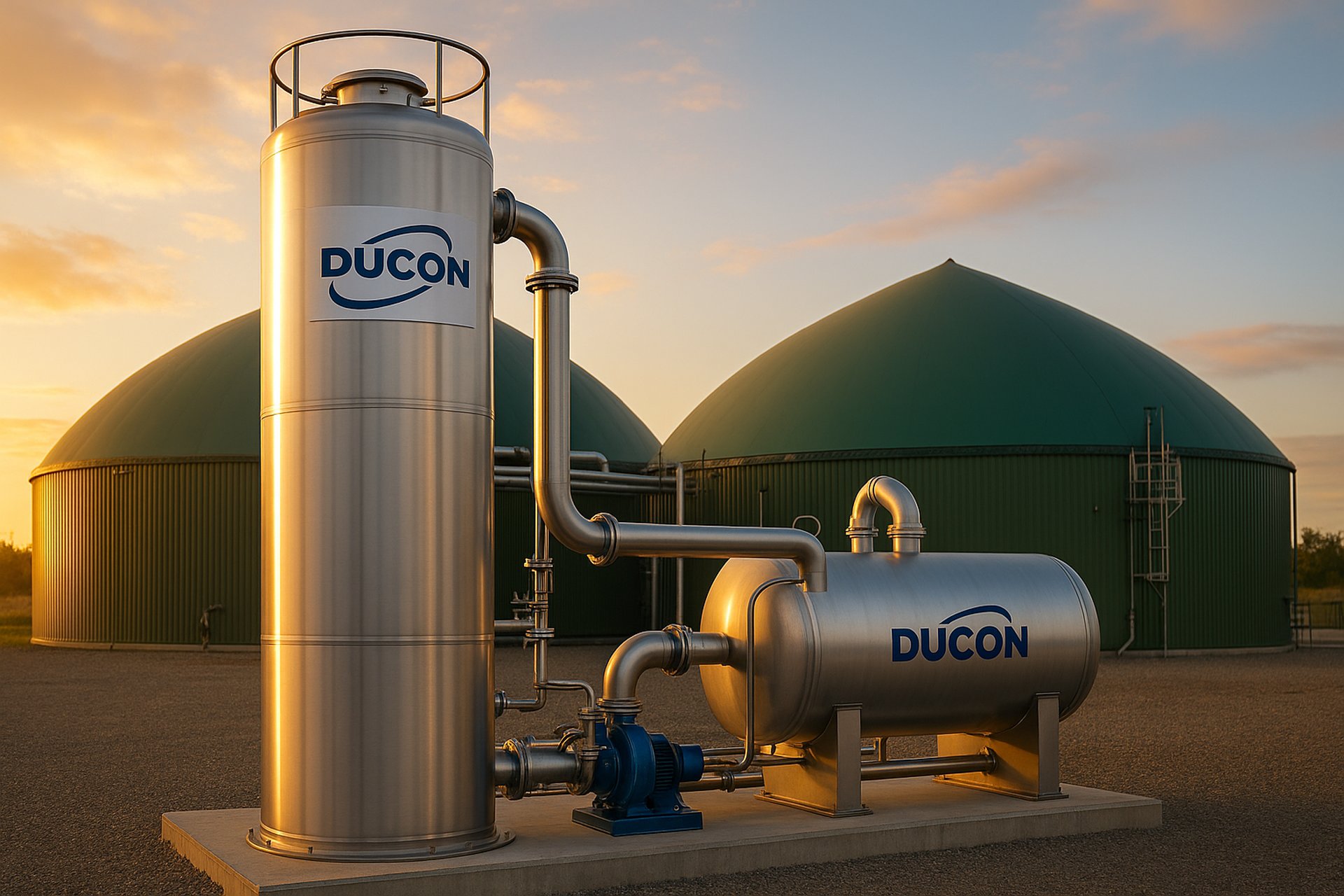
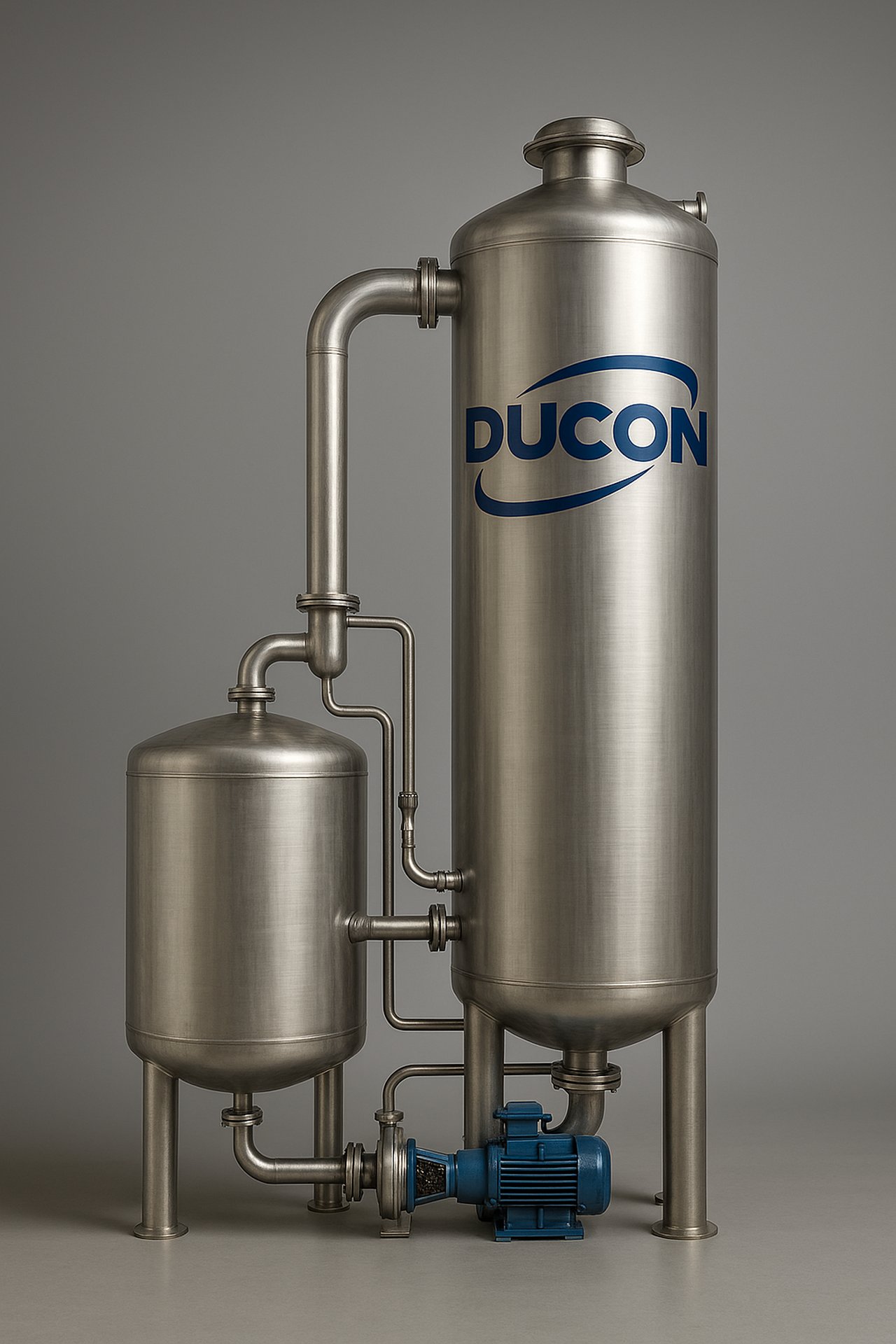
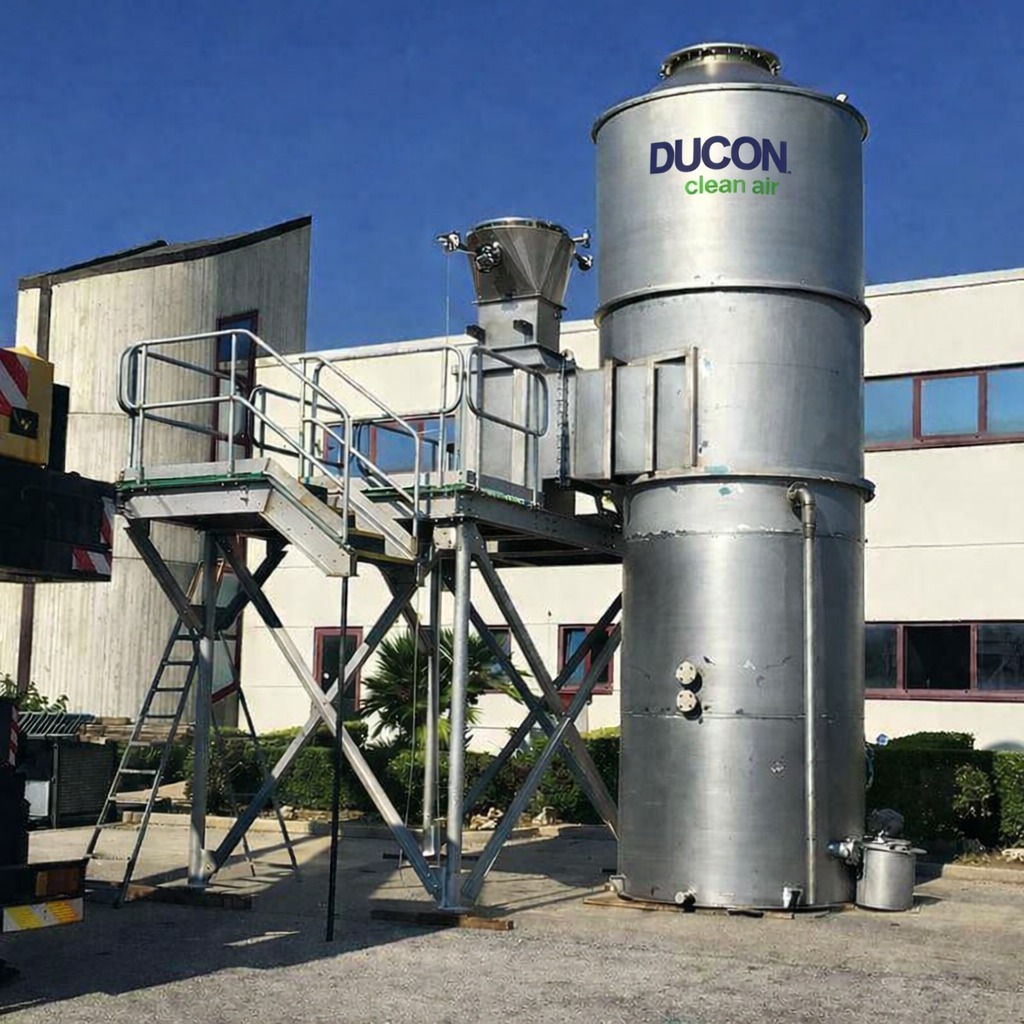
DUCON® Biogas Purification System

DUCON® is a cost-effective and sustainable biogas purification system that meets your quality requirements. It delivers very high H₂S removal efficiency; ≤ 50 ppm H₂S in the treated gas is routinely achieved whether the inlet concentration is 1 ppm or 2,000 ppm. Thanks to its wide turndown ratio (load flexibility), the system easily handles large fluctuations in gas flow.

Because the process does not add air or oxygen to the biogas, the calorific value is not diluted. The treated gas can be fed directly to a gas engine or boiler. With negligible methane slip, DUCON® is also an ideal solution for projects that upgrade biogas to biomethane / Renewable Natural Gas (RNG).

As a biogas upgrading/gas cleaning system, DUCON® combines high efficiency, proven reliability, and a low total cost of ownership, demonstrated at numerous installations worldwide. It maximizes the value of your biogas while enhancing plant sustainability through biological sulfur recovery.

System Advantages

  • High-performance H₂S removal: ≤ 50 ppm in the treated gas (routine).

  • Broad load flexibility: Handles large flow variations without issue.

  • High uptime and reliability.

  • Gas quality preserved: No air addition; calorific value remains intact.

  • Low chemical consumption with no hazardous by-products.

  • Valuable by-product: Recovered sulfur can be used to produce high-quality organic fertilizer.

  • Proven technology: 35+ years of operational experience with continuous innovation.

Broad Applicability

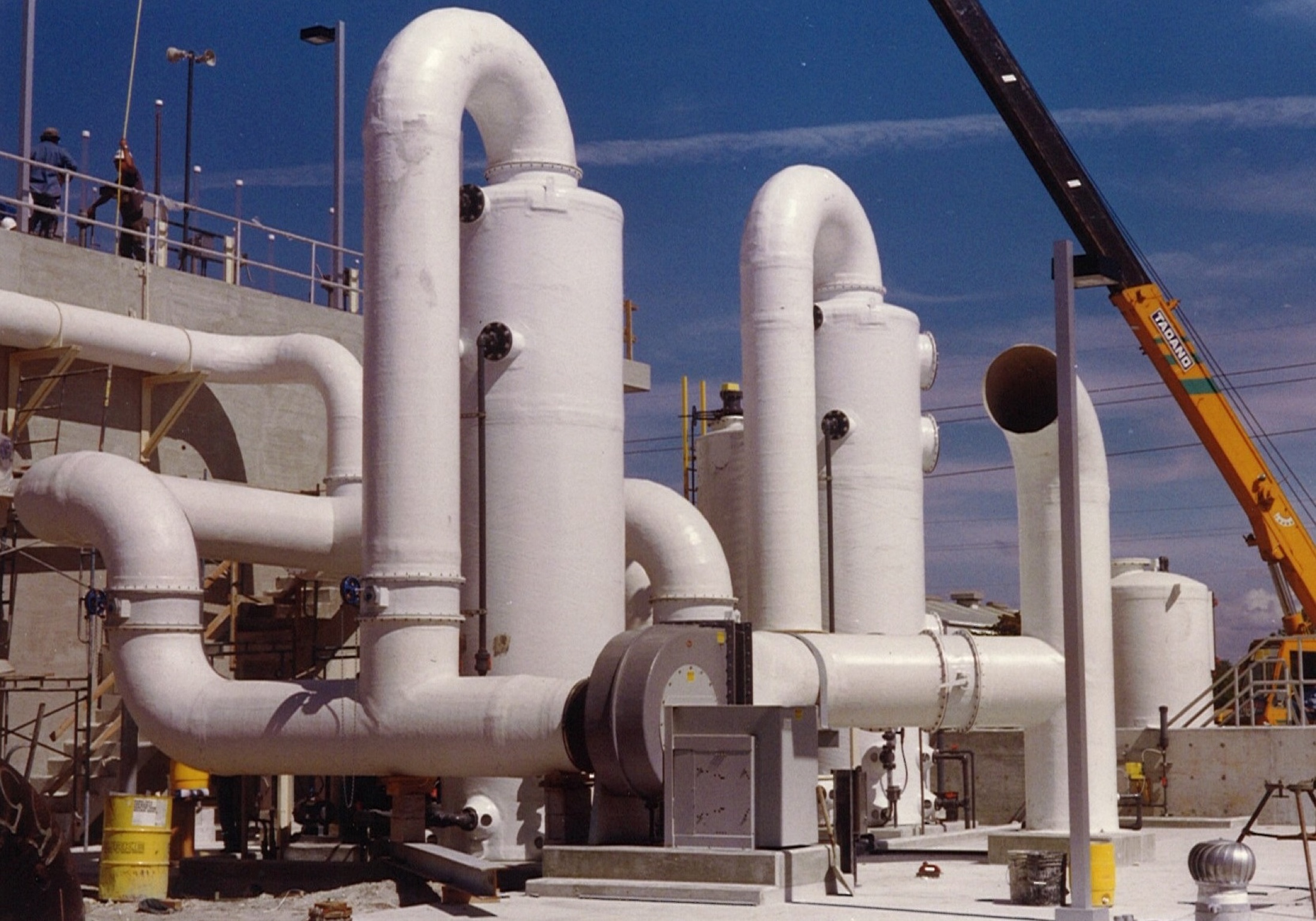
DUCON® can purify virtually any H₂S-containing gas stream, including geothermal gas. It can be integrated with any DUCON® anaerobic wastewater treatment system. Typical applications include pulp & paper, food & beverage, wastewater treatment, landfills, municipal facilities, bioethanol, sludge/solids treatment, and the biofuels industry.

Capacity range:
Biogas flows from 50 Nm³/h up to 5,500+ Nm³/h; typical sulfur loads of approximately 10–50 kg/day.

Process Description

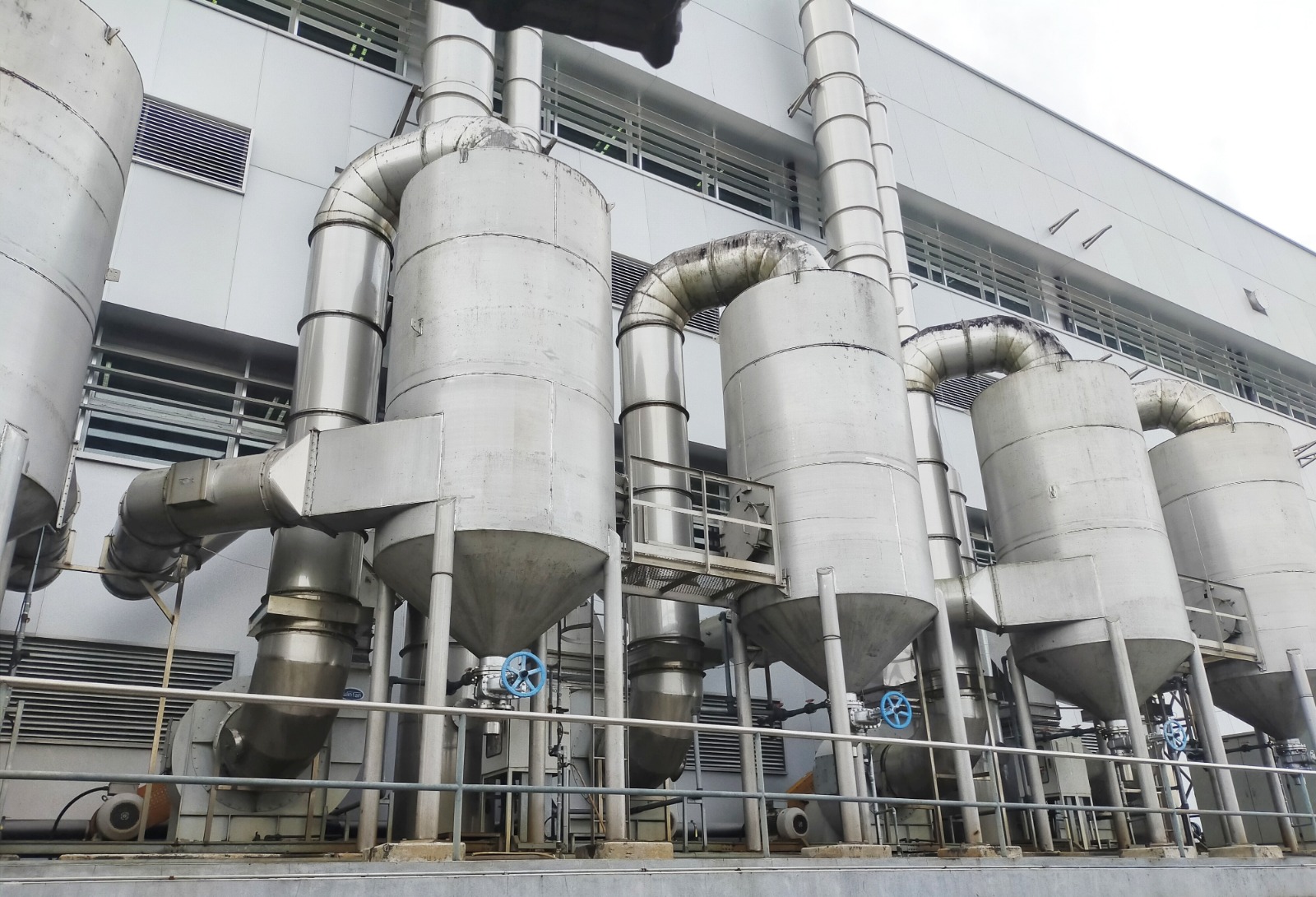
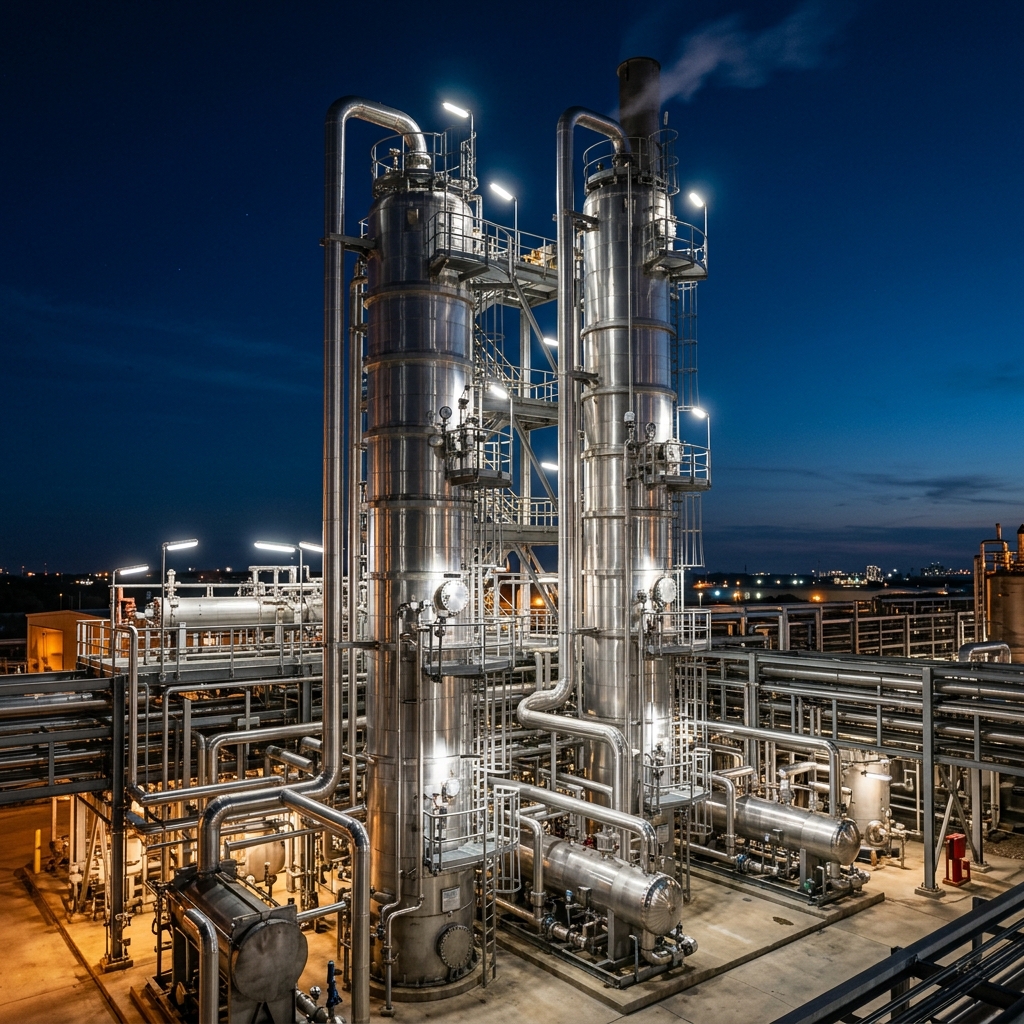
The DUCON® biogas filtration system combines rapid chemical absorption with robust biological sulfur recovery to remove H₂S from (bio)gas. The system consists of an absorber column, a bioreactor, and a sulfur recovery unit.

  • Absorption: The H₂S-containing gas is brought into counter-current contact with mildly alkaline wash water; H₂S dissolves readily in this solution.

  • Biological regeneration: In the bioreactor, naturally occurring bacteria oxidize dissolved sulfide to elemental sulfur particles, continuously regenerating the wash solution. This allows in-loop reuse of the alkaline solution in the absorber and results in very low operating costs.

  • Solid–liquid separation: The produced elemental sulfur is separated and discharged for use in organic fertilizer applications.

What is DSI?

  • Dry Sorbent Injection (DSI) is a modern technology used to remove acid pollutants (SO2, HCl, HF) from flue gas.
  • A powdered reactive material is injected directly into the flue-gas stream.
  • It stands out for its low capital cost and ease of installation.

How the system works

  • 1. Storage — Sorbents (trona or sodium bicarbonate) are kept in dedicated sealed silos.
  • 2. Injection — Precision dosing units distribute the material into the gas duct homogeneously.
  • 3. Filtration — Solid particles formed after the reaction are captured in the bag filter and removed from the system.

Why DSI? Advantages

  • Cost: Much lower capital expenditure compared to wet scrubbers.
  • Footprint: Compact design integrates easily with existing plants.
  • Water use: Fully dry process — no water consumption or wastewater treatment.
  • Flexibility: Real-time dosing adjustment to keep pace with variable emission limits.

Application areas

  • Thermal power plants (coal and biomass).
  • Waste-incineration facilities.
  • Glass and ceramics factories.
  • Cement and lime production plants.
  • Iron-steel and metallurgy facilities.

Technical note

  • For removal efficiencies above 95%, in-line milling systems that increase the sorbent's active surface area can be integrated into our solutions.

Frequently Asked Questions

What is the main difference between DSI and a wet scrubber?

DSI uses a dry reagent and the reaction product is captured in the existing bag filter, whereas a wet scrubber uses liquid reagent in a scrubbing tower and generates wastewater.

Is DSI compatible with my existing bag filter?

Yes — DSI is typically integrated upstream of the existing bag filter; the filtration area and pressure-drop margin should be re-checked.

Which sorbent should be used?

Sodium bicarbonate or trona usually performs best for SO2-driven emissions; hydrated lime is typical for HCl/HF-driven emissions.

Quick Info

Neutralizes acid pollutants (SO2, HCl, HF) directly in the gas phase
Significantly lower initial investment than wet scrubbers
Fully dry process — no water consumption or wastewater treatment needed

HTML Engineering Resources

Jump to the application page, reference project, and industry series without waiting for a PDF.

Need More Information?

Our expert team is ready to provide customized solutions.

Contact Us Request Quote

Embed This Product

Copy the code below and paste it into your website.

Want to learn more about this product?

Our expert team is ready to provide you with customized solutions.