
Skip to content
Biotrickling Scrubber

Biotrickling Scrubber

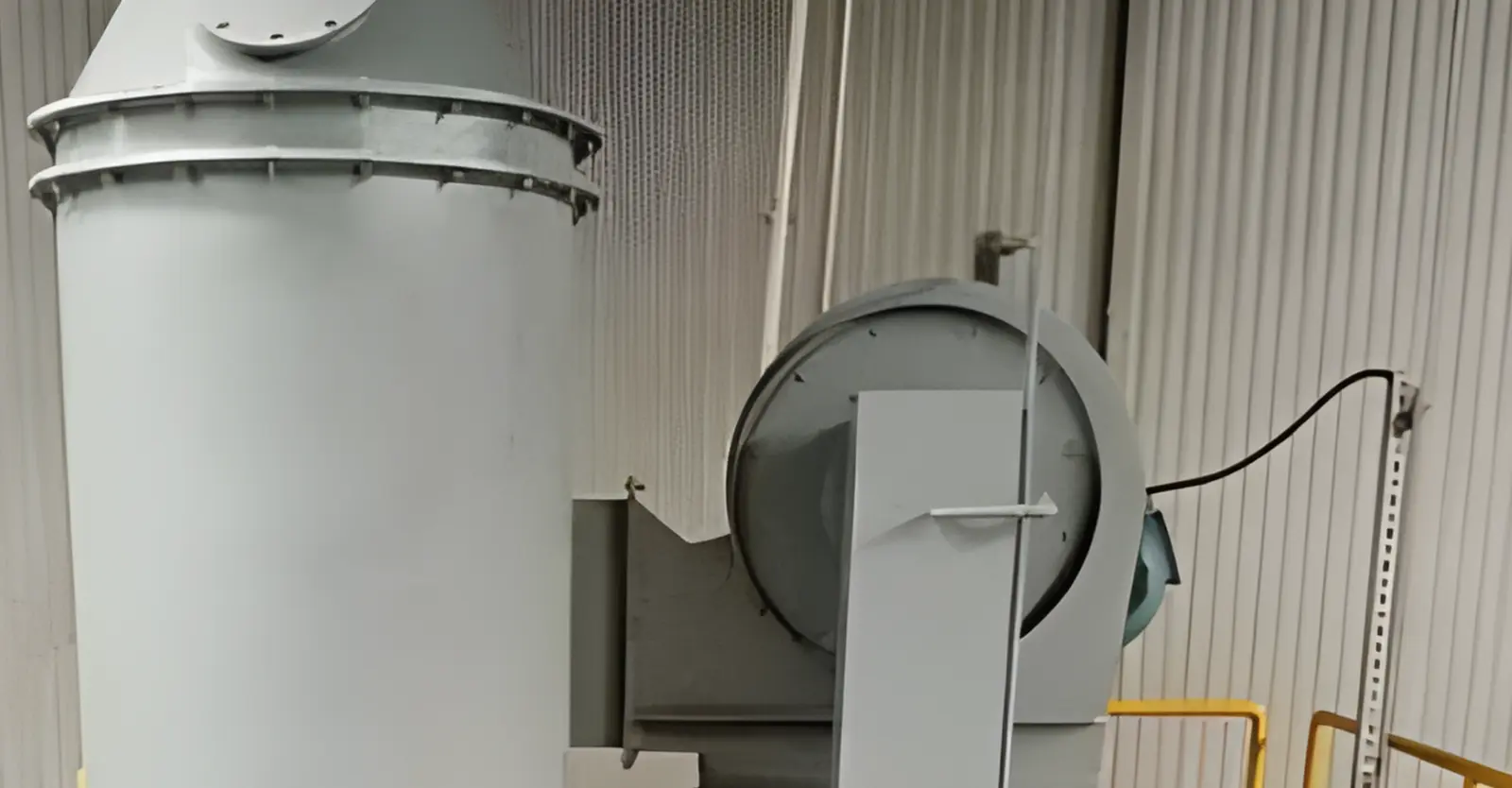
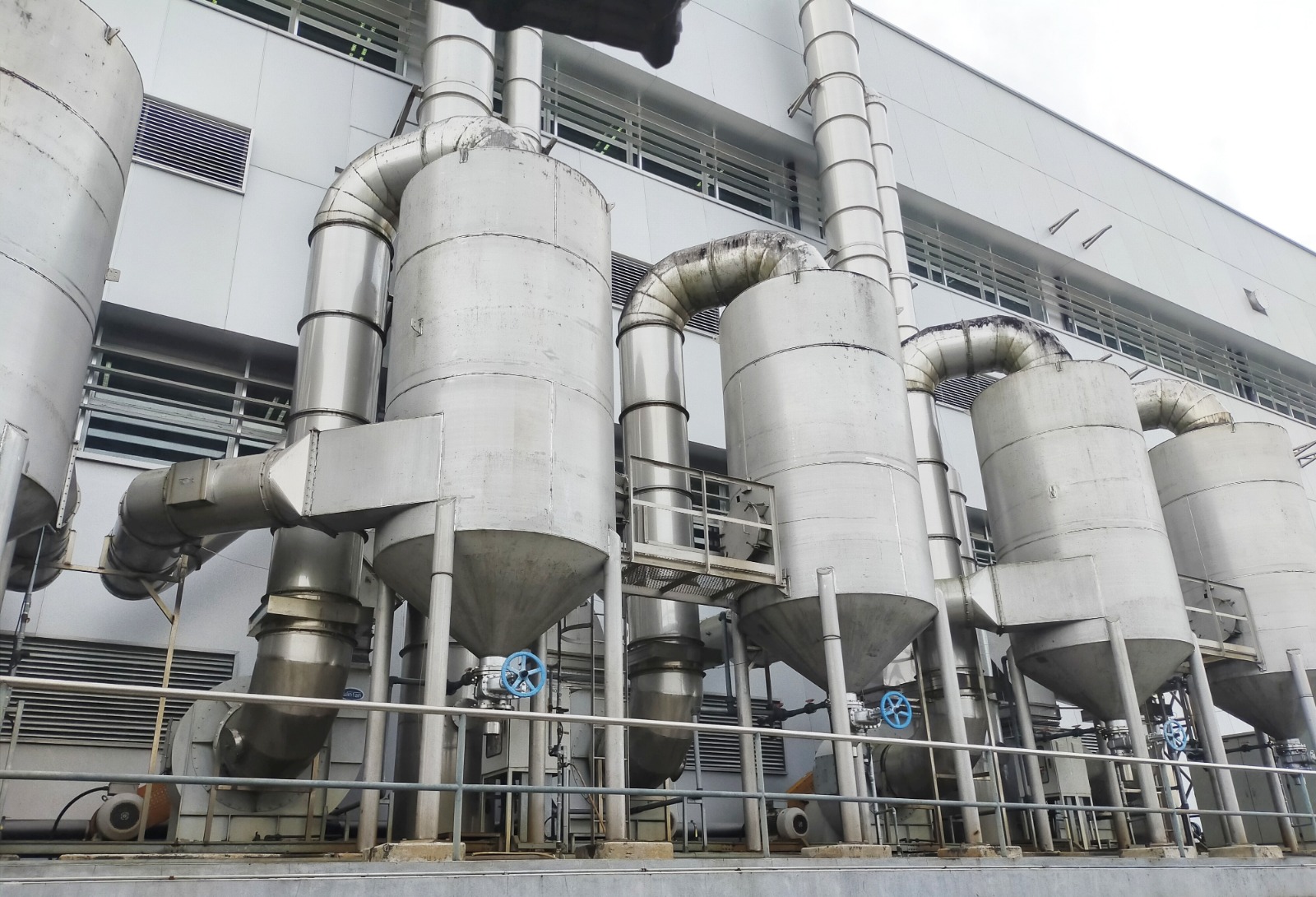
Biotrickling Scrubber is a wet-treatment system that biologically removes odor and biogas-related contaminants over biofilm-supported packing media.

Contact Us

Biotrickling Scrubber

Wet Collection

DUCON

Product Gallery

Biotrickling Scrubber

4 images
Biotrickling Scrubber

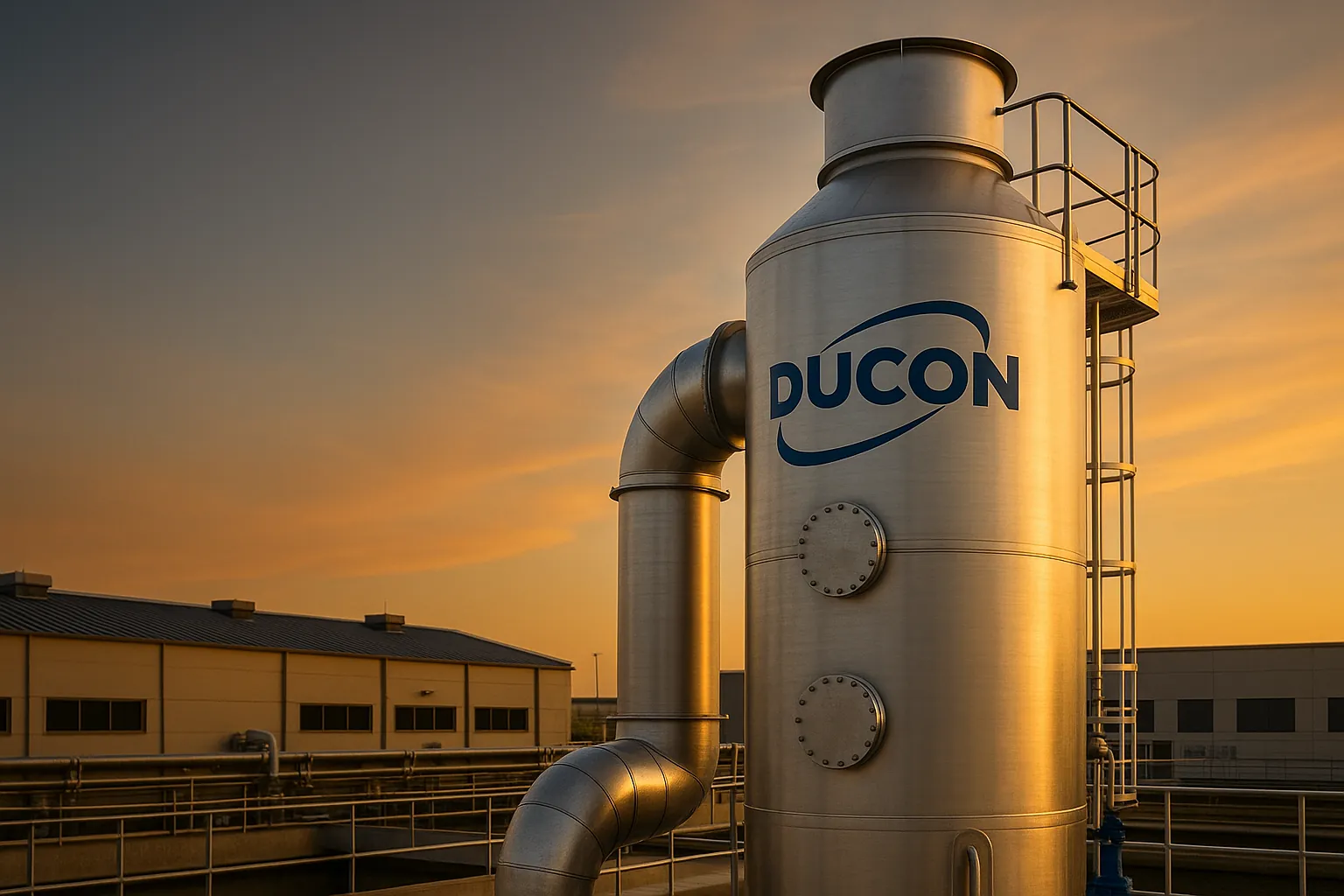
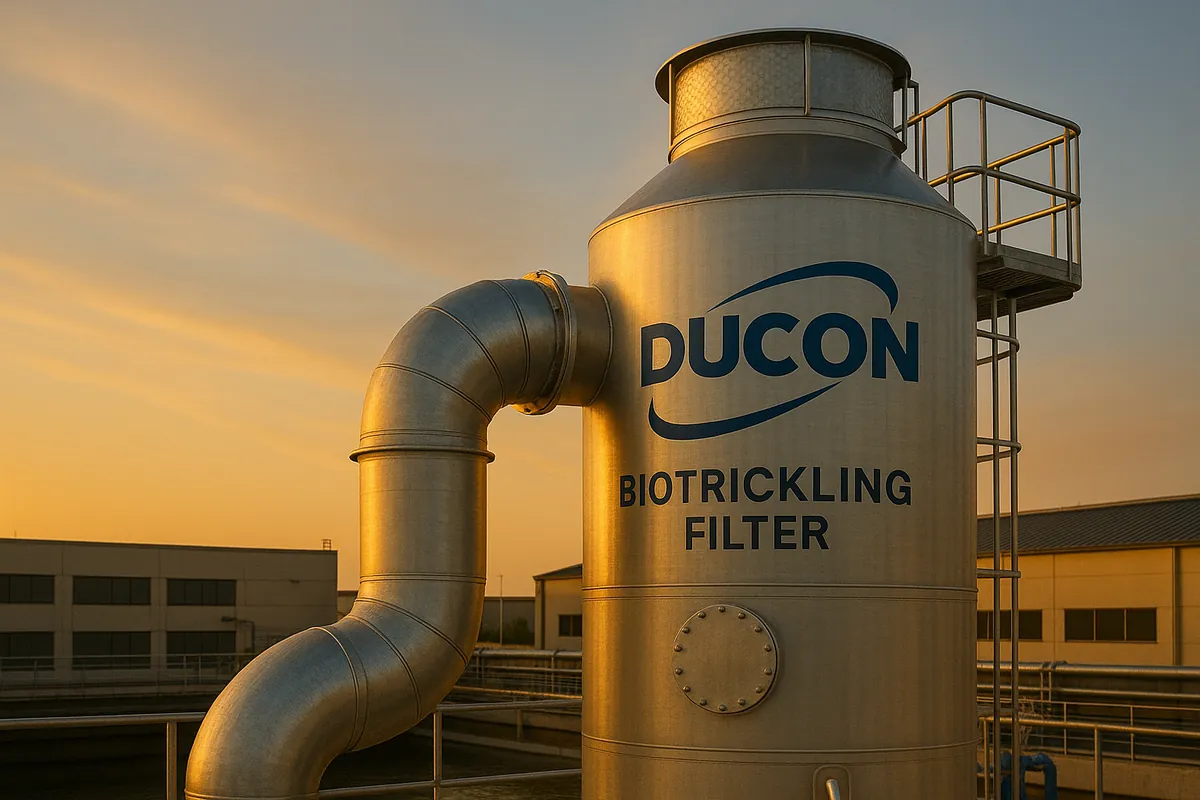
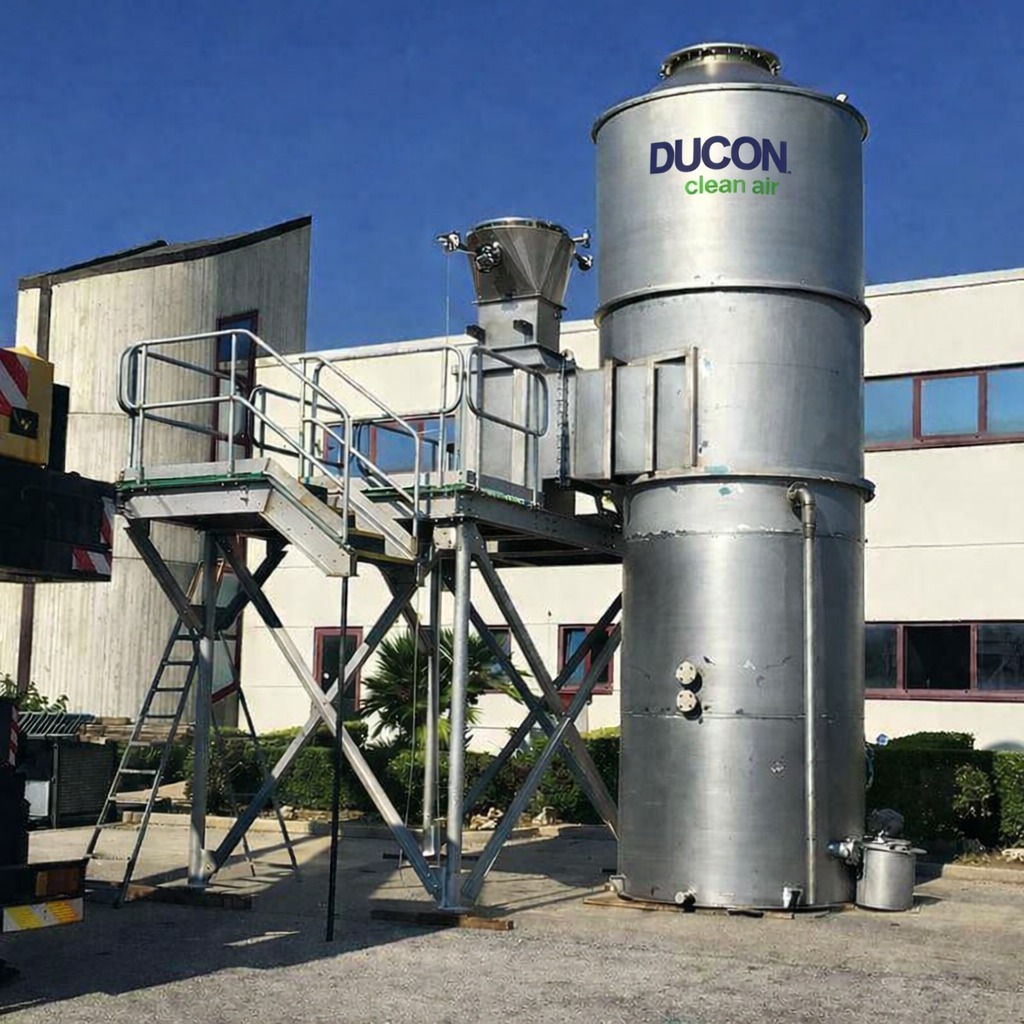
DUCON® Biotrickling Filter (BTF)

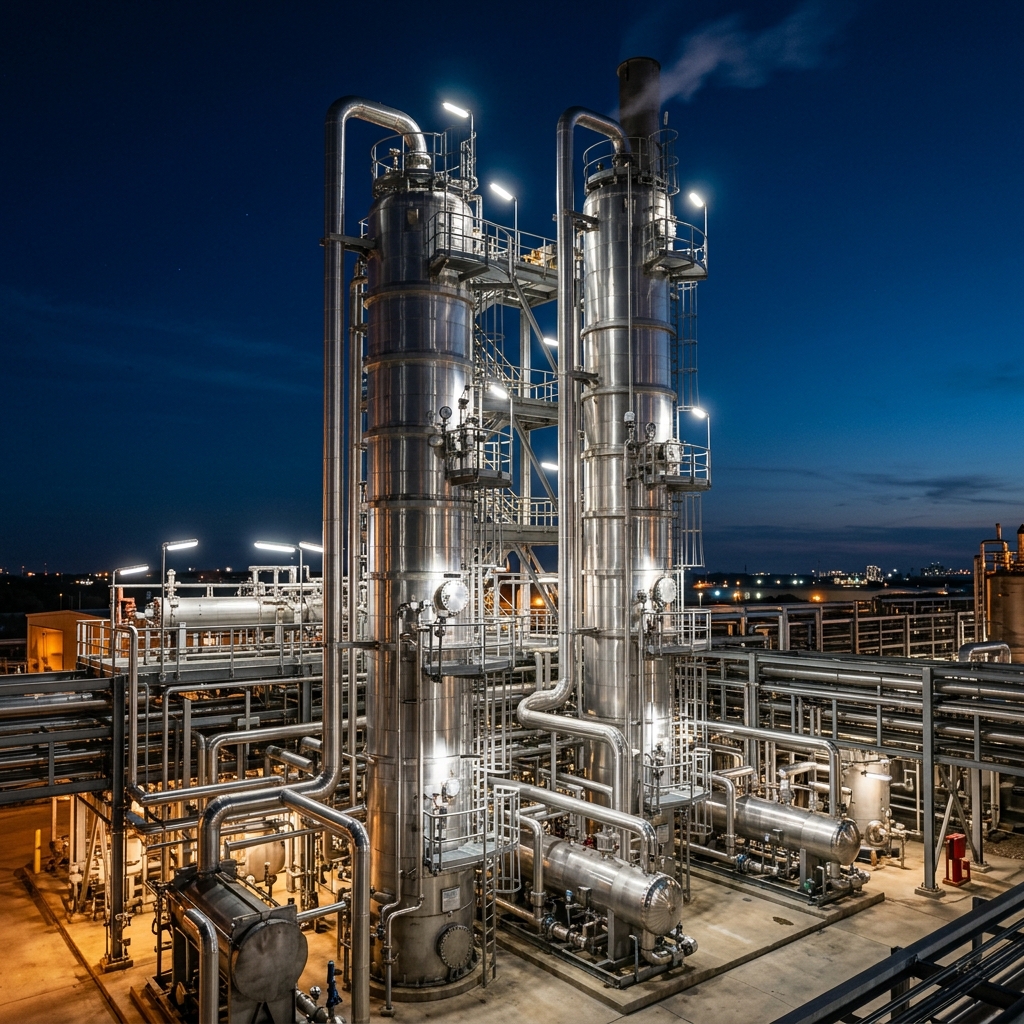
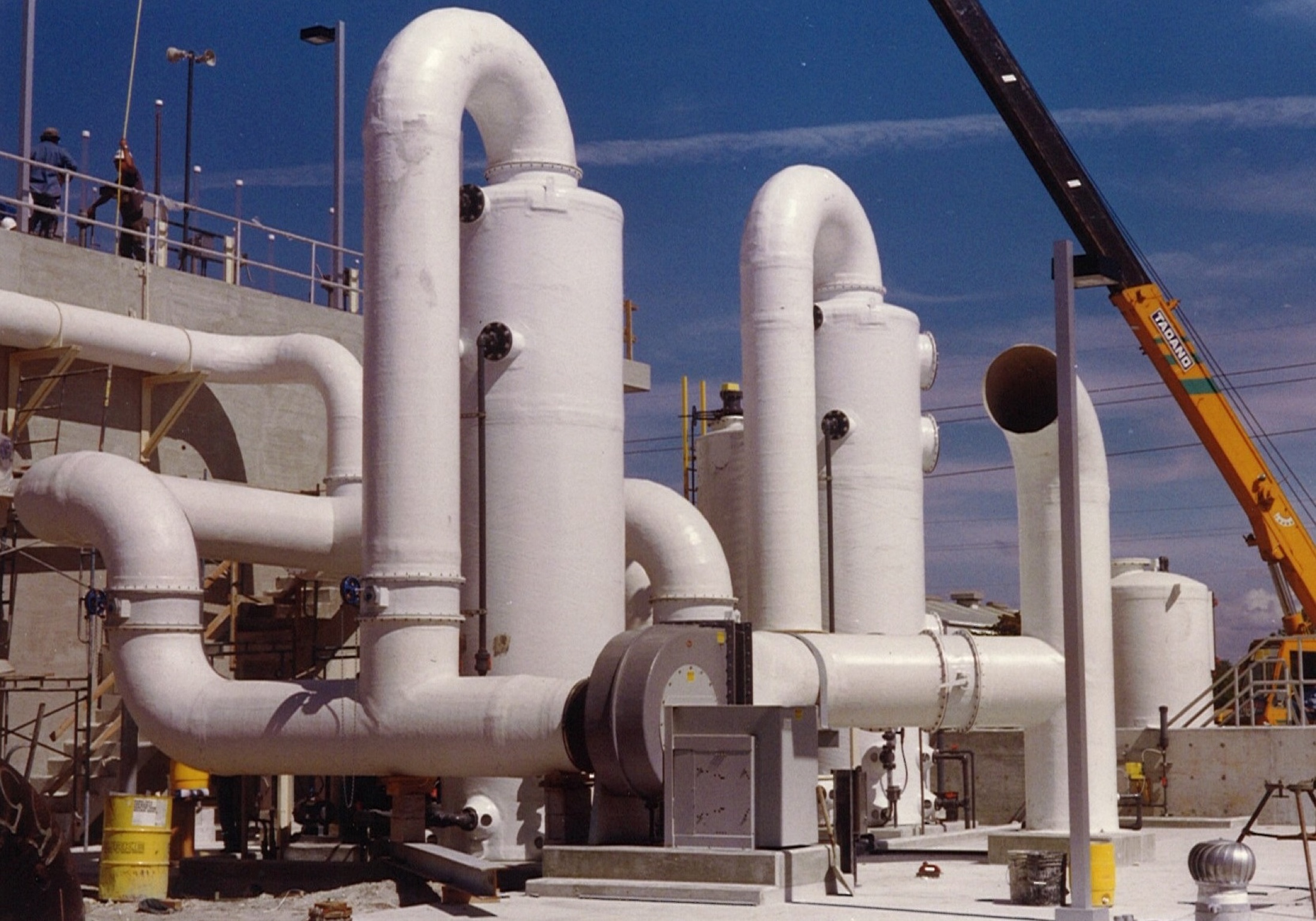
DUCON® Biotrickling Filter is an advanced biological air treatment technology that combines the advantages of a biofilter and a chemical scrubber for the abatement of volatile organic compounds (VOCs) and odor-causing gases in industrial emissions. The system harnesses the metabolic capabilities of specialized microorganisms to biologically degrade organic pollutants. It features a packed bed/column filled with inert plastic media that supports robust biofilm growth. The casing and internals can be fabricated from 304/316 stainless steel (SS), PP, HDPE, or FRP depending on process requirements.


How It Works

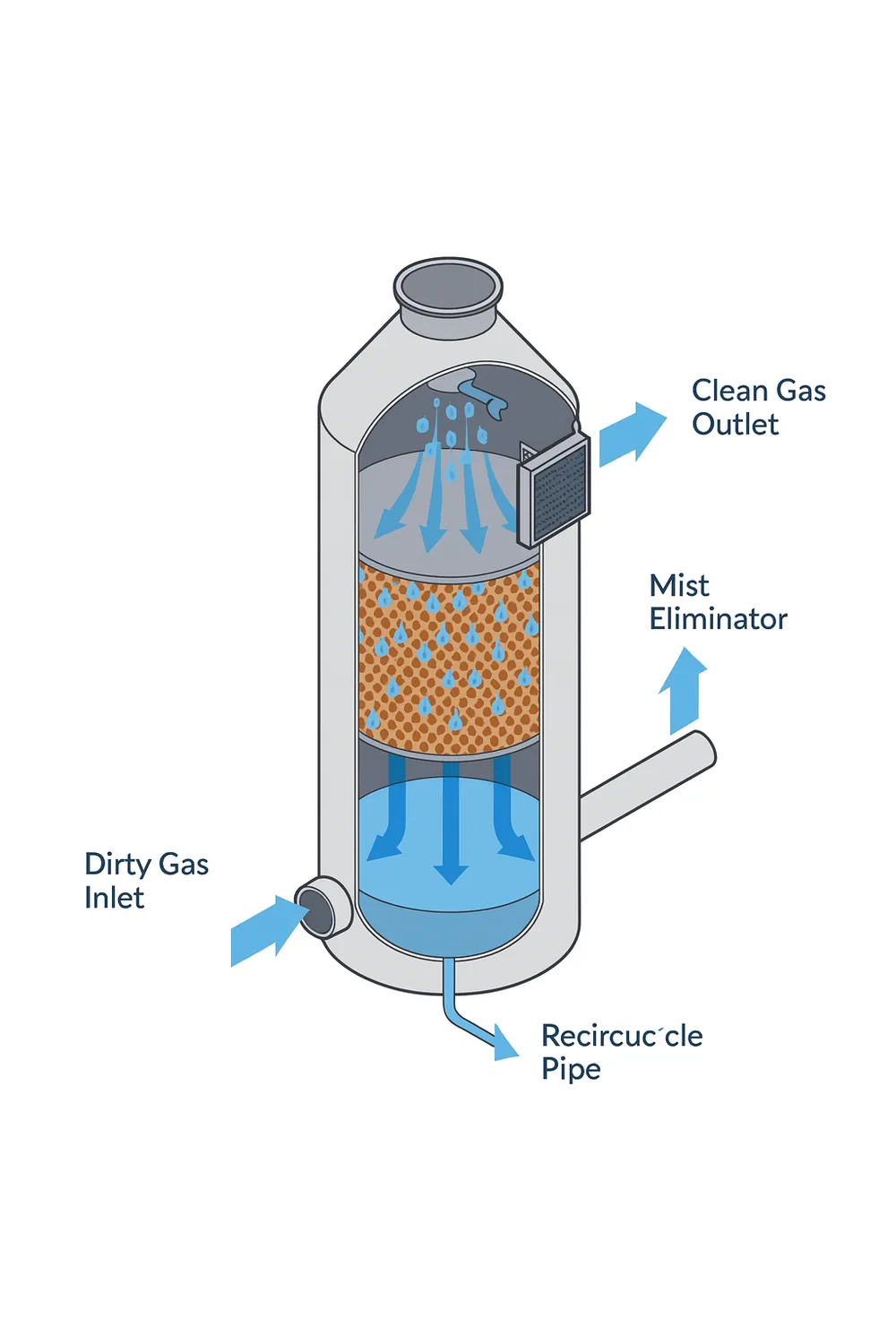
Gas Contact


Contaminated exhaust gas is passed through the packed bed where microorganisms are immobilized. These microbes utilize selected VOCs as sources of carbon and energy.

Mass Transfer


Pollutants transfer into the biofilm and into a counter-currently recirculated wash (nutrient) solution. This liquid nourishes the microorganisms and accelerates transfer from the gas phase into the biofilm.

Biodegradation & Regeneration


Within the bio‑reactive environment, microorganisms oxidize pollutants into harmless intermediate/final products. The system is routinely controlled to keep pH, nutrients, and salt balance within optimum ranges.

Blowdown & Biomass Control


Accumulated salts and excess biomass are removed via controlled blowdown; fresh water and nutrients are added to maintain equilibrium.

Mist Eliminator


The cleaned gas passes through a mist eliminator to remove residual droplets before discharge to atmosphere.


What Problem Does It Solve?

Biotrickling filters deliver high removal efficiencies particularly for water‑soluble VOCs and odorants (e.g., H₂S, NH₃, mercaptans, selected aldehydes/ketones/alcohols). Because they use naturally occurring microorganisms, they are an environmentally sustainable solution that helps protect air quality, achieve regulatory compliance, and improve workplace conditions.
System Advantages

  • High removal efficiency with low operating cost (OPEX)

  • Low chemical consumption with no hazardous by‑products

  • Modular design: single‑column or multi‑stage configurations

  • Low pressure drop and energy‑efficient fan/pump selection

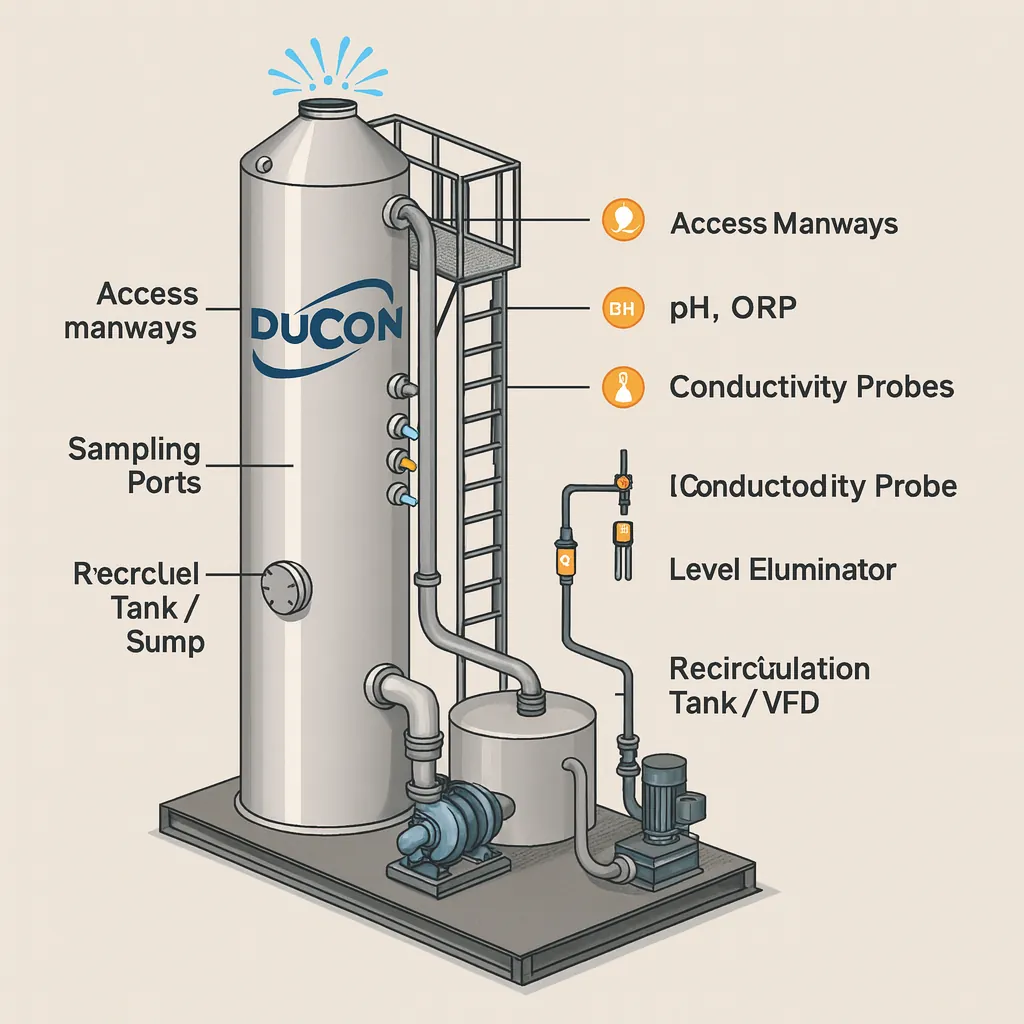
  • Automation & monitoring: pH, ORP, conductivity, level, and flow control

  • Wide material options: 304/316 SS, PP, HDPE, FRP

  • Integrated mist eliminator, easy maintenance and cleaning

  • Reliable solution for compliance with odor and VOC regulations


Typical Applications

  • Wastewater treatment plants, pump stations, sludge processing

  • Food & beverage, pulp & paper, chemical & petrochemical process ventilation

  • Waste transfer/landfills, composting, rendering lines

  • Paint/coating, resins, biogas/biomethane facilities for odor control


Design & Options

  • Single/multi‑stage spray distribution and media types

  • Heating/cooling coils or weather‑protection enclosure (cold climates)

  • Pre‑scrubber or gas humidification module

  • ATEX‑compliant fan/motor selections, bypass line, and maintenance platforms

Where does it fit best?

  • Wet scrubbers are strong candidates where acid-gas removal and odor control must be handled together in the same process line.
  • They offer more flexible integration than dry systems when gas cooling and scrubbing must happen in sequence.
  • When dust loading and gas composition vary together, liquid-circuit and chemical control provide tighter operating control.

Selection criteria

  • Gas flow, temperature, humidity, and contaminant composition should be evaluated together.
  • Pressure drop, liquid consumption, pump load, and mist eliminator design shape the operating cost envelope.
  • Reaction chemistry, pH control, and blowdown handling should be defined early in the design phase.

Operation and maintenance notes

  • Nozzle fouling, pump-circuit stability, mist eliminator contamination, and corrosion points should be monitored routinely.
  • Liquid recirculation stability and chemical-dosing control are critical to sustained performance.
  • Installations without maintenance access planning typically increase downtime and service cost.

Frequently Asked Questions

Is a venturi scrubber the same as a wet scrubber?

A venturi scrubber is a high-energy sub-type within the wet-scrubber family. Wet scrubbers also include packed-bed, dynamic, and chemical-absorption layouts.

When should a wet scrubber be considered instead of a dry system?

Wet scrubbers become more suitable when gas-phase contaminants must be dissolved or neutralized, or when the stream carries high humidity or corrosive load.

What drives operating cost the most?

Pressure drop, pump duty, liquid consumption, chemical dosing, and maintenance access are the main cost drivers.

Quick Info

Gas and particulate removal can be handled in the same line
Easy process integration for corrosive or wet gas streams
Can be adapted with venturi, packed-bed, and chemical-absorption layouts

HTML Engineering Resources

Jump to the application page, reference project, and industry series without waiting for a PDF.

Need More Information?

Our expert team is ready to provide customized solutions.

Contact Us Request Quote

Embed This Product

Copy the code below and paste it into your website.

Want to learn more about this product?

Our expert team is ready to provide you with customized solutions.