
Skip to content
Tray Scrubber

Tray Scrubber

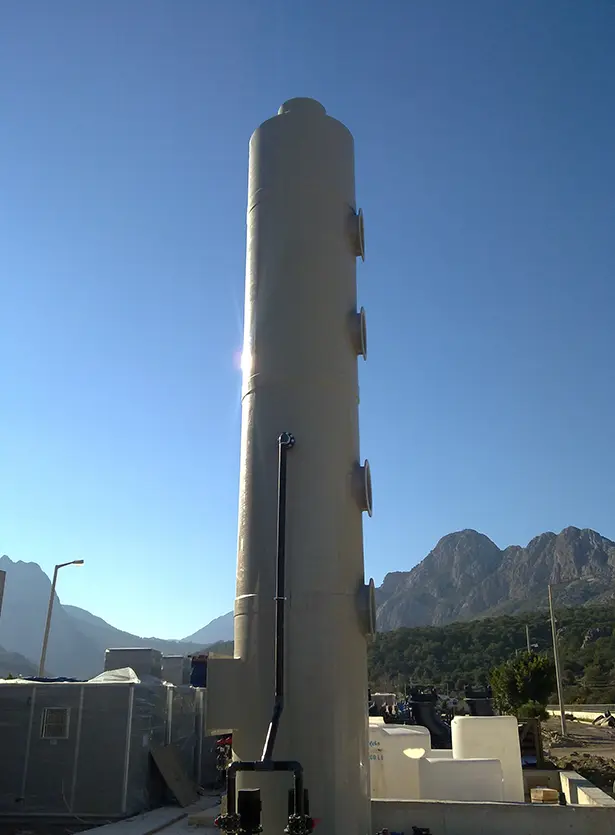
Tray Scrubber increases gas-liquid contact through its staged tray architecture for efficient scrubbing on corrosive and acidic gas streams.

Contact Us

Tray Scrubber

Wet Collection

DUCON

Product Gallery

Tray Scrubber

5 images
Tray Scrubber
Tray Scrubber
Tray Scrubber
Tray Scrubber
Tray Scrubber

TS-Tray Wet Washer

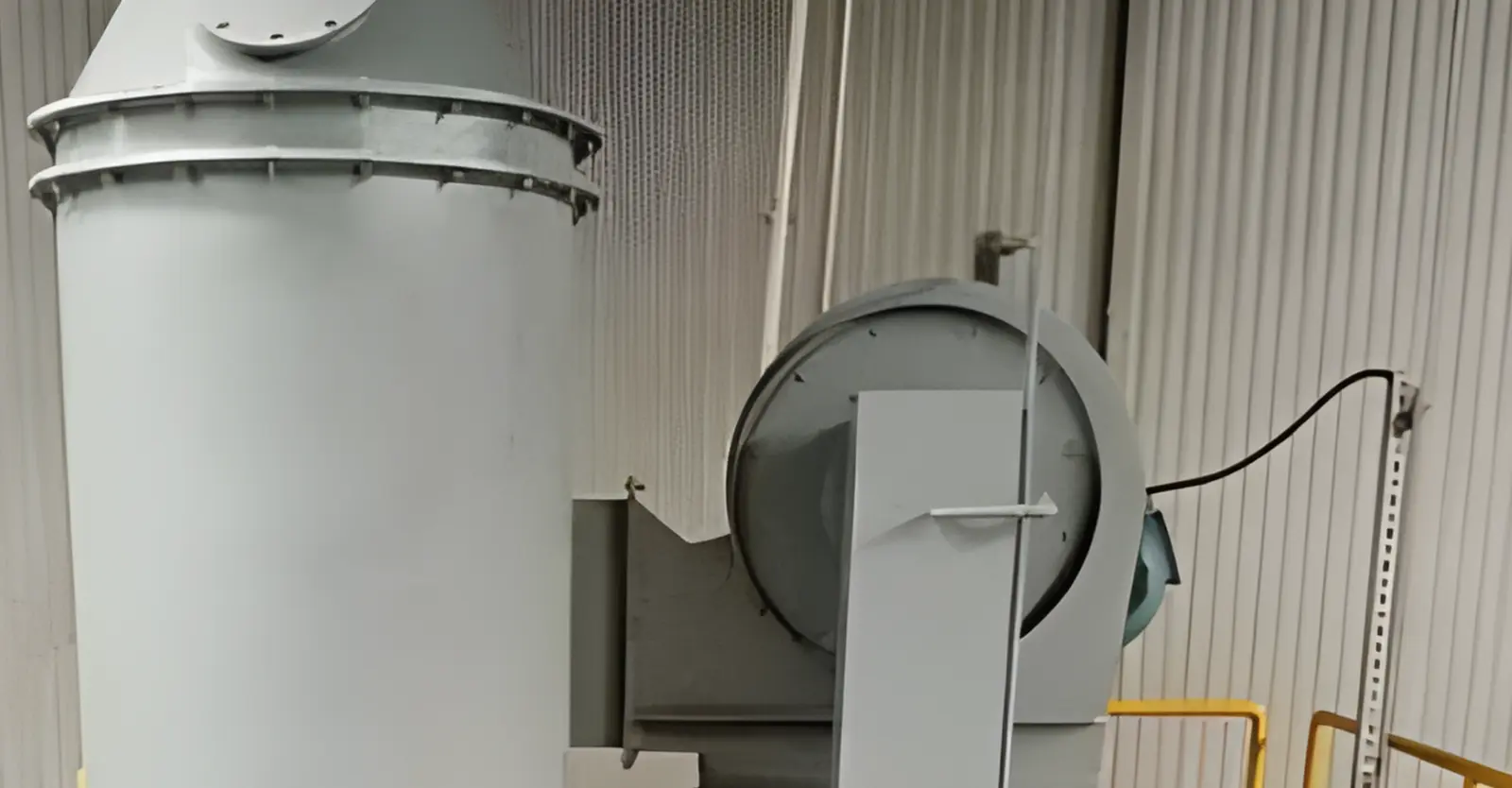
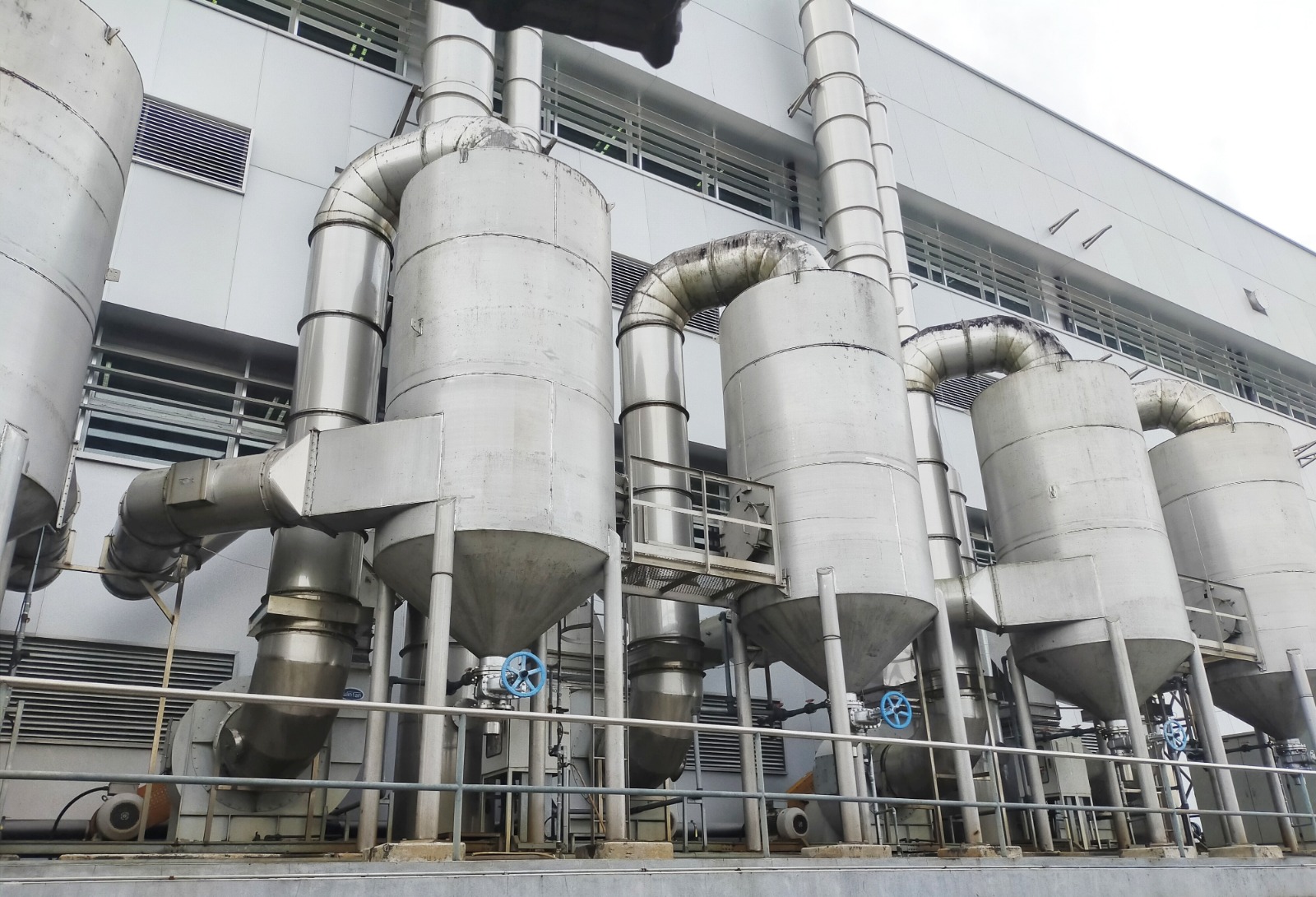
The MDSJ Clean Air Technology tray scrubber is a versatile, low-pressure scrubber suitable for a wide range of applications with highly efficient dust capture. The MDSJ tray scrubber is also suitable for the extraction of gases and vapours such as SO2, HF, HCI, NH3 and CI2 and for the removal of SO2.

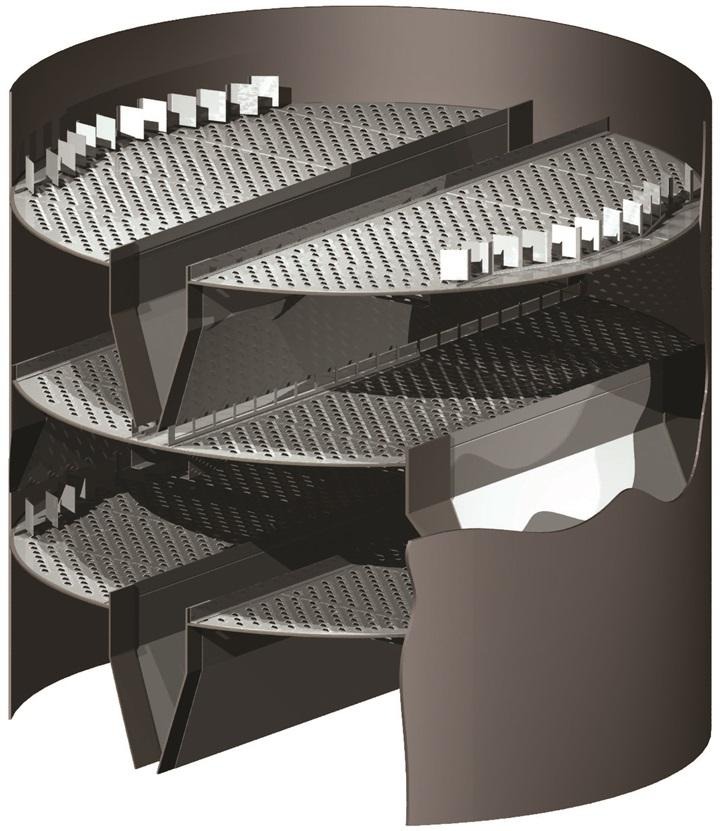
The scrubber can be equipped with a perforated turbulent contact tray or a controlled tray. The perforated type tray contains a large number of holes. The controlled tray is similar to a normal tray scrubber but has special diverters positioned above each hole. The diverters increase the dust collection efficiency because the dust directly impacts the submerged target, which is then washed away by the flowing liquid.

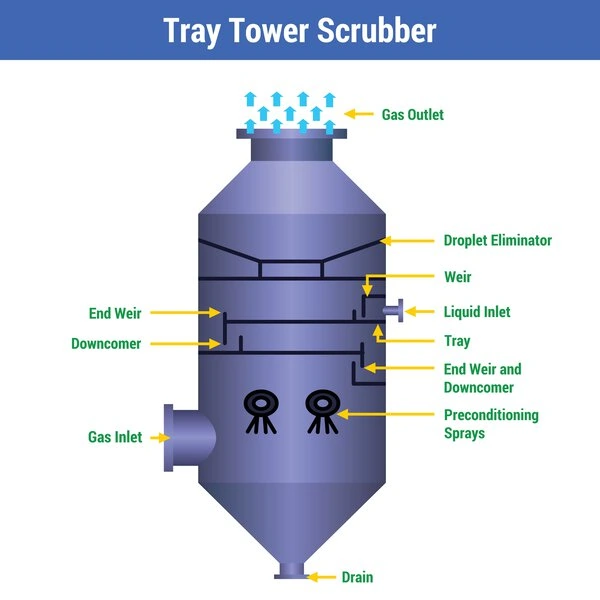
Depending on the application requirements, several types of trays and one or more stages can be incorporated into the MDSJ tray. The scrubber can be used with recycled liquids containing 2% solids. During operation, the dirty gas enters the bottom of the scrubber and passes through the holes in the tray. The washing liquid passes into the upper contact stage and flows through the tray. The gas absorbs the liquid, which creates a dust retention and a special gas/liquid mixture. The cleaned gas then passes through the mist eliminator and out the top of the unit to the atmosphere.
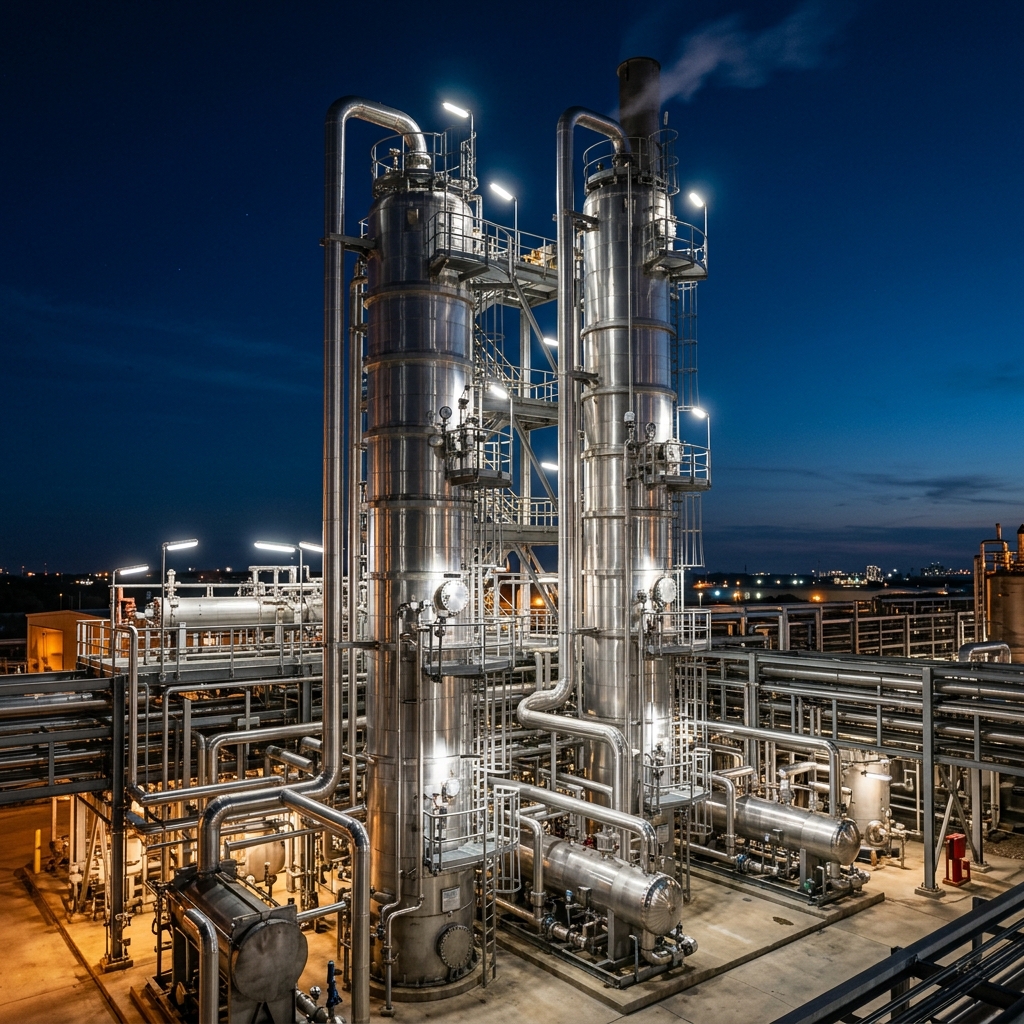
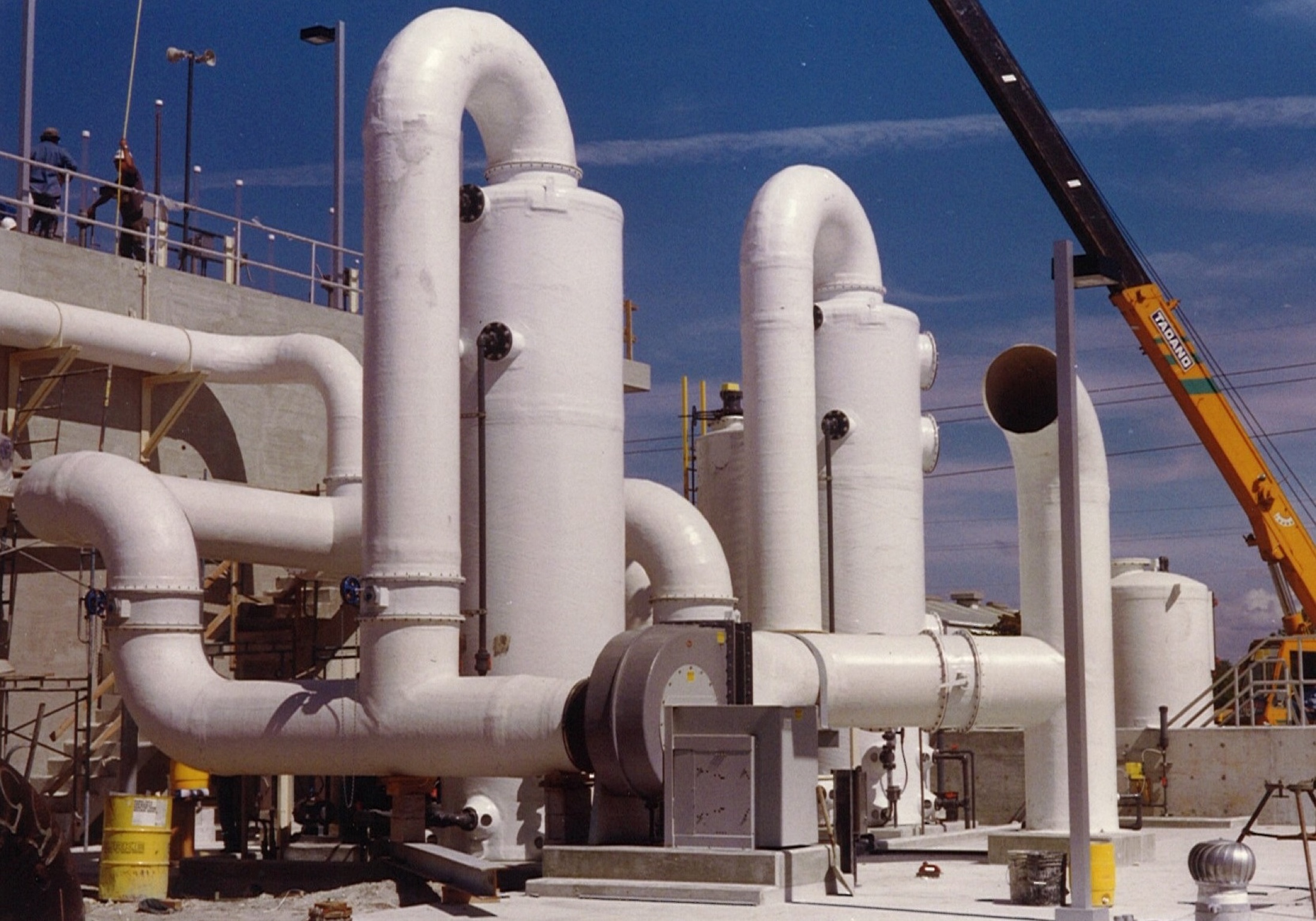
MDSJ Turbulent Contact Tray Scrubbers can be made of carbon steel, stainless steel, special alloys and plastics. Units are available with capacities ranging from 1000 to 400 thousand m3. The scrubber can handle recycled liquids containing 2% solids. During operation, dirty gas enters the bottom of the scrubber and passes through the holes in the tray.

The cleaned gas then passes through the mist eliminator and out the top of the unit to the atmosphere.


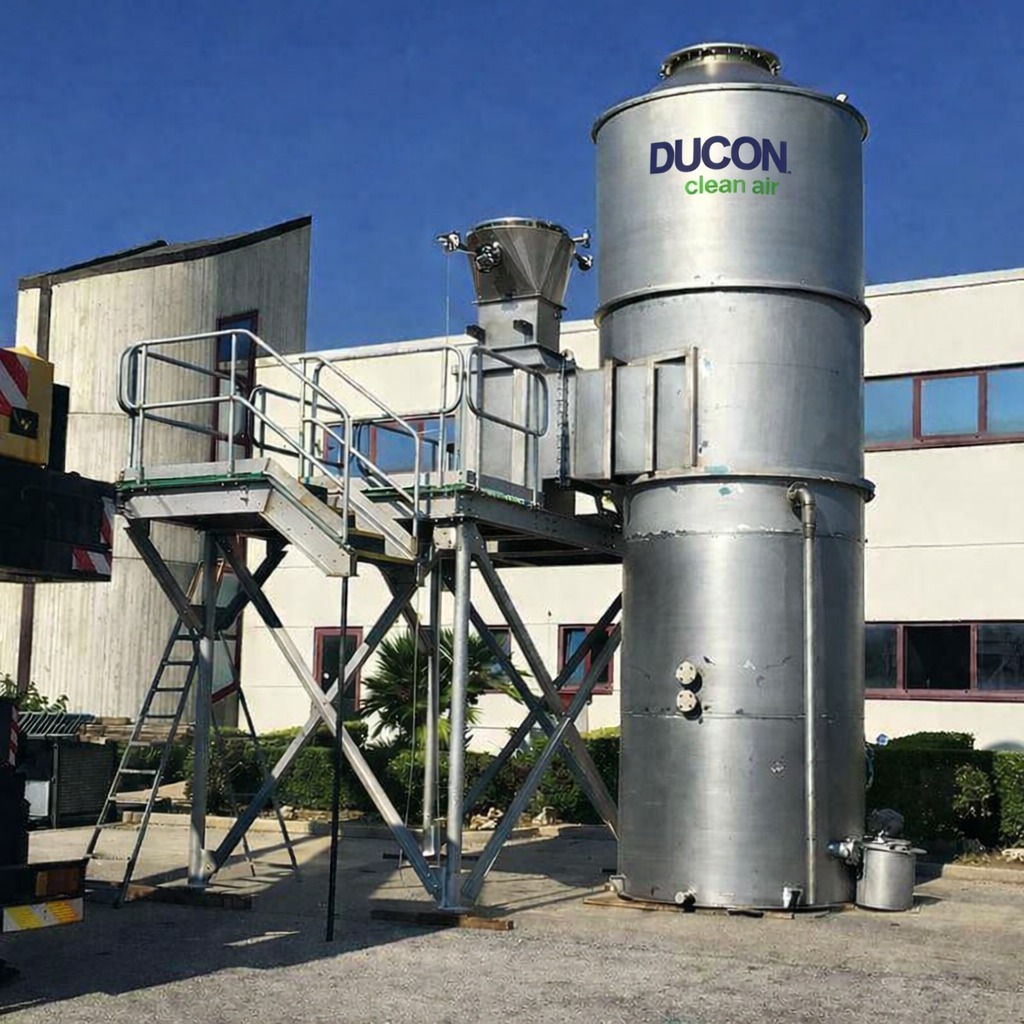
Structural Features

MDSJ Turbulent contact tray washers can be made from carbon steel, stainless steel, special alloys and plastics. Units are available with capacities ranging from 1000 to 400 thousand m3.Versatile MDSJ Process Engineering TS Filled Scrubber Applications Suitable for a wide variety of applications in industries including chemical, pulp, steel and metal coating, fertilizer and pharmaceutical. The MDSJ Process Engineering TS tray scrubber is effective in removing corrosive and or noxious fumes and mists (6-8 microns and larger) from a gas stream.

Where does it fit best?

  • Wet scrubbers are strong candidates where acid-gas removal and odor control must be handled together in the same process line.
  • They offer more flexible integration than dry systems when gas cooling and scrubbing must happen in sequence.
  • When dust loading and gas composition vary together, liquid-circuit and chemical control provide tighter operating control.

Selection criteria

  • Gas flow, temperature, humidity, and contaminant composition should be evaluated together.
  • Pressure drop, liquid consumption, pump load, and mist eliminator design shape the operating cost envelope.
  • Reaction chemistry, pH control, and blowdown handling should be defined early in the design phase.

Operation and maintenance notes

  • Nozzle fouling, pump-circuit stability, mist eliminator contamination, and corrosion points should be monitored routinely.
  • Liquid recirculation stability and chemical-dosing control are critical to sustained performance.
  • Installations without maintenance access planning typically increase downtime and service cost.

Frequently Asked Questions

Is a venturi scrubber the same as a wet scrubber?

A venturi scrubber is a high-energy sub-type within the wet-scrubber family. Wet scrubbers also include packed-bed, dynamic, and chemical-absorption layouts.

When should a wet scrubber be considered instead of a dry system?

Wet scrubbers become more suitable when gas-phase contaminants must be dissolved or neutralized, or when the stream carries high humidity or corrosive load.

What drives operating cost the most?

Pressure drop, pump duty, liquid consumption, chemical dosing, and maintenance access are the main cost drivers.

Quick Info

Gas and particulate removal can be handled in the same line
Easy process integration for corrosive or wet gas streams
Can be adapted with venturi, packed-bed, and chemical-absorption layouts

HTML Engineering Resources

Jump to the application page, reference project, and industry series without waiting for a PDF.

Need More Information?

Our expert team is ready to provide customized solutions.

Contact Us Request Quote

Embed This Product

Copy the code below and paste it into your website.

Want to learn more about this product?

Our expert team is ready to provide you with customized solutions.