
Skip to content
DeSOx

DeSOx

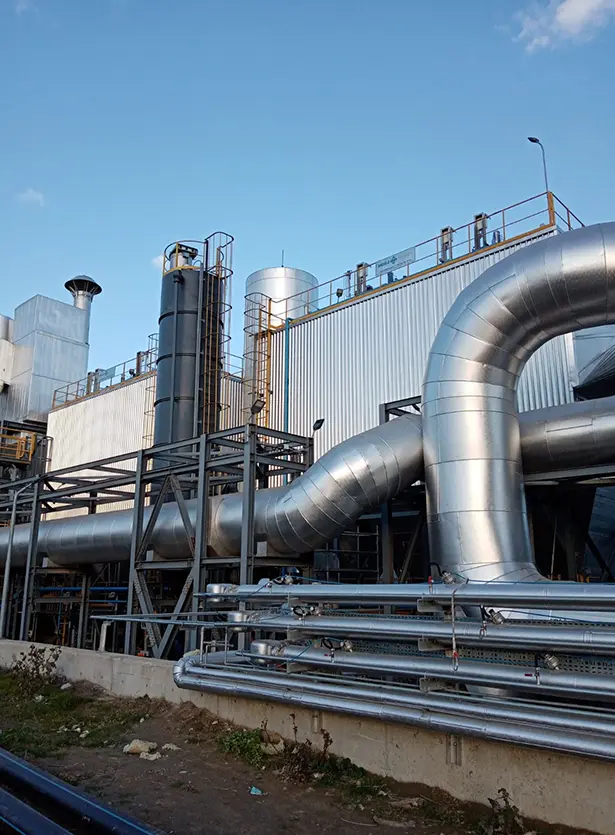
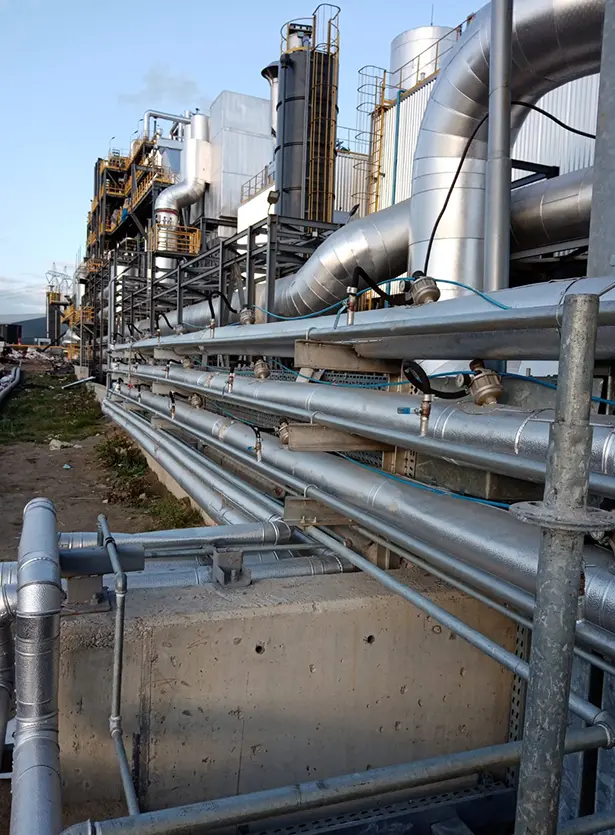
DeSOx-Entschwefelung Doppel-Alkali-Entschwefelung Dieses Verfahren verwendet ein natriumbasiertes Entschwefelungsmittel für die Entschwefelung im Turm.

Direkt anrufen

MDSJ Process — DUCON ist ein Hersteller aus der Türkei mit Sitz in Istanbul und Werk in Çerkezköy; die Produktgruppe DeSOx wird seit 1986 im eigenen Werk entwickelt und gefertigt.

Schnelle Projektbesprechung

Sprechen Sie mit dem Technikteam – ohne Formular

Teilen Sie Kapazität, Material, Temperatur, Prozess und Standortbedingungen telefonisch oder per E-Mail mit; das Team antwortet mit konkreten technischen Schritten.

DeSOx

Trockenentstaubung

DUCON

Product Gallery

DeSOx

3 images
DeSOx
DeSOx
DeSOx

DeSOx-Entschwefelung

Doppel-Alkali-Entschwefelung

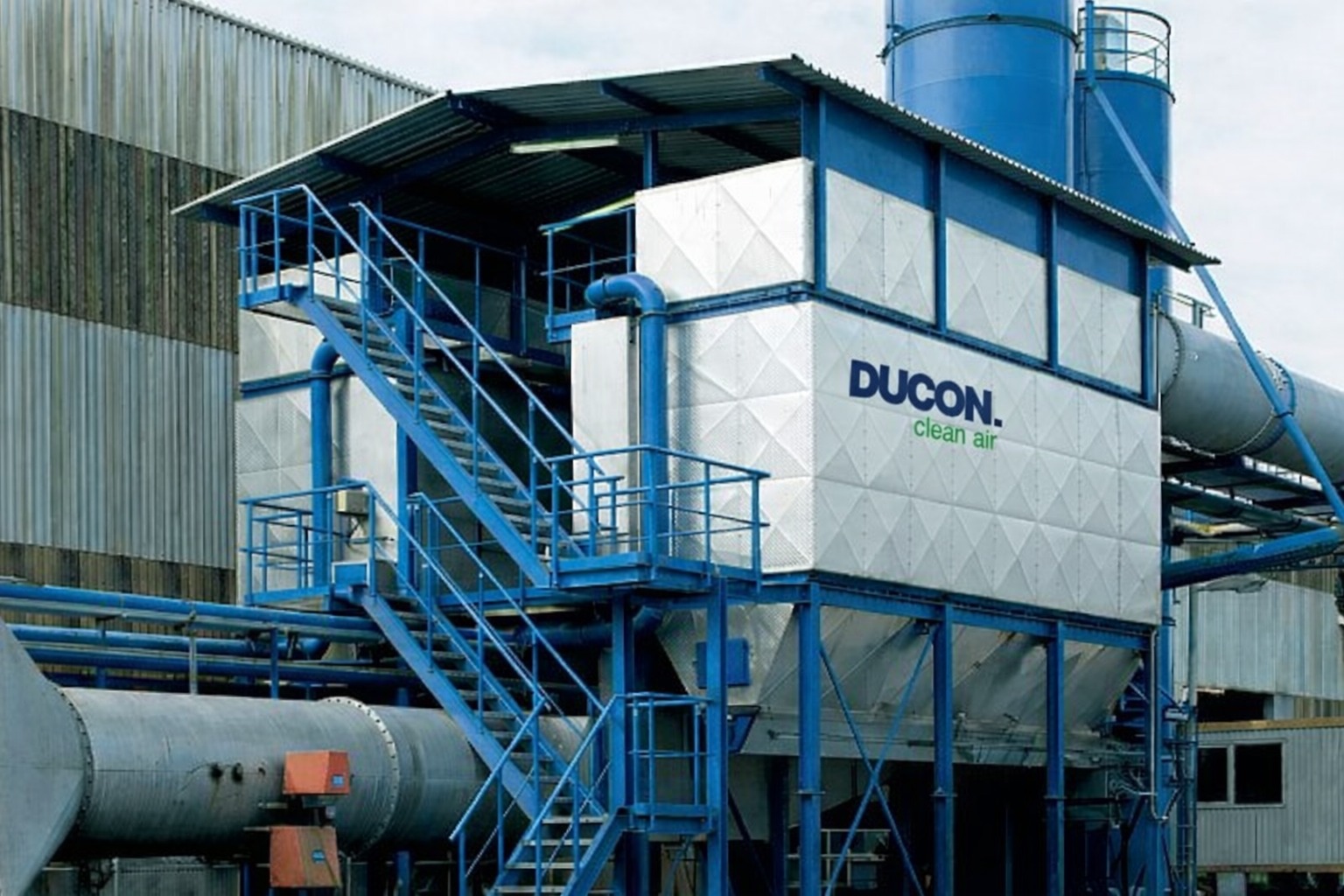
Dieses Verfahren verwendet ein natriumbasiertes Entschwefelungsmittel für die Entschwefelung im Turm. Aufgrund der starken Alkalität des natriumbasierten Entschwefelungsmittels ist die Löslichkeit der nach der Absorption von Schwefeldioxid (SO2) entstehenden Reaktionsprodukte sehr hoch. Dadurch kommt es nicht zu übersättigter Kristallisation, und Verstopfungsprobleme werden vollständig vermieden. Zudem werden die Produkte des Entschwefelungsmittels in den Regenerationstank abgeleitet, dort mit Calciumhydroxid regeneriert, und das regenerierte natriumbasierte Entschwefelungsmittel wird zur erneuten Verwendung in der Entschwefelung zurückgeführt.
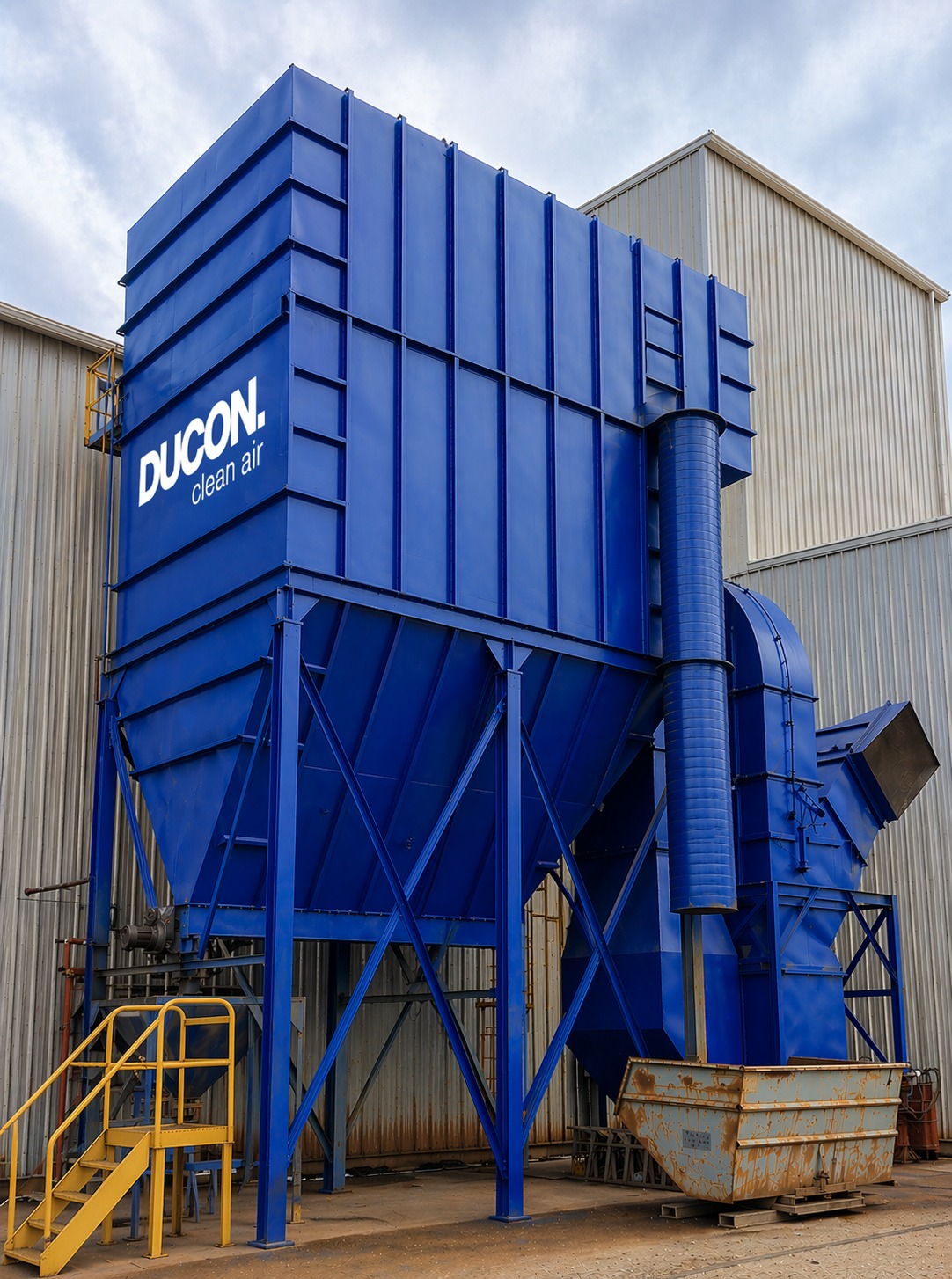
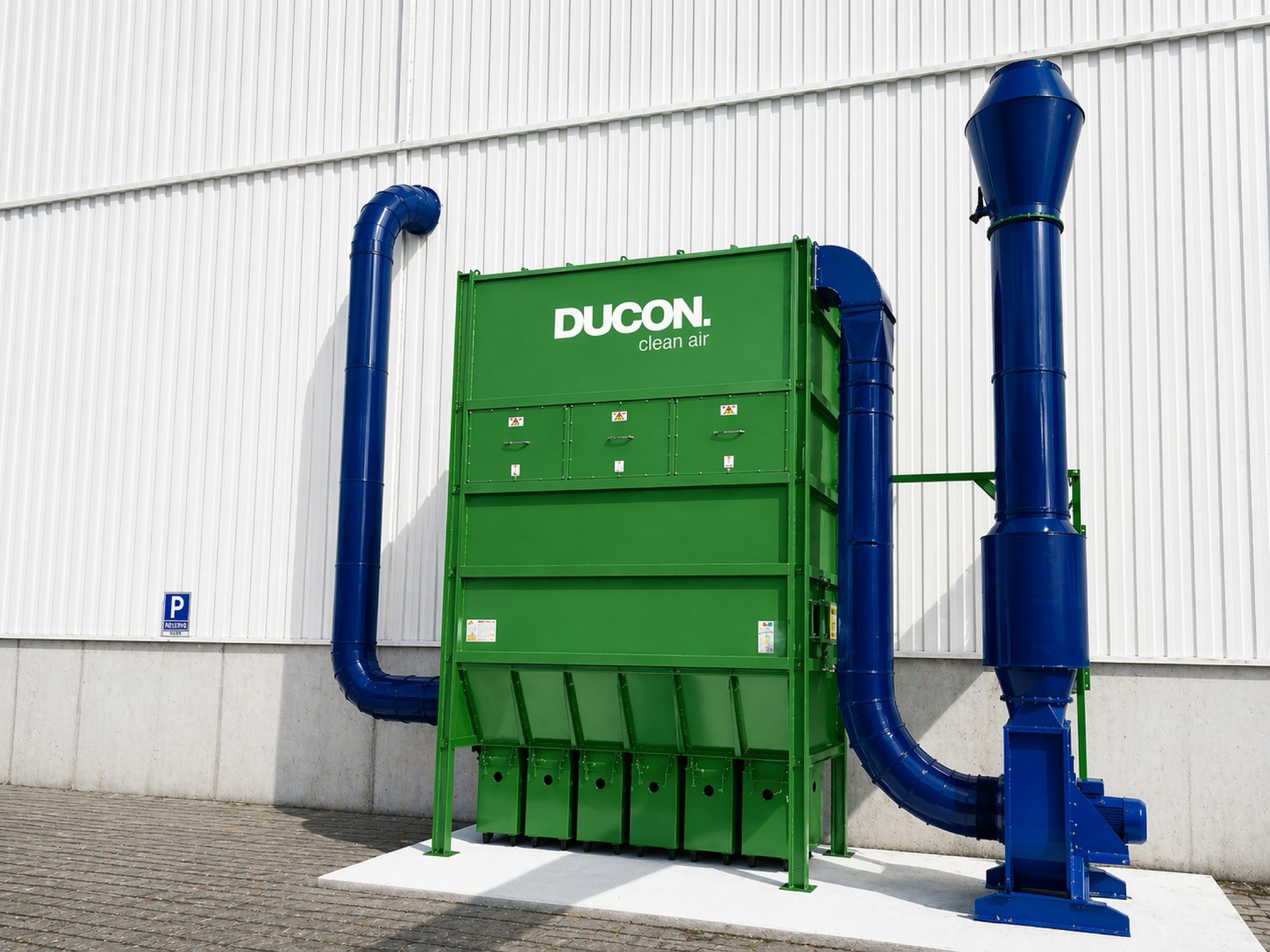
Anwendungen

  • Alle Betriebe mit hohen Schwefelemissionen

  • Verbrennungsanlagen für feste Abfälle

  • Kohlekessel

What is DSI?

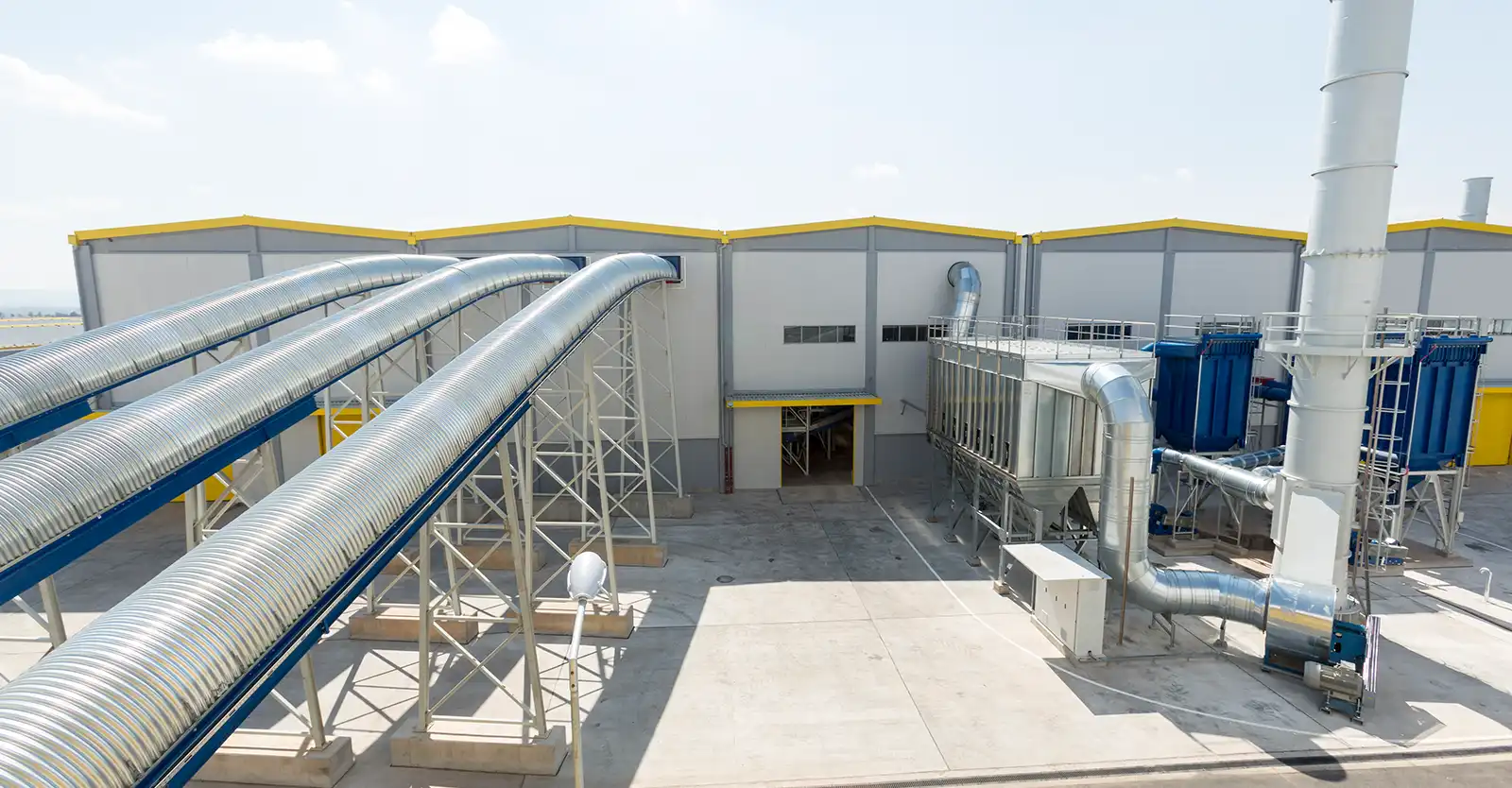
  • Dry Sorbent Injection (DSI) is a modern technology used to remove acid pollutants (SO2, HCl, HF) from flue gas.
  • A powdered reactive material is injected directly into the flue-gas stream.
  • It stands out for its low capital cost and ease of installation.

How the system works

  • 1. Storage — Sorbents (trona or sodium bicarbonate) are kept in dedicated sealed silos.
  • 2. Injection — Precision dosing units distribute the material into the gas duct homogeneously.
  • 3. Filtration — Solid particles formed after the reaction are captured in the bag filter and removed from the system.

Why DSI? Advantages

  • Cost: Much lower capital expenditure compared to wet scrubbers.
  • Footprint: Compact design integrates easily with existing plants.
  • Water use: Fully dry process — no water consumption or wastewater treatment.
  • Flexibility: Real-time dosing adjustment to keep pace with variable emission limits.

Application areas

  • Thermal power plants (coal and biomass).
  • Waste-incineration facilities.
  • Glass and ceramics factories.
  • Cement and lime production plants.
  • Iron-steel and metallurgy facilities.

Technical note

  • For removal efficiencies above 95%, in-line milling systems that increase the sorbent's active surface area can be integrated into our solutions.

Häufig gestellte Fragen

What is the main difference between DSI and a wet scrubber?

DSI uses a dry reagent and the reaction product is captured in the existing bag filter, whereas a wet scrubber uses liquid reagent in a scrubbing tower and generates wastewater.

Is DSI compatible with my existing bag filter?

Yes — DSI is typically integrated upstream of the existing bag filter; the filtration area and pressure-drop margin should be re-checked.

Which sorbent should be used?

Sodium bicarbonate or trona usually performs best for SO2-driven emissions; hydrated lime is typical for HCl/HF-driven emissions.

Kurzinfo

Neutralizes acid pollutants (SO2, HCl, HF) directly in the gas phase
Significantly lower initial investment than wet scrubbers
Fully dry process — no water consumption or wastewater treatment needed

HTML-Engineering-Ressourcen

Direkt zur Anwendungsseite, zum Referenzprojekt und zur Branchenreihe – ohne PDF-Download.

Projekt direkt besprechen

Teilen Sie Produkt, Kapazität und Prozessdetails schnell mit – ohne Formular.

Direkt anrufen E-Mail senden Bei Bedarf das Anfrageformular öffnen

Embed This Product

Copy the code below and paste it into your website.

Projektbesprechung zu diesem Produkt starten

Erreichen Sie das Team direkt per Telefon oder E-Mail; das Formular ist optional.

Anrufen E-Mail