 Türkçe
 English
 العربية
 Deutsch
Improving Efficiency in Wet Scrubber Systems
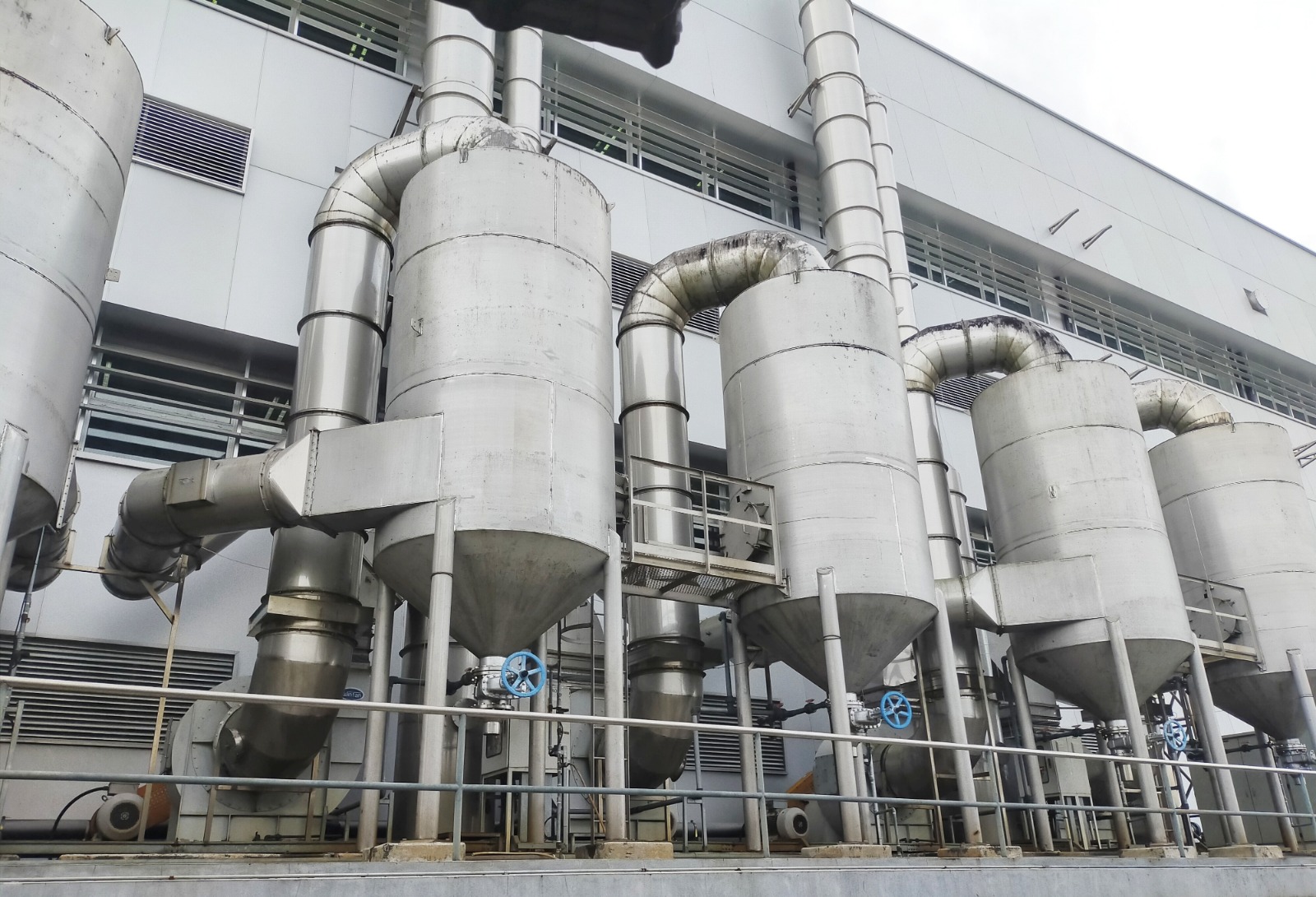
Industrial processes often generate exhaust streams containing a complex mix of pollutants, including acidic gases, heavy particulate matter, and noxious odors. Effective air pollution control is paramount for regulatory compliance, environmental protection, and worker safety. A wet scrubber is a multi-stage industrial air pollution control device that utilizes water or neutralizing chemical solutions to remove these contaminants. Dirty gas is driven through a washing tower where high-pressure liquid completely saturates and captures pollutants, achieving high removal efficiencies for targeted substances. Enhancing the efficiency of these systems is a continuous engineering challenge that requires a deep understanding of design principles, operational parameters, and diligent maintenance practices.
Understanding Wet Scrubber Fundamentals
Wet scrubbers operate on the principle of mass transfer and particulate capture through intimate contact between the contaminated gas stream and a scrubbing liquid. This contact can be achieved through various designs, including gas-washing, absorber, venturi, and tower-type solutions. Each design is optimized for specific types of pollutants and process conditions, such as corrosive gases, acid vapors, and soluble contaminants.
Key Mechanisms for Pollutant Removal:
- Impaction and Interception: Particulate matter, especially larger particles, collides with liquid droplets and becomes entrained.
- Diffusion: Sub-micron particles, due to Brownian motion, diffuse to the surface of liquid droplets and are absorbed.
- Absorption: Gaseous pollutants dissolve into the scrubbing liquid. This is often enhanced by chemical reactions with reagents present in the liquid.
- Condensation: Hot, humid gas streams can be cooled, causing condensable pollutants to form liquid droplets that are then captured.
Design Considerations for Enhanced Efficiency
The initial design of a wet scrubber system significantly dictates its potential for efficiency. Optimizing key design parameters is crucial.
1. Liquid-to-Gas Ratio (L/G)
The L/G ratio is a critical parameter, representing the volume of scrubbing liquid per unit volume of gas. A higher L/G ratio generally increases the contact surface area and residence time, leading to better pollutant capture. However, excessively high L/G ratios can lead to increased pumping costs, higher liquid consumption, and potential re-entrainment of captured pollutants. The optimal L/G ratio is determined by the specific pollutant, its concentration, and the desired removal efficiency.
2. Pressure Drop
Pressure drop across the scrubber is directly related to the energy input required to move the gas stream. In Venturi Scrubbers, for instance, a higher pressure drop typically correlates with increased turbulence and finer droplet formation, which improves the capture of fine particulate matter. However, this comes at the cost of higher fan power consumption. Balancing removal efficiency with energy expenditure is a key design tradeoff.
3. Nozzle Selection and Placement
The type, size, and arrangement of spray nozzles are vital for creating an effective spray pattern and droplet size distribution. Smaller droplets offer a larger surface area for mass transfer but are more prone to drift and re-entrainment. Larger droplets provide better penetration into the gas stream but have less surface area. Proper nozzle selection ensures uniform liquid distribution and optimal gas-liquid contact.
4. Packing Material (for Packed Towers)
In Chemical Absorption Scrubbers and packed towers, the choice of packing material (e.g., rings, saddles, structured packing) influences the available surface area for mass transfer, pressure drop, and resistance to fouling. Materials must be chemically resistant to both the scrubbing liquid and the pollutants. The packing design aims to maximize contact while minimizing channeling and pressure drop.
5. Mist Eliminator Design
A highly efficient mist eliminator is essential to prevent liquid droplets from exiting with the treated gas stream. Chevrons, mesh pads, or fiber bed mist eliminators are common. Their design must balance high removal efficiency with low pressure drop and resistance to fouling.
Operational Strategies for Sustained Performance
Even a well-designed scrubber requires meticulous operational management to maintain peak efficiency.
1. pH and Chemical Reagent Control
For chemical absorption scrubbers, maintaining the optimal pH and concentration of chemical reagents (e.g., caustic soda for acid gases, oxidizers for odors) is paramount. Automated dosing systems with real-time pH and ORP (Oxidation-Reduction Potential) monitoring can ensure consistent chemical reactions and prevent reagent overuse or underuse, both of which reduce efficiency.
2. Recirculation and Blowdown Management
The scrubbing liquid is often recirculated to conserve water and chemicals. However, pollutants accumulate in the recirculating liquid, which can reduce its absorption capacity and lead to scaling or fouling. Regular blowdown (draining a portion of the liquid) and makeup water addition are necessary to maintain the desired concentration of active chemicals and prevent saturation with pollutants.
3. Gas Flow and Temperature Control
Maintaining a stable gas flow rate within the scrubber's design parameters is crucial. Fluctuations can lead to inefficient contact or excessive pressure drop. Similarly, controlling the inlet gas temperature can impact the solubility of gaseous pollutants and prevent issues like condensation or evaporation that affect scrubber performance.
4. Monitoring and Instrumentation
Continuous monitoring of key operational parameters such as pressure drop, L/G ratio, pH, ORP, liquid levels, and outlet emissions provides real-time data for performance assessment. Advanced control systems can use this data to automatically adjust parameters and optimize efficiency.
Maintenance Practices for Long-Term Reliability
Neglecting maintenance can rapidly degrade scrubber performance, leading to increased emissions and operational costs.
1. Regular Inspection and Cleaning
Routine visual inspections of nozzles, packing, mist eliminators, and internal surfaces are essential to detect signs of fouling, scaling, corrosion, or wear. Nozzles can become clogged, leading to uneven liquid distribution. Packing can foul, increasing pressure drop and reducing contact area. Mist eliminators can become blinded, causing liquid carryover. Regular cleaning schedules, often involving high-pressure washing or chemical cleaning, are critical.
2. Pump and Fan Maintenance
The recirculation pump and the exhaust fan are the heart of the scrubber system. Regular checks of bearings, seals, impellers, and motor performance are necessary. Worn pump impellers reduce flow, and fan imbalances or wear reduce gas flow, directly impacting scrubber efficiency.
3. Sludge Removal and Disposal
Captured particulate matter and reaction byproducts form sludge in the scrubber sump. Regular removal of this sludge prevents it from accumulating, which can reduce liquid volume, clog pumps, and interfere with proper operation. Proper disposal of this waste is also a critical environmental consideration.
4. Material Integrity Checks
Wet scrubbers often handle corrosive substances. Regular inspection of the scrubber vessel's material integrity, including liners and coatings, is vital to prevent leaks and structural damage. Prompt repair of any corrosion or erosion extends the system's lifespan and prevents catastrophic failures.
Industry-Specific Applications and Advantages
Wet scrubber systems, including Venturi Scrubbers and Chemical Absorption Scrubbers, offer robust solutions across various heavy industries due to their versatility in handling diverse pollutant types.
- Cement Industry: Wet scrubbers are effective in capturing fine particulate matter from kiln exhaust and controlling acid gases like SOx, which can be generated from fuel combustion or raw material composition.
- Steel Industry: Applications include controlling fumes and particulate from electric arc furnaces, basic oxygen furnaces, and pickling lines, as well as managing acid gases and odors.
- Chemical Processing: These systems are indispensable for removing highly corrosive acid vapors (e.g., HCl, H2SO4, HF), soluble organic compounds, and various odors generated during chemical reactions, storage, and transfer operations.
- Waste-to-Energy and Incineration: Wet scrubbers are critical for removing acid gases (HCl, SOx, NOx), heavy metals, and dioxins from combustion exhaust streams.
Frequently Asked Questions (FAQ)
Q1: What is the primary factor affecting the efficiency of a Venturi Scrubber for particulate removal?
A1: For a Venturi Scrubber, the primary factor affecting particulate removal efficiency is the pressure drop across the venturi throat. A higher pressure drop generally leads to increased gas velocity, finer liquid droplet formation, and more intense gas-liquid contact, which enhances the capture of fine particles. However, this also increases energy consumption.
Q2: How does pH control specifically impact the performance of a Chemical Absorption Scrubber?
A2: In a Chemical Absorption Scrubber, pH control is critical because the solubility and reaction rate of many gaseous pollutants with the scrubbing liquid are highly dependent on pH. For example, acidic gases react most effectively with alkaline solutions. Maintaining the optimal pH ensures that the chemical reagents are in their most reactive form, maximizing the absorption and neutralization of pollutants.
Q3: What are common maintenance challenges that can lead to reduced wet scrubber efficiency?
A3: Common maintenance challenges include nozzle clogging, which leads to uneven liquid distribution; fouling or scaling of packing material and mist eliminators, increasing pressure drop and reducing contact area; and wear or corrosion of internal components, pumps, and fans, which can reduce flow rates and overall system integrity. Regular inspection and cleaning are essential to mitigate these issues.
Conclusion
Achieving and sustaining high efficiency in industrial wet scrubber systems is a multifaceted endeavor that integrates thoughtful design, precise operational control, and rigorous maintenance. By focusing on parameters such as L/G ratio, pressure drop, chemical management, and proactive component inspection, plant operators can ensure their air pollution control systems perform optimally, meeting environmental standards and protecting personnel. Continuous optimization is key to maximizing the return on investment in these critical industrial assets.