 Türkçe
 English
 العربية
 Deutsch
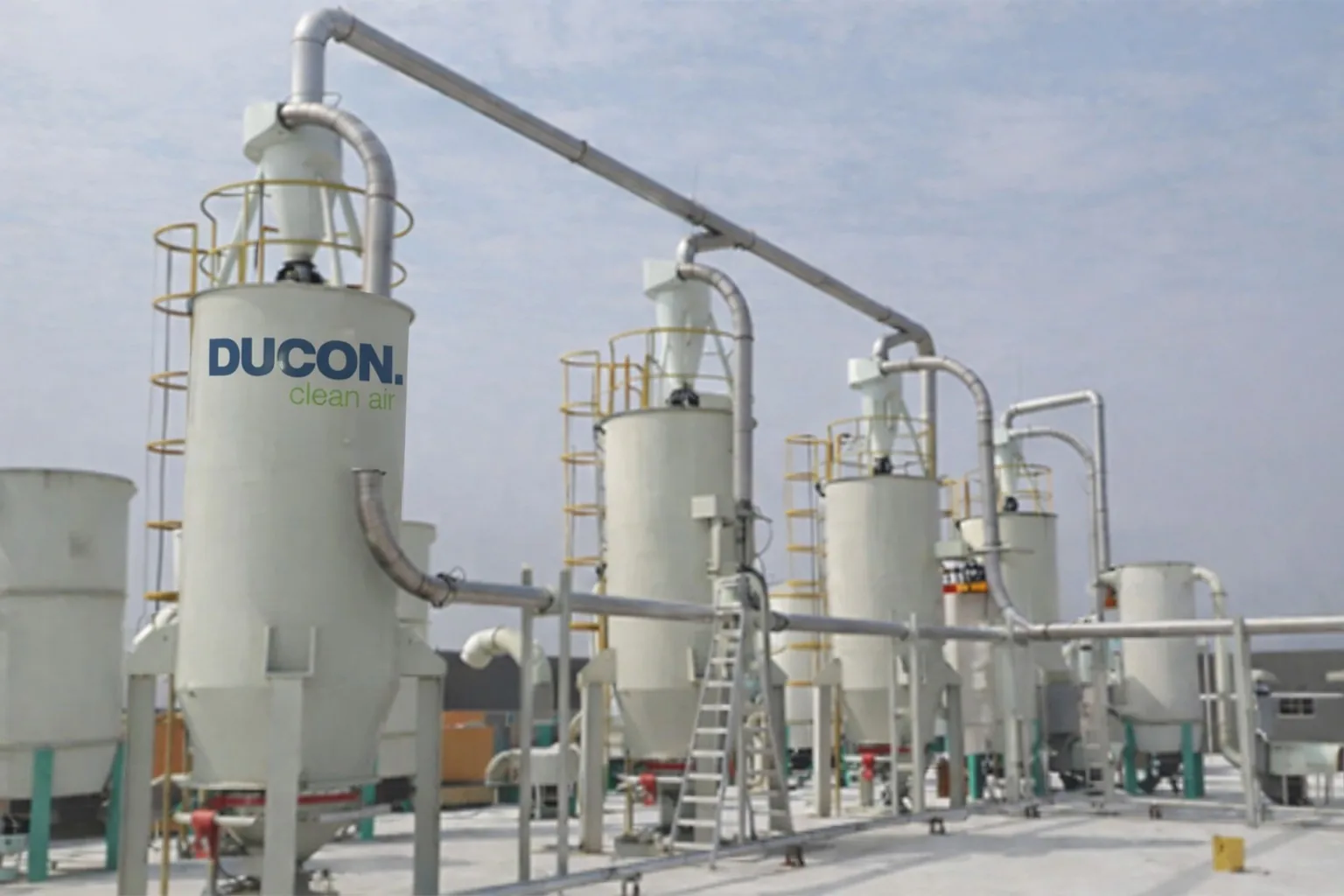
نقل المساحيق والمواد السائبة
نظام النقل الهوائي لمناولة المساحيق والمواد السائبة
أرسل تفاصيل مشروعك واحصل على تقييم هندسي أولي
نقوم بهندسة أنظمة النقل الهوائي (Pneumatic Conveying) بالطور المخفف (Dilute Phase) والطور الكثيف (Dense Phase) وناقلات التفريغ وخطوط النقل بالضغط للمساحيق والحبيبات والمواد السائبة استنادًا إلى سلوك المادة والسعة وطول المسار وتخطيط المنشأة. قبل قرار الشراء، نوضح مسار الحل القابل للتطبيق استنادًا إلى معدل التدفق ونوع الغبار/الغاز ودرجة الحرارة والسعة وبيانات القطاع.
+90 212 356 78 70 · +90 555 802 30 04 · info@mdsjprocess.com
نستهدف أول رد فني خلال 24 ساعة عمل؛ الهاتف/WhatsApp أسرع في حالات التوقف الطارئ أو مشاكل الموقع.
- التركيز
- النقل الهوائي
- الطور
- Dilute / Dense Phase
- المادة
- مساحيق وحبيبات
الثقة قبل القرار
لنتحدث عبر صور الموقع والمخططات ومعايير القطاع
الهدف من هذه الصفحة ليس عرض كتالوج؛ بل الوصول سريعًا إلى منطق التطبيق الأقرب لمشكلة منشأتك.
منطق التطبيقات المماثلة
يتم تحديد عائلة الحلول المرجحة وفق القطاع وتدفق الهواء ونوع العملية.
مراجعة صور الموقع / الرسومات
عند مشاركة الصور أو الرسومات، يمكن قراءة التخطيط والقنوات والمروحة ونطاق المعدات بشكل أسرع.
تقييم النظام القائم
يتم فحص تدفق الهواء وتسرب الغبار وفرق الضغط وعمر الأكياس أو مشاكل الانبعاثات لتحديد إمكانية التعديل.
معايير خاصة بكل قطاع
لا ينبغي تقييم عمليات الأسمنت والمعادن والأغذية والكيماويات والتعدين والطاقة بقالب عرض واحد.
لزوار الإعلانات المدفوعة
ننطلق من مشكلة العملية، وليس من اسم المنتج فقط
العرض الصحيح لمعالجة الغبار أو الغازات الصناعية يأتي من قراءة نوع المعدات وظروف الموقع والحدود المستهدفة والمشكلة الحالية معًا.
تسرب الغبار / غبار المدخنة
تتم مراجعة مساحة الترشيح واختيار الأكياس وأداء المروحة وفواقد القنوات معًا.
ضعف الشفط / تدفق الهواء
يتم الفصل بين نقاط الشفط ومسار القنوات وفاقد الضغط ونقطة تشغيل المروحة.
إزالة الغازات / الروائح
يحدد تركيب الغاز ودرجة الحرارة وكيمياء السائل ونسبة الإزالة المستهدفة نوع الـ Scrubber.
زيادة السعة
القرار الأول هو ما إذا كان تعديل النظام القائم أم النظام الجديد هو المسار الصحيح.
قائمة التحقق الفنية لطلب العرض (RFQ)
ما البيانات الكافية للتقييم الهندسي الأولي؟
يمكنك إرسال النموذج حتى لو لم تكن تعرف كل هذه البيانات. لكن توفر 2-3 منها يجعل التوجيه الفني الأول أكثر دقة.
ملاءمة الإعلان
ما عمليات البحث التي تجيب عنها هذه الصفحة؟
تبدأ عمليات البحث عن النقل الهوائي عادةً بالمادة والسعة والمسافة. توضح هذه الصفحة القرارات الفنية قبل التسعير.
الحالات التي يناسب فيها هذا الحل
الحاجة إلى نقل المساحيق أو الحبيبات أو المواد السائبة عبر خط أنابيب مغلق
ضرورة حساب السعة وطول المسار وفرق الارتفاع معًا
أهمية النظافة وسهولة التنظيف في عمليات الأغذية أو الكيماويات أو المعادن أو البلاستيك
الحاجة إلى بديل مغلق ومرن للنقل الميكانيكي
البيانات الأولية اللازمة لإعداد عرض دقيق
اسم المادة والكثافة الظاهرية وحجم الجسيمات وسلوك التدفق
السعة بالساعة ومسافة النقل وفرق الارتفاع
نقاط التغذية والتفريغ ومعلومات الصوامع أو القواديس
الرطوبة والقابلية للكشط وهشاشة المادة ومخاطر الانفجار
نطاق التوريد النموذجي للنظام
في النقل الهوائي، قد تتطلب السعة نفسها معدات مختلفة تمامًا باختلاف المواد. يجب مراجعة سلوك المادة ومسافة النقل وفرق الضغط قبل الوصول إلى سعر موثوق.
اختيار نظام النقل الهوائي: Dilute Phase أو Dense Phase أو بالتفريغ أو بالضغط
تكامل النافخة/الضاغط والصمام الدوار (Rotary Valve) وصمام التحويل والفلتر
قطر الأنابيب وتخطيط المسار والأتمتة وتسلسل التحكم
التركيب والتشغيل ووثائق المشغل
مجالات التطبيق
القطاعات والتطبيقات
لماذا يُعد التواصل المباشر أفضل من النموذج؟
مساحيق الأسمنت والجير والمعادن الصناعية والتعدين
الأغذية والسكر والدقيق والنشا والعمليات الصحية
الكيماويات والبلاستيك والأدوية والمواد المضافة
خطوط الطاقة والرماد والنفايات ومناولة المواد السائبة
الأسئلة الشائعة
ما الفرق بين الطور الكثيف (Dense Phase) والطور المخفف (Dilute Phase)؟ +
يستخدم النقل بالطور المخفف سرعة نقل أعلى وتركيز مواد أقل، بينما يستخدم الطور الكثيف سرعة أقل وتركيز مواد أعلى، وهو ما يفيد غالبًا مع المواد الهشة أو الكاشطة.
ما الذي يحدد سعر النقل الهوائي؟ +
تحدد خصائص المادة والسعة وطول المسار وفرق الارتفاع ونطاق المعدات والأتمتة وظروف التركيب في الموقع السعر.
هل هذا النظام مخصص لأنظمة الأنابيب الهوائية في المستشفيات؟ +
لا. هذه الصفحة مخصصة لمناولة المواد السائبة الصناعية ونقل المساحيق، وليست لنقل المستندات أو الكبسولات في المستشفيات.
هل يمكن ترقية خط نقل قائم؟ +
نعم. يمكن مراجعة النافخة الحالية وقطر الأنابيب والفلتر والصمام الدوار وفرق الضغط لزيادة السعة أو تعديل الخط.