 Türkçe
 English
 العربية
 Deutsch
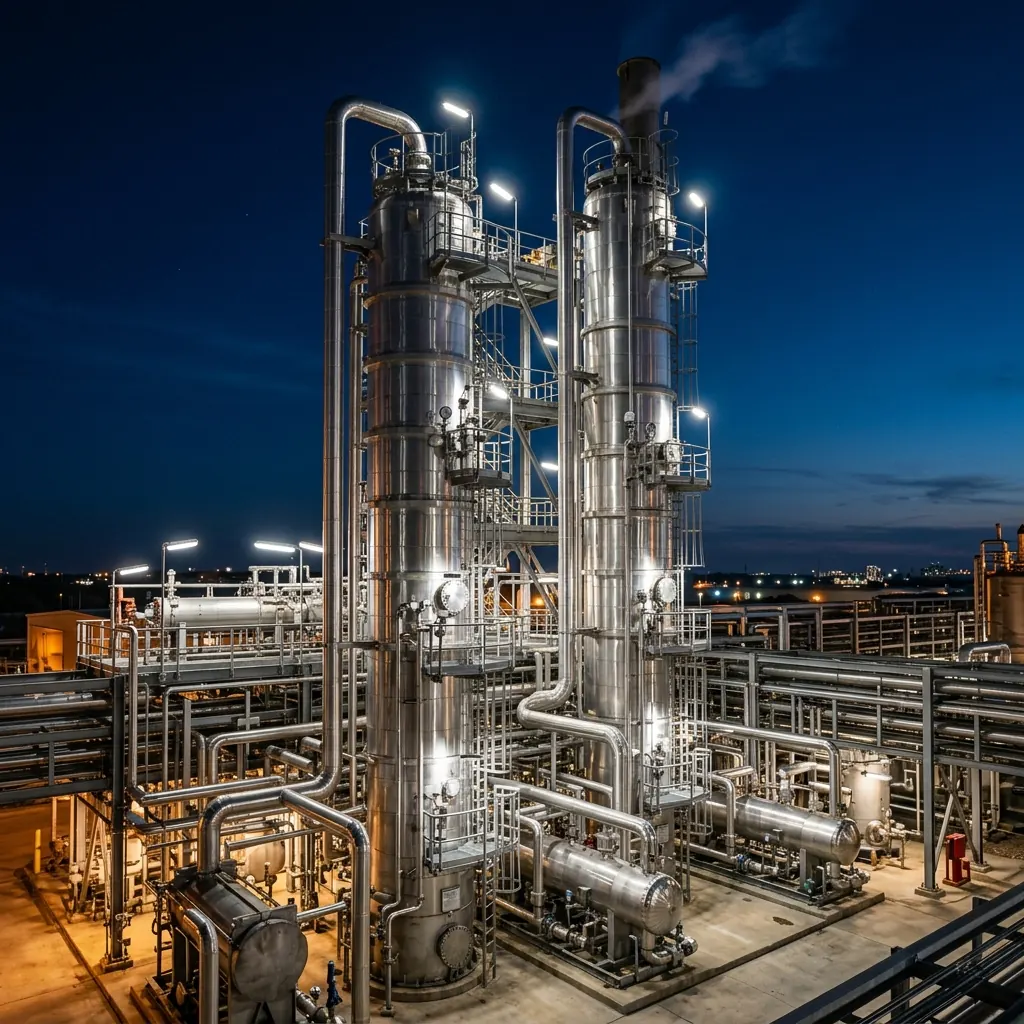
Chemical gas cleaning
Flue gas treatment and chemical scrubber system
Send project details and get an engineering pre-assessment
For acid gas, HCl, SO2, odor, biogas sulfur removal and process emissions, we engineer scrubber type, dosing, demister, fan and material selection around real gas data. Before a purchasing decision, we clarify the applicable solution path from flow rate, dust/gas type, temperature, capacity and industry data.
+90 212 356 78 70 · +90 555 802 30 04 · info@mdsjprocess.com
First technical response is targeted within 24 business hours; phone/WhatsApp is faster for urgent downtime or site issues.
- Focus
- Flue gas treatment
- Pollutant
- Acid gas, SO2, HCl, odor
- Scope
- Scrubber, fan, dosing
Proof before decision
Discuss with site photos, sketches and industry criteria
The point of this page is not to show a catalogue; it is to quickly find the application logic closest to your plant problem.
Comparable application logic
The likely solution family is narrowed by industry, airflow and process type.
Site photo / drawing review
If photos or drawings are shared, layout, ducting, fan and equipment scope can be read faster.
Existing system evaluation
Airflow, dust leakage, pressure drop, bag life or emission problems are checked for retrofit potential.
Industry-specific criteria
Cement, metal, food, chemical, mining and energy processes should not use one generic quote template.
For paid-search visitors
We start from the process problem, not only the product name
A correct industrial dust or gas treatment quote comes from reading equipment type, site conditions, target limits and the current problem together.
Dust leakage / stack dust
Filtration area, bag selection, fan duty and duct losses are reviewed together.
Low suction / airflow
Extraction points, duct routing, pressure loss and fan operating point are separated.
Gas / odor removal
Gas composition, temperature, liquid chemistry and target removal define scrubber type.
Capacity increase
The first decision is whether retrofit or a new system is the right path.
Technical RFQ checklist
What is enough for an engineering pre-assessment?
You can still submit the form if you do not know all of these. If 2-3 are available, the first technical direction is more accurate.
Ad relevance
Search intent this page answers
Gas treatment searches need more process detail than a general scrubber page. This page is built for technical offer preparation.
When this solution fits
Acid gas, odor or soluble contaminants are present
Chemical washing and dosing are required
Material selection depends on corrosion risk
Existing systems exceed limits or create odor complaints
Initial data needed for a correct offer
Gas flow, temperature, humidity and contaminant levels
Target emission limit or permit requirements
pH, dosing and wastewater information
Stack, fan, duct and site layout photos
Typical system scope
Gas treatment cannot be priced reliably from an equipment name alone. Gas analysis, corrosion, pH and target limits define the correct material and dosing scope.
Scrubber type and chemical absorption review
Dosing, circulation pump, nozzles and demister
FRP, PP, stainless or coated material selection
Fan, ducting, automation and commissioning support
Application fit
Industries and applications
Why direct technical contact matters
Chemical and petrochemical processes
Flue gas treatment and emission control
Biogas sulfur removal and odor control
Surface treatment and waste gas lines
FAQ
How is a flue gas treatment system selected? +
Gas flow, temperature, pollutant type, target limit and corrosion risk are reviewed together to select scrubber type, dosing and materials.
Which scrubber is used for acid gas removal? +
Packed bed, tray or chemical washing scrubbers are commonly evaluated for HCl, SO2 and similar acid gases.
Is a gas analysis report required for an offer? +
It is not always required, but gas analysis, flow and temperature data make the capacity and chemical selection much more reliable.