 Türkçe
 English
 العربية
 Deutsch
Dry Filtration (Baghouse) or Wet Scrubbing? A Selection Guide
The first and most decisive choice in any emission project is this: dry filtration (baghouse / fabric filter) or wet scrubbing (gas scrubber)? Both remove pollutants, but they solve different problems. Starting with the wrong technology means an expensive retrofit later. This guide summarizes how to pick the right path for your gas, based on our engineering experience since 1986.
The core difference: dust or gas?
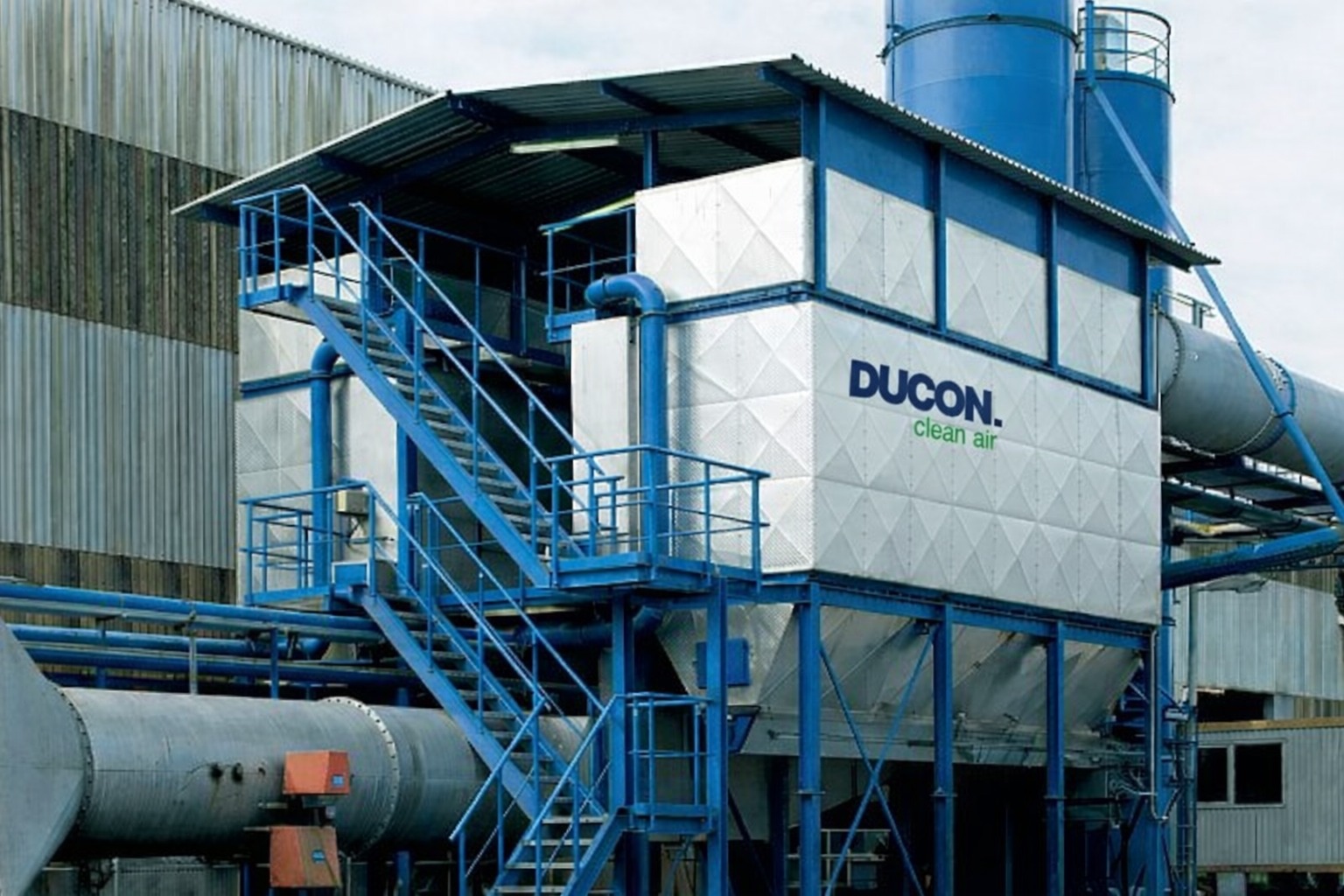
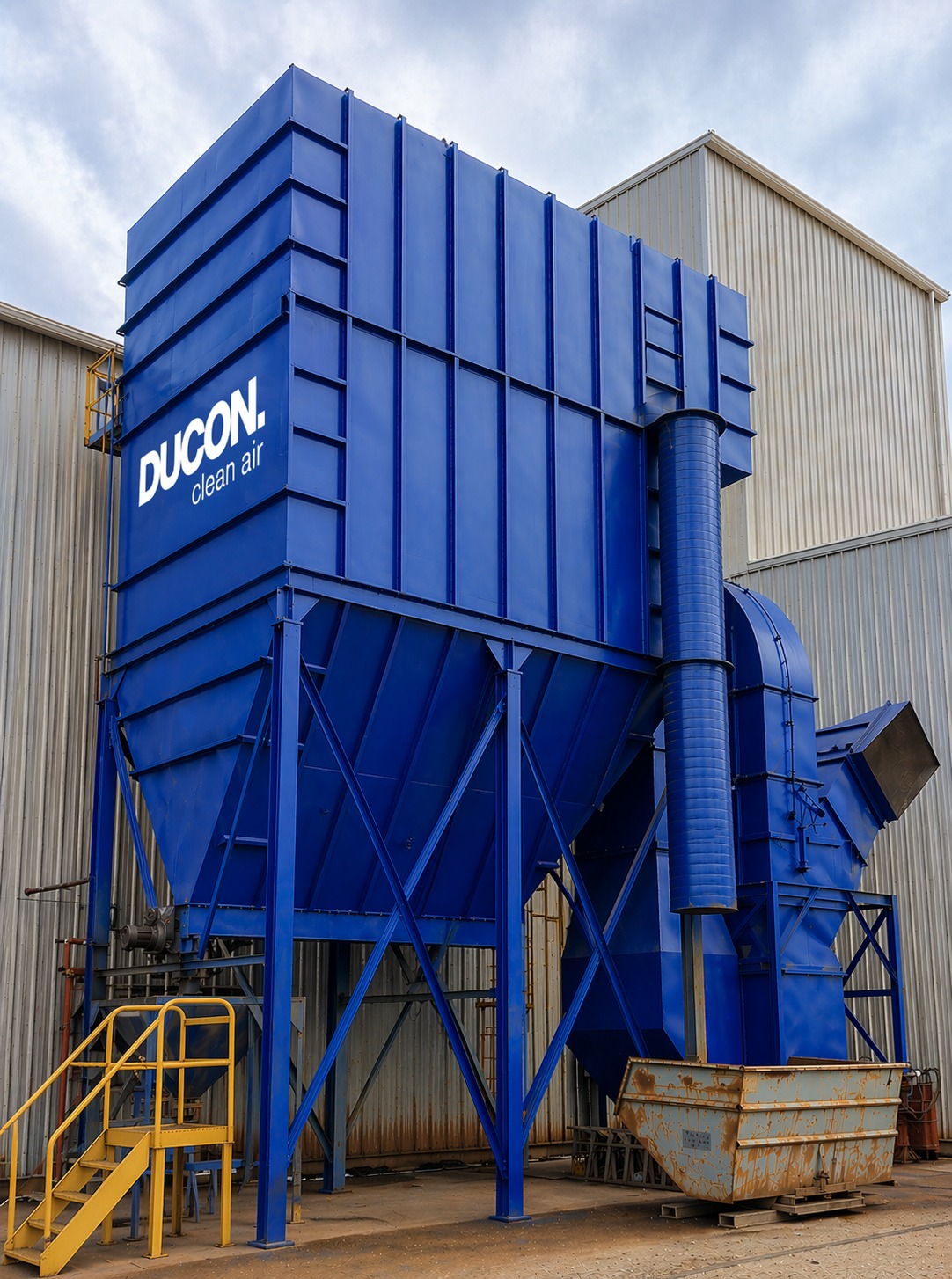
Dry filtration (baghouse/jet-pulse and cartridge filters) captures dust dry on the surface of a filter medium; clean gas passes through and the collected dust is periodically pulsed into a hopper. It is strongest at particulate removal — up to 99.9% efficiency including PM10/PM2.5.
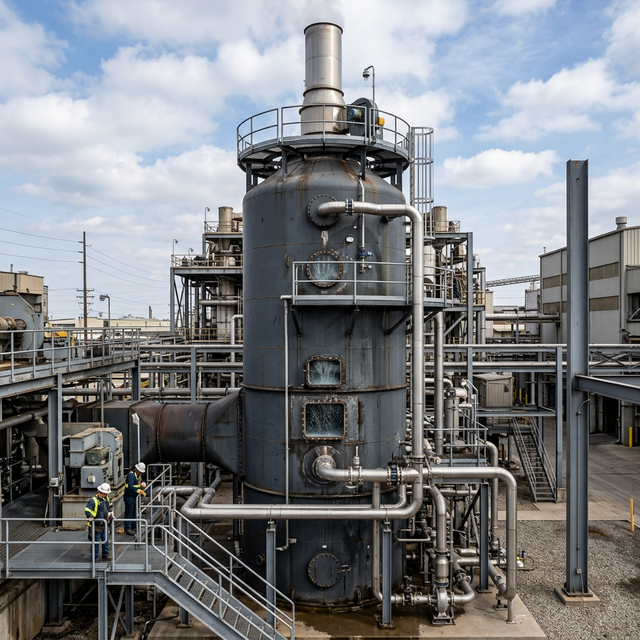
Wet scrubbing (venturi, packed-bed, spray-tower scrubbers) contacts the gas with a liquid (water or a chemical solution); particulate is captured in the liquid and soluble and acid gases (SO2, HCl, HF, NH3, H2S) are chemically neutralized. It is strongest at gas-phase pollutants, high humidity, sticky/hygroscopic dust, and cooling hot gas at the same time.
Decision matrix
| Criterion | Dry (Baghouse) | Wet (Scrubber) |
|---|---|---|
| Primary target | Dry dust / particulate | Acid gas + particulate together |
| Acid/soluble gas (SO2, HCl) | Cannot remove on its own | Ideal — chemical absorption |
| Gas temperature | Within media limit (~135-260°C) | Cools hot gas + scrubs |
| Humidity / water vapor | Condensation/blinding risk if high | Not a problem — system is wet |
| Sticky / hygroscopic dust | Blinds the bags (risk) | Dissolved/captured in liquid |
| Flammable / explosive dust | Needs ATEX + explosion venting | Wet medium lowers explosion risk |
| Water / wastewater | No water use, dry waste | Water use + wastewater/sludge |
| Recovering valuable dust | Dry dust is recoverable | Wet sludge — hard to recover |
| Pressure drop / energy | Moderate (cleaning design) | High on venturi (fan power) |
When to choose dry (baghouse)
- The pollutant is mainly dry dust/particulate (little or no acid-gas load).
- You want to recover the dust dry (cement raw meal, metal dust, food).
- You want no water/wastewater infrastructure, or you are in a water-scarce site.
- The gas is below the media temperature limit and there is no condensation risk.
Products: baghouse filters, jet-pulse baghouse, plus cartridge dust collector and flat-bag filter for tight spaces.
When to choose wet (scrubber)
- The flue gas contains soluble/acid gases such as SO2, HCl, HF, NH3, H2S.
- The gas is hot and humid, or the dust is sticky/hygroscopic (blinds bags).
- You need cooling + scrubbing at the same time.
- There is a flammable dust/gas risk (a wet medium reduces explosion risk).
Products: wet scrubbers, venturi scrubber, SO2/HCl acid-gas removal, and activated carbon for odor/VOC.
Sometimes you need both
Waste incineration, hazardous waste, and some metallurgical processes contain both dust and acid gas. A typical train: first neutralize the acid gas with dry sorbent injection (DeSOx), then capture both the dust and the reaction products in a baghouse filter, and if needed polish mercury/dioxins with activated carbon as a final stage. Alternatively, wet scrubbing removes particulate + acid gas in one step. The right train is set from the flue-gas analysis.
What about ESP (electrostatic precipitator)?
Electrostatic precipitators collect dust at very high flow and temperature with low pressure drop; however, on fine particulate (PM2.5) and high-resistivity dust they struggle to reach the low emissions a baghouse achieves. Under today's strict limits many plants convert from ESP to baghouse, or use an ESP + baghouse hybrid.
FAQ
Wet scrubber or baghouse — in one sentence?
If it's only dry dust, use a baghouse; if there is acid/soluble gas, high humidity, or sticky dust, use a wet scrubber.
Does a baghouse remove acid gas (SO2, HCl)?
Not on its own. Acid gas needs either a scrubber or dry sorbent injection (DeSOx/DSI) upstream of the baghouse.
What is the difference between a baghouse and an ESP?
An ESP uses an electric field; a baghouse uses physical media. The baghouse reaches lower emissions on fine particulate; the ESP offers low pressure drop at very high flow/temperature.
What are the drawbacks of a wet system?
Water consumption, wastewater/sludge management, and corrosion. A recirculation circuit cuts water use, but the wastewater treatment load remains.
Which is cheaper?
Capital cost is usually lower for a baghouse; but if acid gas is present, a scrubber is unavoidable. The fair comparison is total cost of ownership (energy + maintenance + consumables) after the correct technology is chosen.
Let's determine the right technology together
Under the DUCON brand, MDSJ Process has designed, manufactured, and turnkey-installed dry (baghouse/cartridge), wet (scrubber), and acid-gas systems since 1986. For a free technical assessment of your flue gas, contact us and explore our full product range.