 Türkçe
 English
 العربية
 Deutsch
What is a Baghouse Filter? Working Principle and Industrial Selection Guide
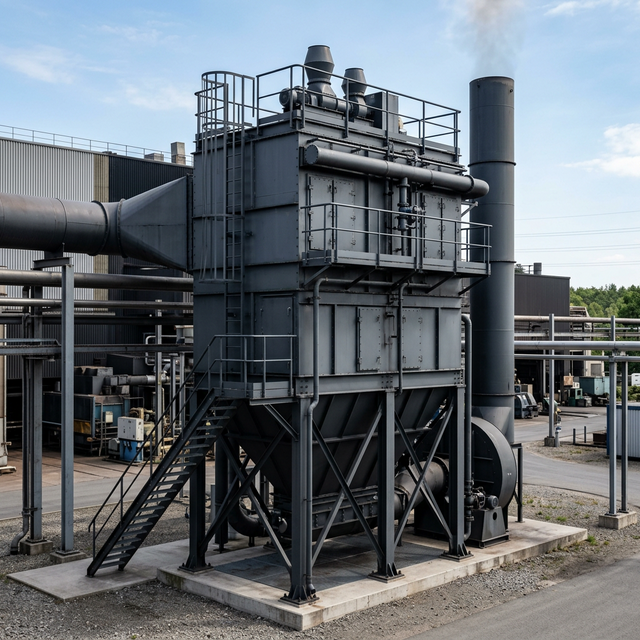
What is a Baghouse Filter?
A baghouse filter is a dry dust collection system that uses fabric filter bags to capture particulate matter from industrial sources. With filtration efficiency exceeding 99.9%, it is one of the most effective particulate control technologies available.
How Does a Baghouse Work?
Dirty air is drawn through the filter bags from outside to inside (or inside to outside). Dust particles accumulate on the fabric surface, forming a dust cake that acts as an additional filtration layer. Periodic cleaning maintains acceptable pressure drop levels.
Cleaning Methods
- Pulse-Jet: Most common method. Instantaneous compressed air shock removes the dust cake. Enables continuous operation.
- Reverse Air: Cleaning with low-pressure reverse airflow. Suitable for delicate fabrics.
- Mechanical Shaker: Dust removal by mechanically shaking the bags. Simple and economical.
Baghouse vs ESP: Which is Better?
Both systems are effective for particulate control but have different advantages. Baghouse offers 99.9%+ efficiency and excels at fine particles (PM2.5), while ESP provides lower pressure drop and energy consumption.
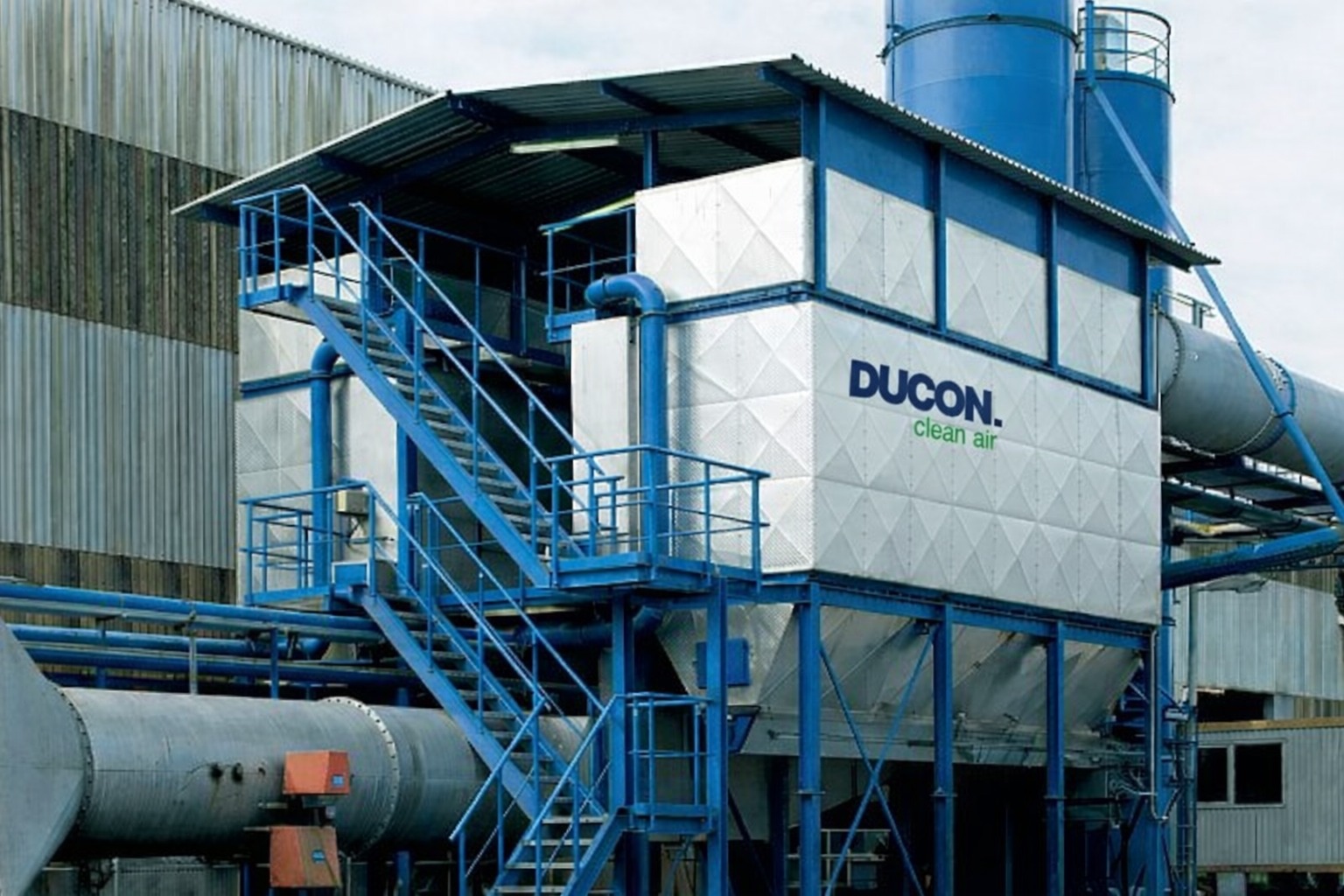
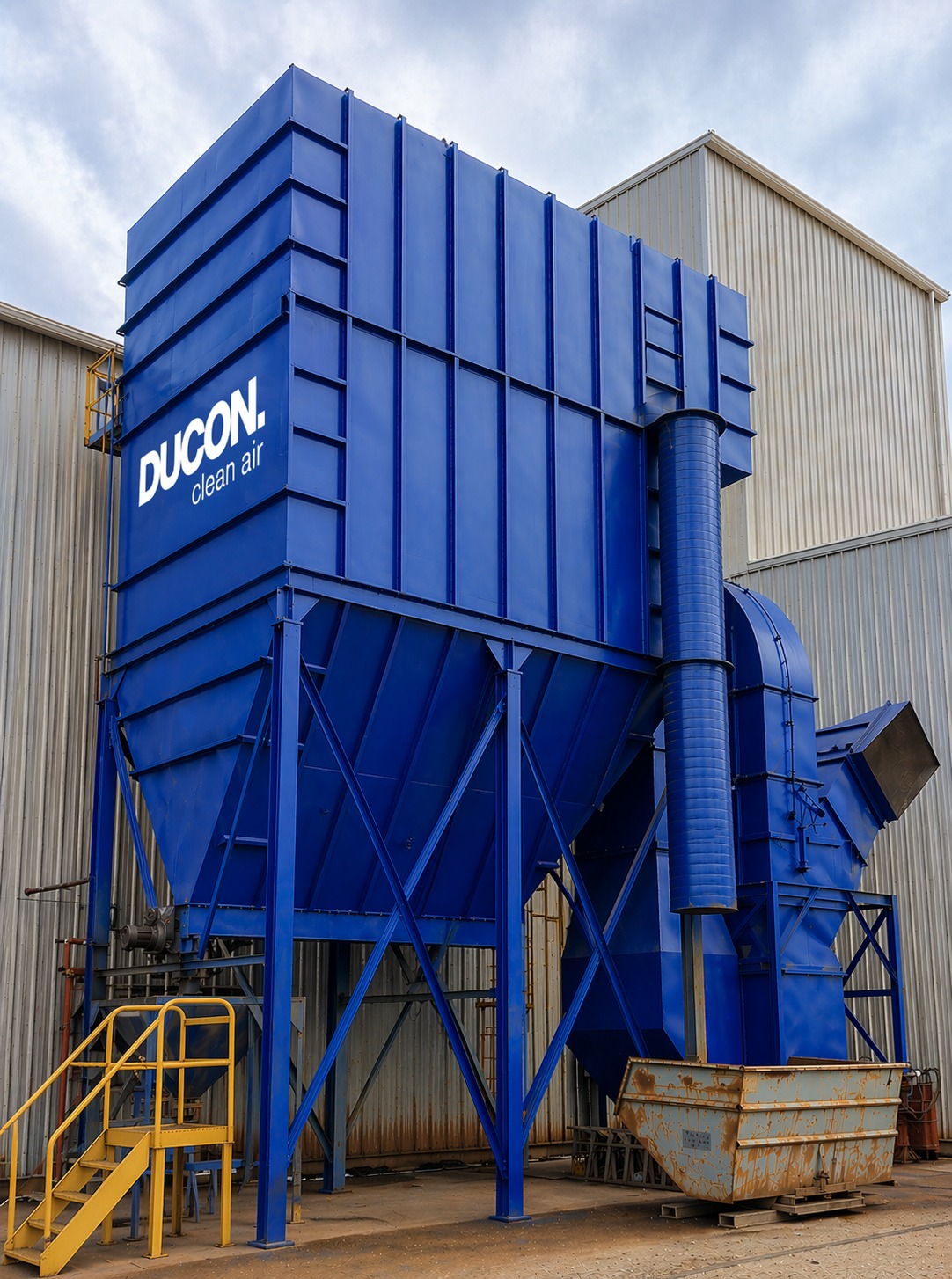
MDSJ Process Baghouse Systems
MDSJ Process designs and manufactures pulse-jet baghouse filter systems under the DUCON brand. We provide customized solutions for cement, iron-steel, mining, food, and chemical industries.