 Türkçe
 English
 العربية
 Deutsch


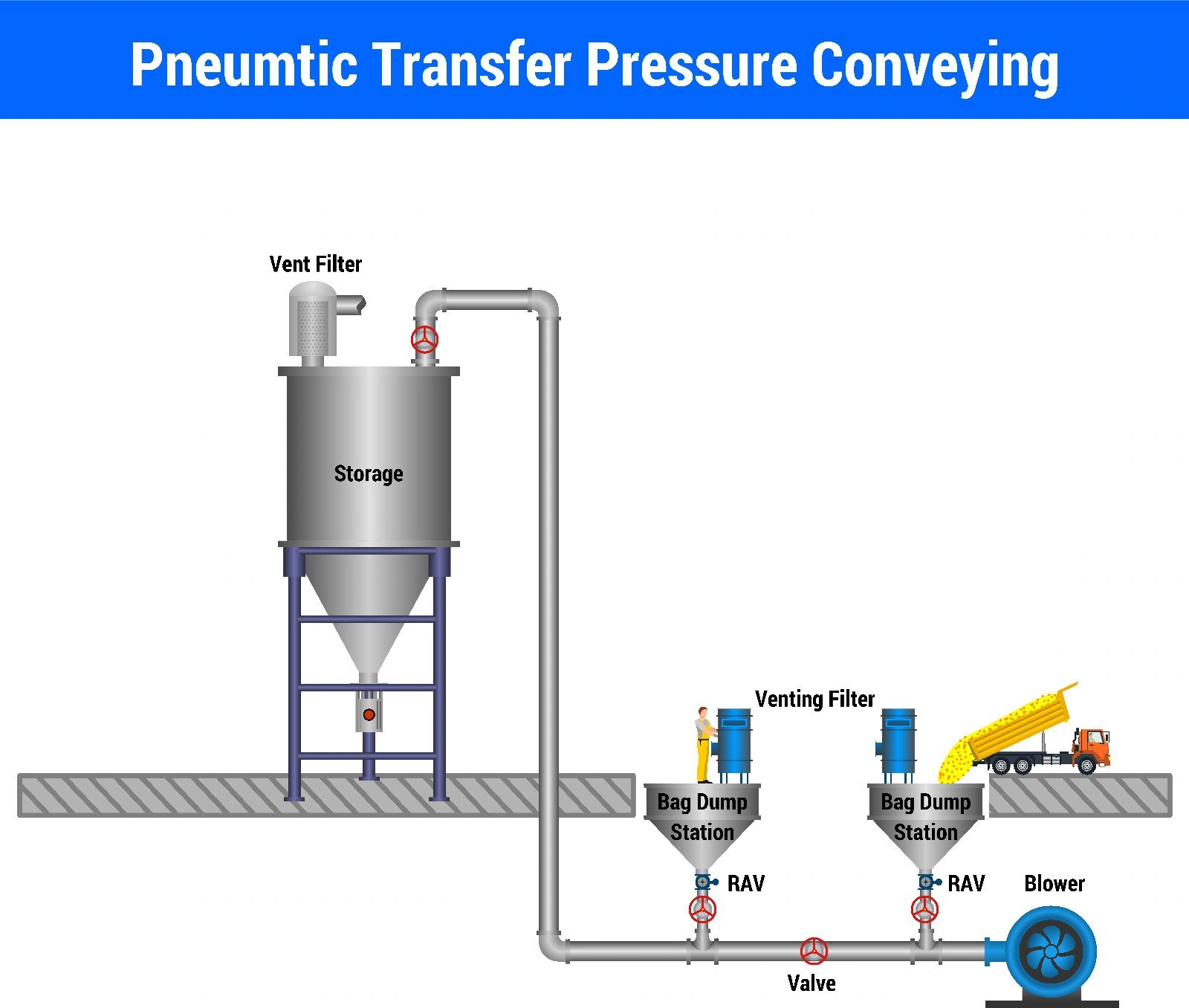
What is a Pneumatic Conveying System?
A pneumatic conveying system is an industrial bulk material transfer technology that transports dry bulk materials (like cement, fly ash, flour, plastic granules) from one point to another through pipelines safely and in a closed circuit using compressed air or vacuum.
- Working Principle: Materials are pushed or vacuumed through the pipeline by the kinetic energy of pressurized air supplied by blowers or compressors.
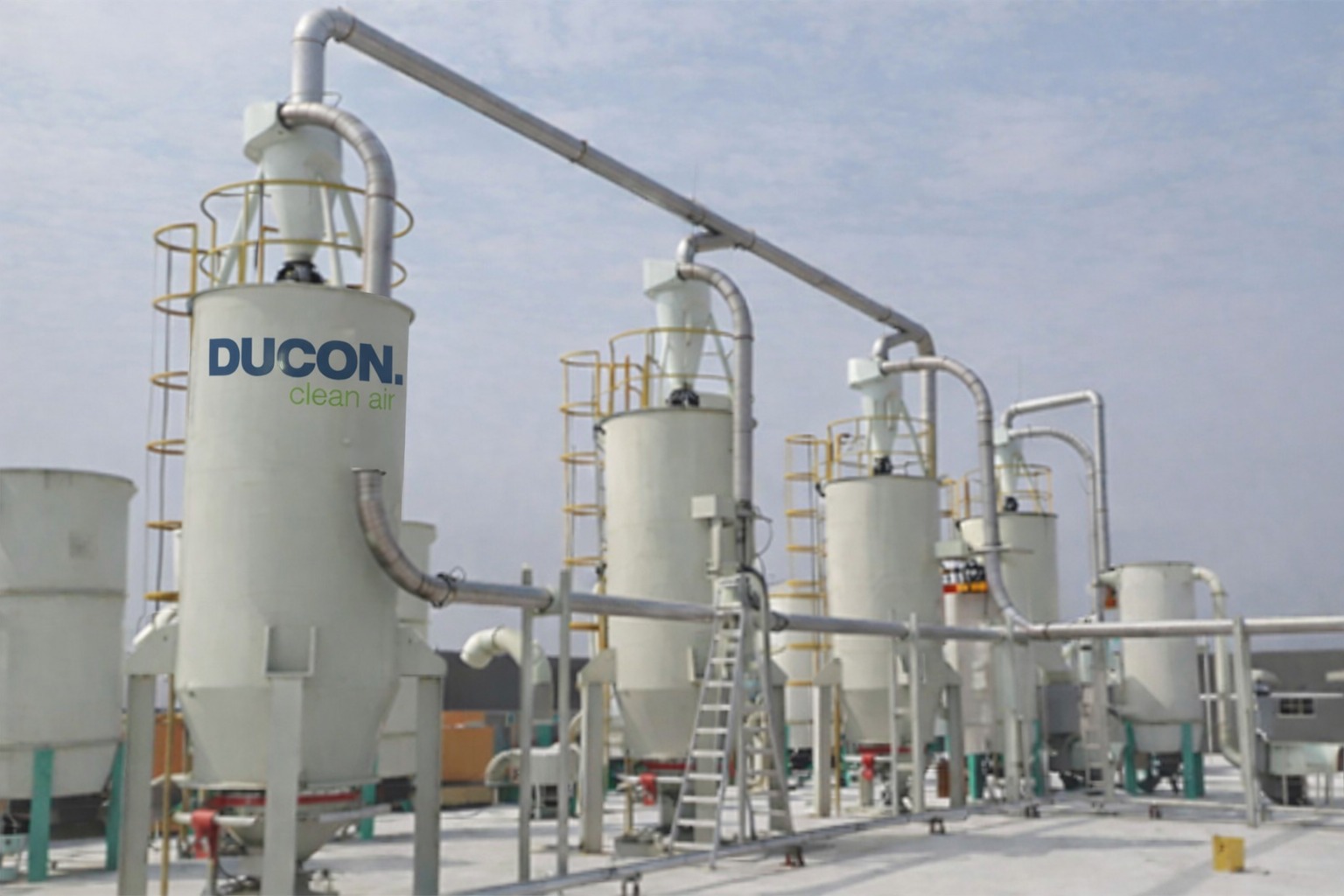
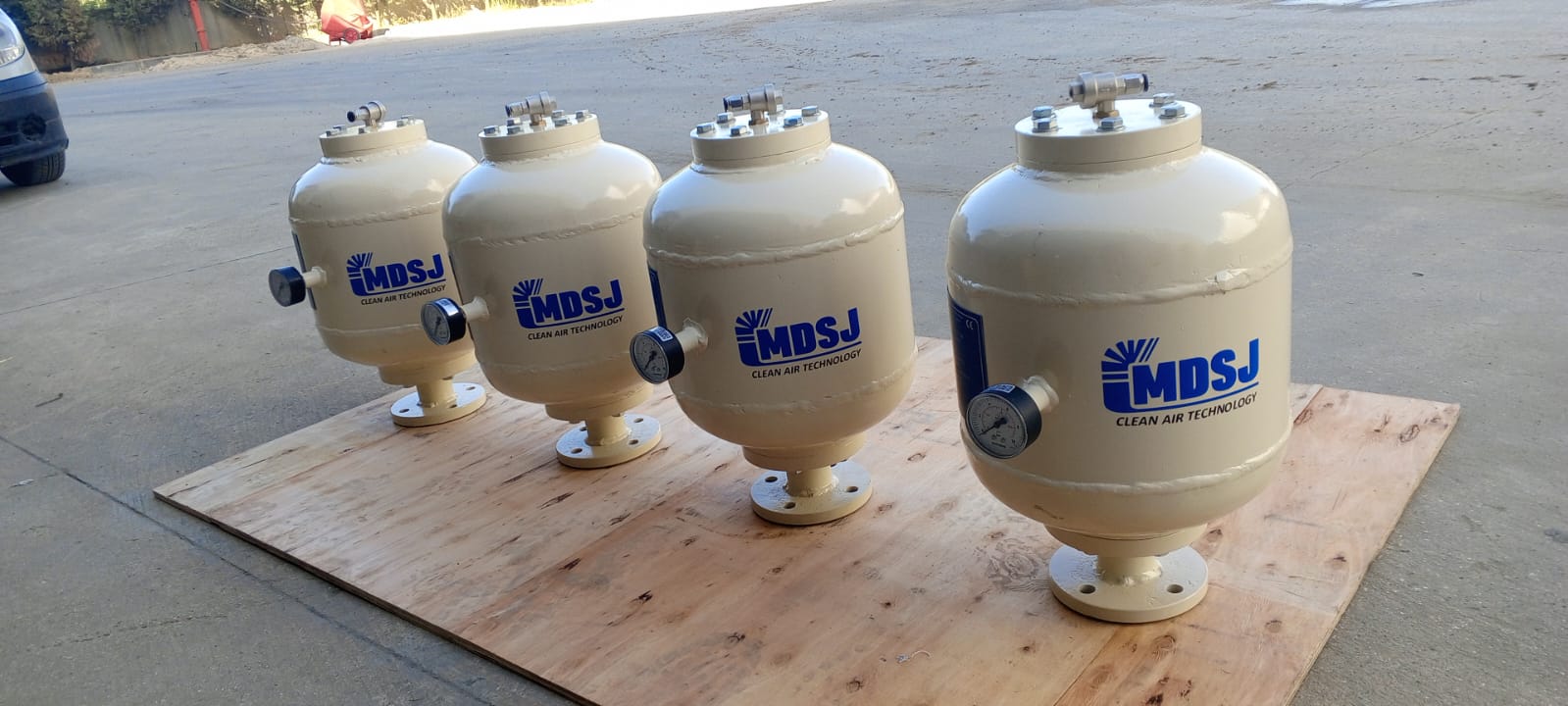
- Dense Phase Conveying (Denseveyor): Transports material in plugs through the pipe at low air velocity and high pressure, minimizing wear and dust generation. Ideal for fly ash and cement.
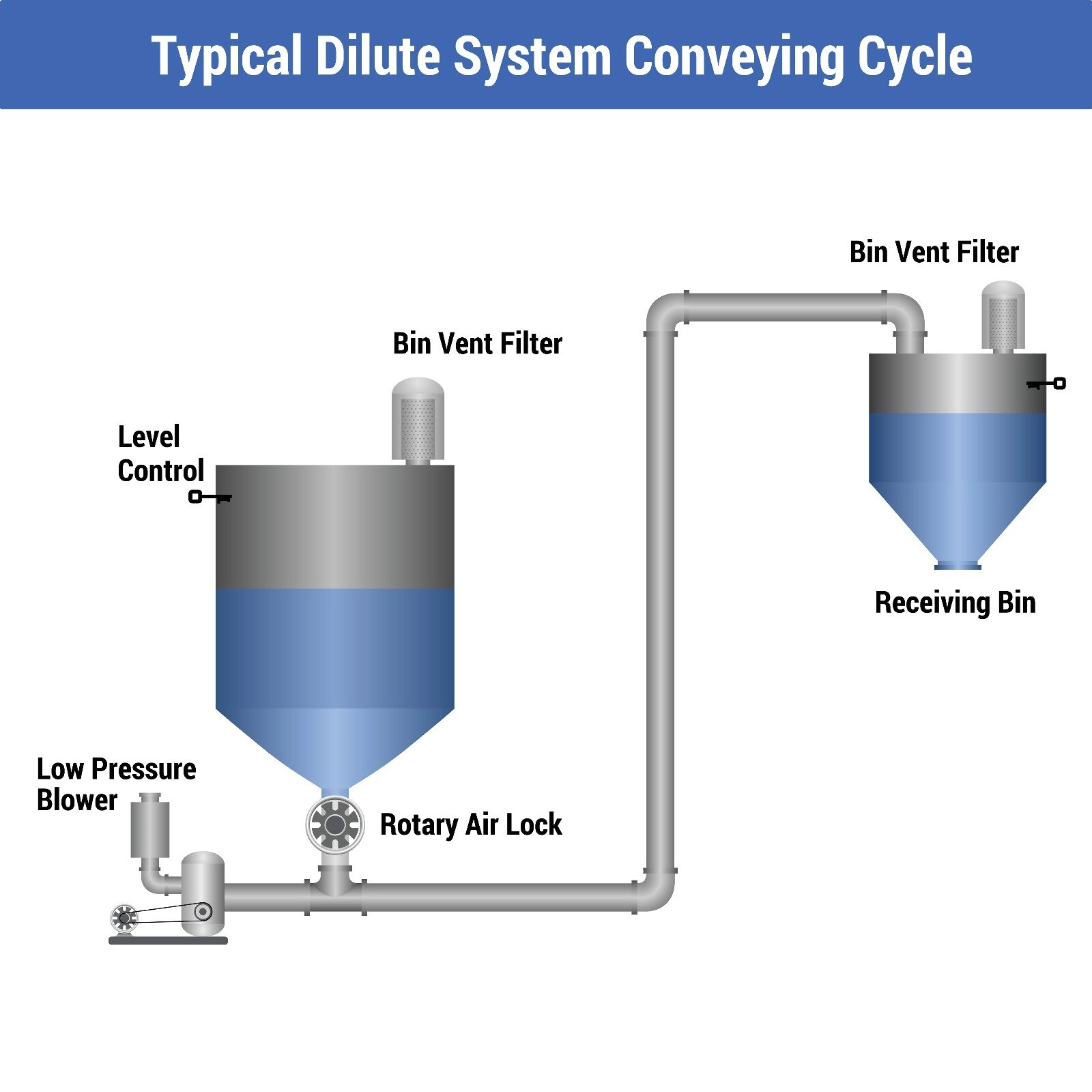
- Dilute Phase Conveying: Efficiently transfers light particles in a continuous suspended flow using high air velocity and low pressure.
- Advantages: Ensures zero dust emission and product loss due to its entirely enclosed design. Offers virtually zero maintenance costs compared to mechanical conveyors.
Pneumatic Conveying
Pneumatic conveying is a process of transferring bulk materials from one location to another in a pipeline by means of gas such as compressed air or nitrogen.
Pneumatic Conveying was developed as an alternative to mechanical systems such as belt conveyors, screw conveyors, drag conveyors etc., and offers such advantages as: Lower maintenance costs
Environmentally friendly and clean due to being a completely enclosed system eliminating dust and spillage of material Smaller foot print and adaptability; pipeline can easily be moved and expanded
There are two primary pneumatic conveying methods:
*Dilute phase
*Dense phase
Each method takes a different approach to transferring dry bulk powders. Both dilute phase and dense phase regimes can be either positive or negative pressure (vacuum).In the dilute phase of conveying, the material in the pipeline travels at a high velocity in a homogeneous mixture with the air. The dense phase, on the other hand, is a high pressure, low-velocity regime where material flows in a bed flow regime (continuous flow), controlled series of slugs (discontinuous flow), or the pipeline is filled with material (solid flow).
1. Dilute phase systems keep material air-suspended by high velocity, low pressure, and low material to air ratio.Dilute Phase Pneumatic Conveying Regime
2. Dense phase introduces a pulse of compressed gas to move a slug of material along the pipeline and is characterized by low velocity, high pressure, and high material to air ratio. Depending on the application, the material can be conveyed in various conveying regimes