
Skip to content
PBV Pressure Balance Booster Valve

PBV Pressure Balance Booster Valve

PBV Pressure Balance Booster ValveMDSJ Clean Air Technology is one of the innovations of a successful and highly efficie...

Contact Us

PBV Pressure Balance Booster Valve

Pneumatic Conveying

DUCON

PBV Pressure Balance Booster Valve

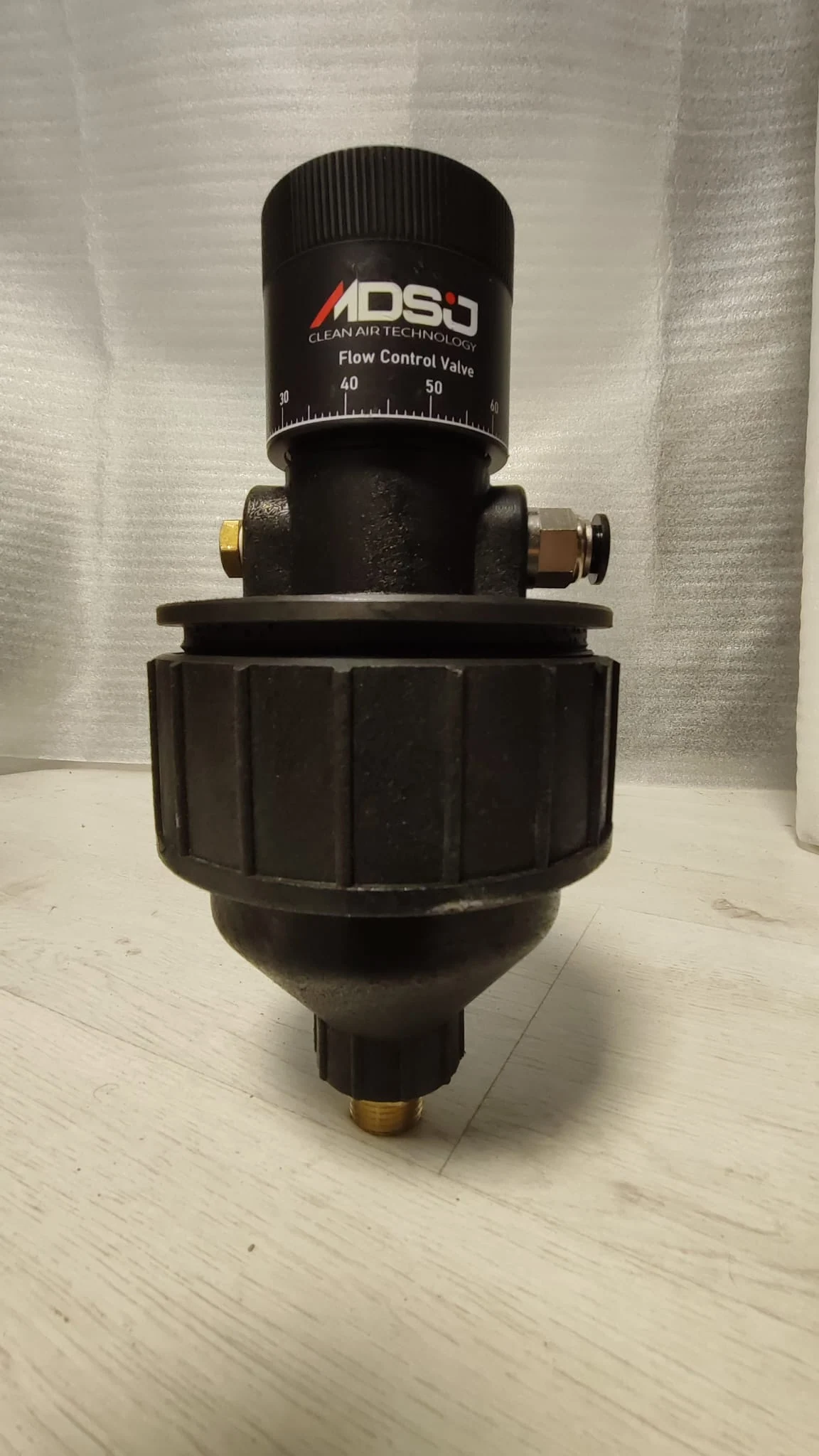
MDSJ Clean Air Technology is one of the innovations of a successful and highly efficient pneumatic conveying system. Whether it is a high pressure or low pressure dilute phase conveying system, the PBV Balance Valve aims to provide optimum pressure balance.

Many pneumatic conveying systems operate in unstable and/or unbalanced pressure conditions.

This means that the conveying system can use either too much compressed air or not enough compressed air; both of these are undesirable situations.

The BPV balance valve automatically detects and responds to the conveying system conditions to ensure the appropriate pressure balance. This allows the material to be conveyed with higher performance and reliability.
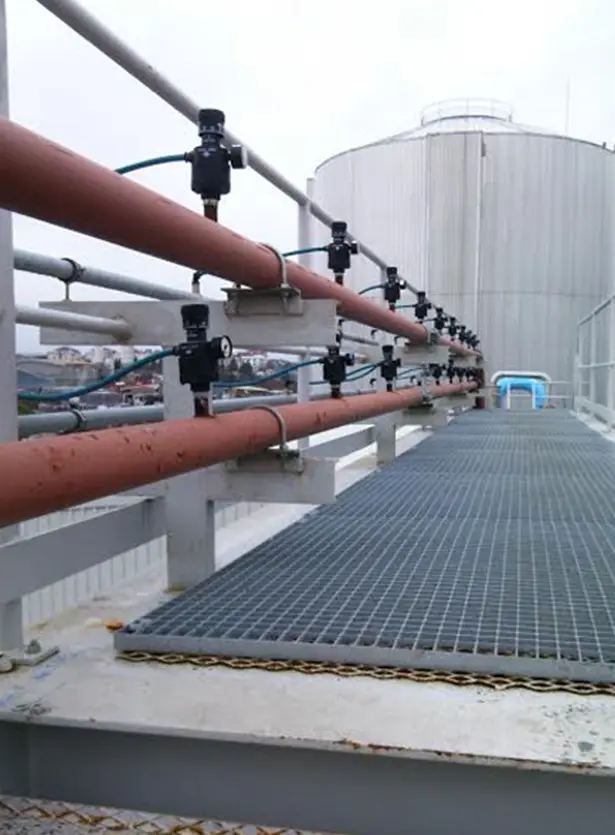
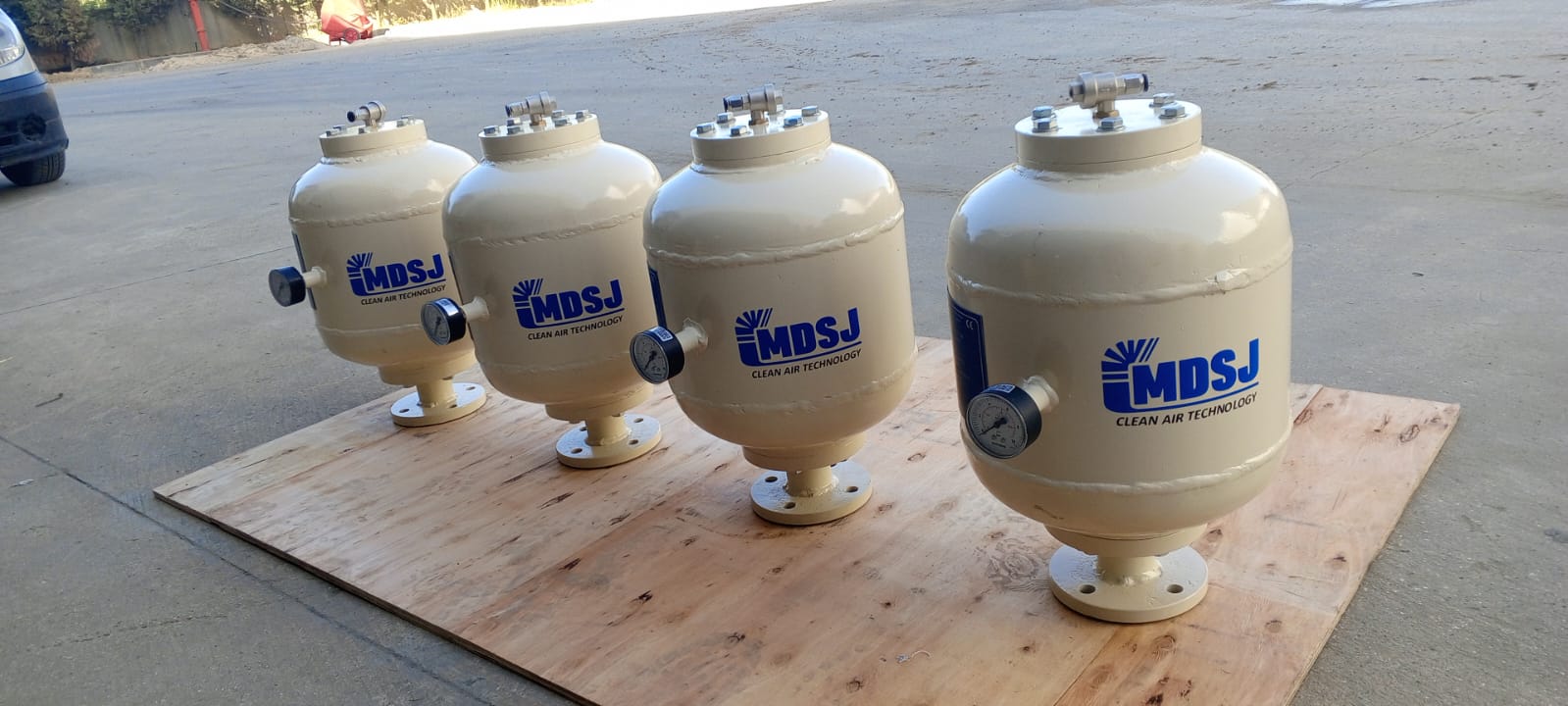
Benefits:

  • High energy savings

  • High precision conveying of very brittle materials

  • Problem-free conveying of extremely abrasive materials

  • Ability to convey difficult or sticky materials

  • Ability to convey high density materials

  • Ability to start and stop the conveying process with a conveying line full of material

Where does it fit best?

  • Pneumatic conveying is a strong option for cement, fly ash, mineral powders, and fragile bulk-solids transfer where closed handling matters.
  • On long routes, multi-turn lines, and silo transfers, it can offer a more compact solution than mechanical conveyors.
  • Where dust control and housekeeping matter, it supports a cleaner process environment.

Selection criteria

  • Particle size, bulk density, abrasiveness, and fragility are core design inputs.
  • Line length, bend count, air velocity, and pressure regime must be assessed together.
  • The choice between dense and dilute phase should balance energy, wear, and product integrity.

Operation and maintenance notes

  • Feed stability, airlock selection, and line build-up behavior should be monitored routinely.
  • Bend wear, plugging tendency, and blower/compressor loading are the main maintenance themes in the field.
  • If velocity is too high, wear rises; if too low, build-up and plugging become more likely.

Frequently Asked Questions

How do you choose between dense and dilute phase?

The decision depends on material sensitivity, line length, wear expectations, and the required transfer regime.

Is pneumatic conveying suitable for every material?

No. Material flow behavior, fragility, and tendency to build up all affect whether pneumatic transport is the right fit.

Which components deserve the closest maintenance attention?

Feed equipment, bends, airlocks, and the blower/compressor package usually need the closest monitoring.

PBV Pressure Balance Booster Valve

Quick Info

Closed-line design helps reduce dust leakage and product loss
Material behavior and line geometry sit at the center of the design
Dense-phase and dilute-phase layouts answer different process priorities

HTML Engineering Resources

Jump to the application page, reference project, and industry series without waiting for a PDF.

Offline Catalog Copy

The HTML resources above are the primary surface. The PDF copy remains only for offline sharing and internal archives.

Open PDF Copy

Need More Information?

Our expert team is ready to provide customized solutions.

Contact Us Request Quote

Embed This Product

Copy the code below and paste it into your website.

Want to learn more about this product?

Our expert team is ready to provide you with customized solutions.