
Skip to content
Jet Pulse Filter

Jet Pulse Filter

Jet Pulse Filter is a baghouse solution that delivers stable filtration on high-volume dusty gas streams through automatic pulse cleaning.

Call Directly

Fast project discussion

Talk to the technical team without waiting for a form

Share capacity, material, temperature, process, and site constraints by phone or email; the team can respond with clear technical next steps.

Jet Pulse Filter

Dry Collection

DUCON

Product Gallery

Jet Pulse Filter

1 images
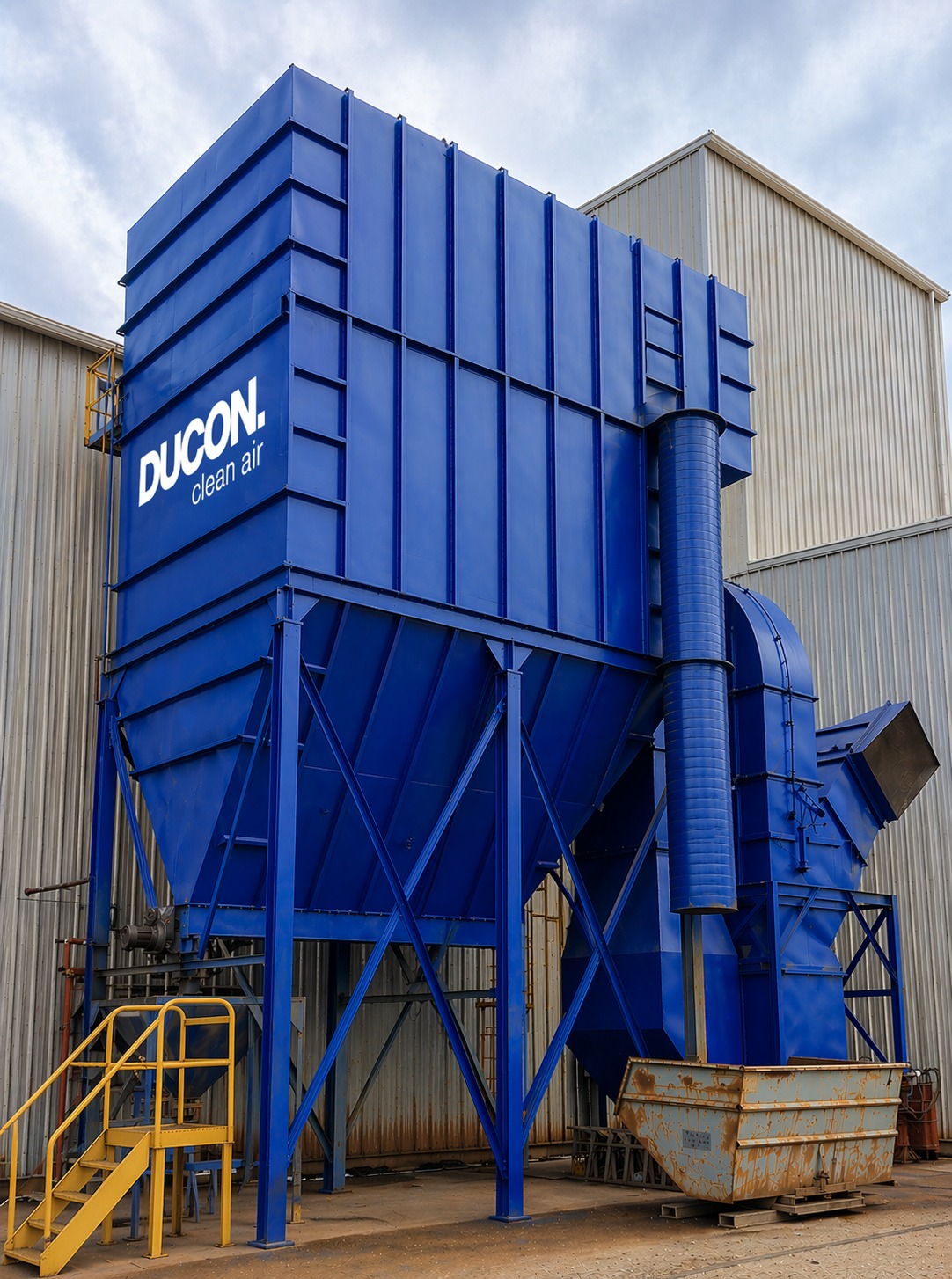
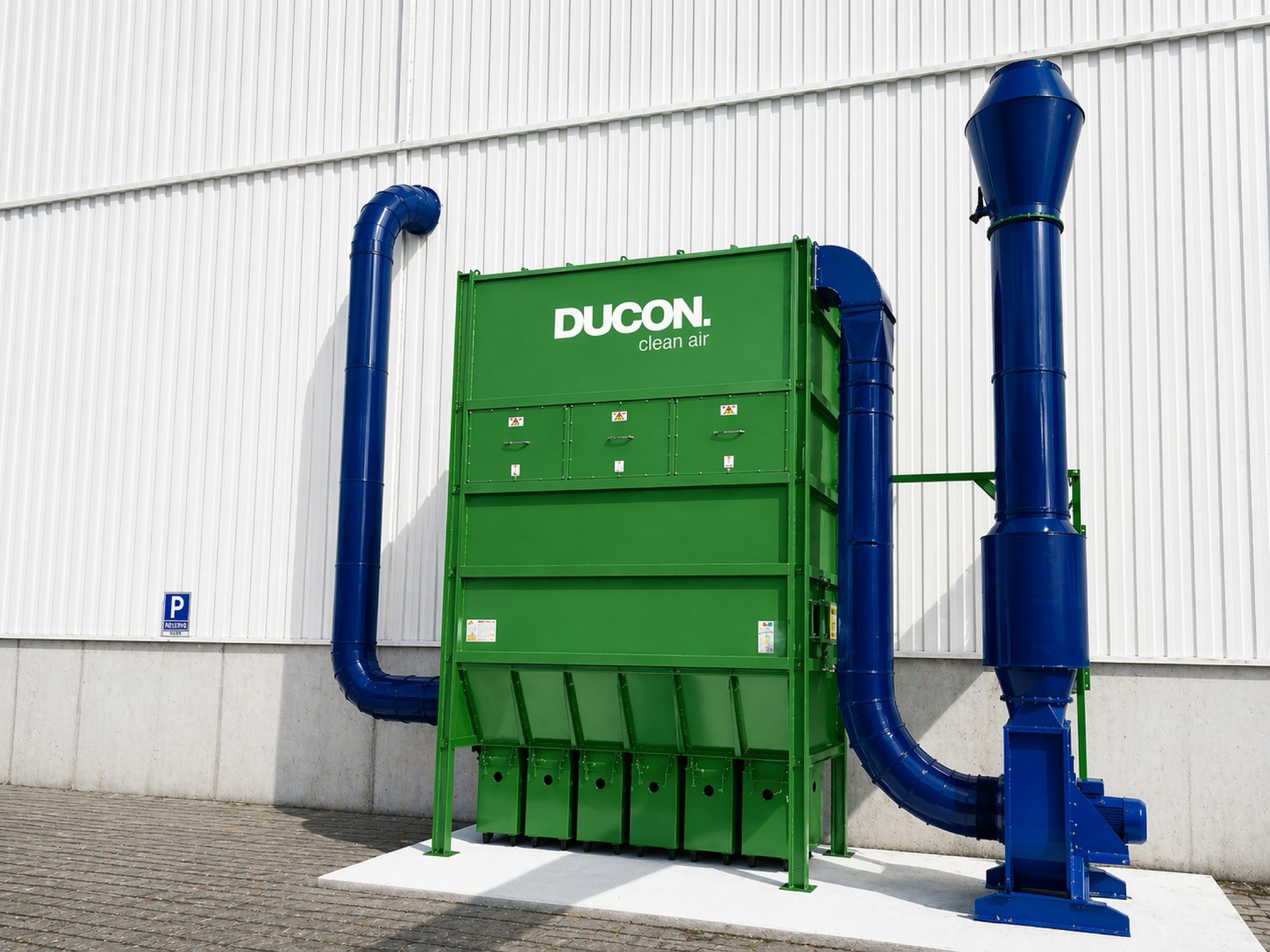
Jet Pulse Filtre DUCON mavi filtre sistemi

يُعدّ فلتر جت بالس (Jet Pulse / Pulse-Jet Bag Filter) الحلَّ الأكثر انتشارًا لاحتجاز الغبار الجاف الدقيق في المنشآت الصناعية. يمرّ الغاز المحمّل بالغبار عبر أكياس قماشية عالية الكفاءة تحجز الجسيمات على سطحها، بينما يُخرج الهواء النظيف من الجانب الآخر مطابقًا للحدود البيئية.

التنظيف بالنفث النبضي

تُنظَّف الأكياس آليًا عبر نفثات قصيرة من الهواء المضغوط (Pulse-Jet) تُزيل طبقة الغبار المتراكمة دون إيقاف الإنتاج. هذا يضمن انخفاض فرق الضغط، واستقرار التدفّق، وعمرًا أطول للأكياس مقارنةً بأنظمة التنظيف الميكانيكي التقليدية.

المجالات الصناعية

  • الأسمنت ومواد البناء — غبار الطواحين والتعبئة والنقل
  • الحديد والصلب والمسابك — الغبار والأدخنة المعدنية
  • الكيماويات والأسمدة ومعالجة المعادن — الغبار الدقيق
  • الزجاج والسيراميك والطاقة — الجسيمات الناعمة

لماذا MDSJ Process – أنظمة DUCON؟

منذ عام 1986 وفي أكثر من 4500 مشروع، نُصمّم فلاتر الأكياس وفق طبيعة كل غبار: حجم الجسيمات، درجة الحرارة، الرطوبة ومعدّل التدفّق — لاختيار وسائط الترشيح وتوقيت النبضات الأمثل.

هل ترغبون في تقييمٍ فنّي خاصٍّ بعمليتكم الإنتاجية؟ فريقنا الهندسي جاهزٌ لدراسة حالتكم.
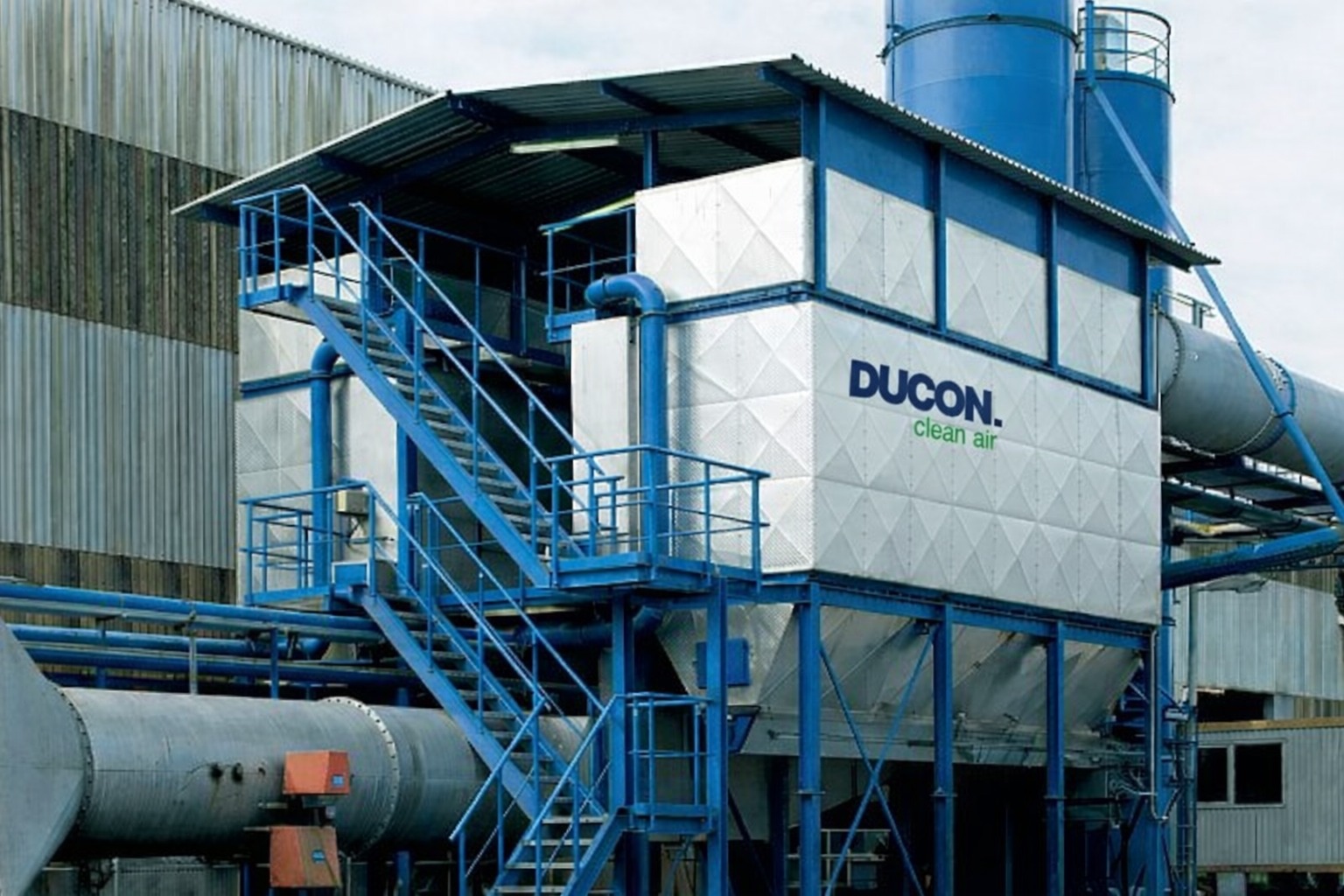
Operating Principle

  • Dirty air enters the unit and passes through purpose-woven filter bags that capture the dust.
  • Particulates are held on the outside of the bags while clean air is sent to atmosphere or to a recovery line.
  • Once differential pressure reaches the set point, solenoid valves fire a brief burst of high-pressure air into each bag (the jet-pulse effect); the shock wave drops the dust cake into the hopper.
  • Cleaning rotates by compartment - one cell cleans while others continue filtering; airflow is uninterrupted.

Technical Specifications and Capacity Range

  • Airflow: 1,000 - 1,000,000 m³/h (modular cell construction).
  • Filtration area: 10 - 12,500 m² (scaled per project).
  • Operating temperature: -30°C to +260°C (standard); up to 260°C with Nomex/P-84, 280°C with fiberglass/PTFE.
  • Particle size: 5 µm - 5 mm (including PM10/PM2.5).
  • Pulse pressure: 6-7 bar (compressed-air supply).
  • Air-to-cloth (A/C) ratio: 0.8 - 2.5 m/min (per dust characteristics).
  • Differential pressure (ΔP): 100-150 mmH2O typical operating point.

Filter Bag Media Options

  • Polyester (PE) - most economical, ≤135°C, ideal for dry dust (cement, iron-steel, wood).
  • Polypropylene (PP) - acid-resistant, ≤90°C, for chemical environments.
  • Acrylic - humid and acidic conditions, ≤125°C, food and fermentation.
  • Nomex (m-Aramid) - high temperature, ≤200°C, cement clinker and metal processes.
  • P-84 (Polyimide) - hottest gases, ≤260°C, fly ash and waste incineration.
  • PTFE (Teflon) membrane - chemical resistant + clean release, ≤280°C, pharma and precision lines.
  • Fiberglass - high temperature (≤280°C), aggressive gas environment.
  • Anti-static media - explosive dust risks (ATEX compliant) - aluminum, magnesium, organic dust.

Industries Served

  • Cement and gypsum - clinker, raw mill, coal mill filtration.
  • Iron-steel and foundry - furnace emissions, cupola, casting ladle dust.
  • Metallurgy and aluminum - smelting furnace, slag handling.
  • Food and feed - flour, sugar, coffee, grain dust (ATEX compliant).
  • Chemicals and pharma - reactor outlet dust control, precision lines.
  • Mining crushing/screening - ore and aggregate plants.
  • Glass and ceramic - batch and kiln lines.
  • Waste incineration and power - ash and fly ash filtration.
  • Wood and furniture - sawing, sanding, MDF production.
  • Plastics and recycling - PVC, PET, granule drying lines.

Advantages

  • High efficiency: up to 99.9% dust capture, including very fine particles.
  • Continuous operation: bag cleaning runs while production continues, minimizing downtime.
  • Low operating cost: long-life filter bags and optimized compressed-air consumption.
  • Modular design: expandable as capacity needs grow.
  • Compliance: <10 mg/Nm³ emission achievable, safe margin to EU/Turkey limits.
  • ATEX-compliant option: certified installation for explosive dust risks.

Selection Criteria

  • Air-to-cloth ratio, dust chemistry, operating temperature, and required airflow are evaluated together.
  • Bag media options: polyester, polypropylene, Nomex (for high temperature), and anti-static fabrics.
  • Pulse-valve count, hopper discharge layout, and maintenance access shape long-term field performance.
  • If explosive dust is possible, ATEX zone classification should be defined early.

Why DUCON Jet Pulse, Why MDSJ Process?

  • Owner of the DUCON trademark in Europe, Asia, and Turkey — MDSJ Process is the DUCON jet-pulse-filter manufacturer in this geography.
  • Designing and manufacturing DUCON jet pulse filters in Turkey since 1986 — 40 years of field experience.
  • DUCON KM (compartment) series — compartment design enables true online cleaning; 99.9% efficiency holds even at high A/C ratios.
  • Direct trilingual engineering support (TR / EN / DE) — international operator training and documentation.
  • Field-validated reference designs in cement clinker, iron-steel furnaces, aluminum smelting, ash handling, and ATEX-required combustible dust lines.
  • Turnkey project: design + manufacturing + site installation + commissioning + emission testing + operator training, all from a single supplier.

Frequently Asked Questions

What is a jet-pulse filter?

A jet-pulse filter (baghouse) captures industrial dust on filter bags and cleans them automatically with bursts of compressed air. It delivers 99.9% efficiency with online cleaning that does not stop production.

Is a jet-pulse filter the same as a baghouse?

Baghouse is the family term; jet pulse is the most common automatic pulse-jet cleaning architecture in that family. Other baghouse types use reverse-air or shaker cleaning.

Which bag media should I choose?

Polyester for standard (≤135°C), polypropylene for acidic conditions, Nomex for high temperature (≤200°C), P-84 or PTFE membrane for hottest gases (≤260°C), anti-static media for combustible dust.

What is the capacity range?

DUCON KM series is modular from 1,000 m³/h up to 1,000,000 m³/h. Filtration area scales between 10 and 12,500 m².

What is the difference between polyester and Nomex bags?

Polyester ≤135°C, most economical, ideal for dry dust. Nomex ≤200°C, high-temperature resistance, preferred in cement clinker and metal processes. Cost difference is typically 3-5×.

When does the system clean itself?

When differential pressure reaches the set point (typically 100-150 mmH2O) solenoid valves auto-trigger pulse cleaning. Production never stops — one cell cleans while others continue filtering.

Is ATEX required for jet-pulse filters?

In processes with explosive dust (aluminum, magnesium, flour, sugar, organic) ATEX zone classification and compliant equipment are mandatory. DUCON KM series is optionally ATEX compliant.

How often are filter bags replaced?

2-4 years under standard conditions. Abrasive dust, high temperature, or chemical load can shorten to 1-2 years. Correct bag selection and A/C ratio directly affect life.

How much compressed air does it consume?

Pulse cleaning uses 6-7 bar compressed air. Typical consumption is 0.1-0.3 Nm³/min/m² of filter area; on-demand cleaning minimizes it.

Which industries use jet-pulse filters?

Cement, iron-steel, metallurgy, food, chemical, pharma, mining, glass, ceramic, waste incineration, wood, and plastic recycling — almost every industrial dust line.

Who is the jet-pulse filter manufacturer in Turkey?

MDSJ Process designs, manufactures, installs, and commissions jet-pulse baghouse filters (DUCON KM series) in Turkey under the DUCON brand (MDSJ owns the DUCON trademark rights for Europe, Asia, and Turkey). Active since 1986.

What emission limits are achievable?

With correct design and bag selection, emissions <10 mg/Nm³ are achievable. Safely meets EU and Turkey environmental limits (typically 20-50 mg/Nm³).

Quick Info

99.9% dust capture efficiency - even on PM2.5 fine particulate
Modular design for 1,000 - 1,000,000 m³/h capacity
Pulse-jet automatic cleaning - online, never stops production

HTML Engineering Resources

Jump to the application page, reference project, and industry series without waiting for a PDF.

الكتالوجات

MDSJ Product Catalog
PDF

Discuss the Project Directly

Share product, capacity, and process details without filling out a form first.

Call Directly Send Email Open the quote form if preferred

Embed This Product

Copy the code below and paste it into your website.

Start a project discussion for this product

Reach the team directly by phone or email; the form is optional.

Call Email