
Skip to content
DSI Dry Sorbent Injection

DSI Dry Sorbent Injection

DSI Dry Sorbent Injection is a low-water treatment solution that neutralizes acidic flue-gas components through dry reagent dosing.

Call Directly

Fast project discussion

Talk to the technical team without waiting for a form

Share capacity, material, temperature, process, and site constraints by phone or email; the team can respond with clear technical next steps.

DSI Dry Sorbent Injection

Dry Collection

DUCON

Product Gallery

DSI Dry Sorbent Injection

1 images
DSI Dry Sorbent Injection

تحقن أنظمة FGD الجافة وشبه الجافة مادة قلوية (جير) في تيار الغاز لامتصاص SO₂ والغازات الحمضية، بأقلّ استهلاك للمياه ودون مياه عادمة، وهي مثالية للمناطق محدودة الموارد المائية كالخليج.

أبرز المزايا والتطبيقات

  • معالجة SO₂ بأقلّ استهلاك للمياه
  • بدون مياه عادمة سائلة
  • مثالي للمناطق محدودة المياه
  • مناسب لمحطات الطاقة والأسمنت

هل ترغبون في تقييمٍ فنّي خاصٍّ بعمليتكم الإنتاجية؟ فريقنا الهندسي جاهزٌ لدراسة حالتكم. منذ 1986 وأكثر من 4500 مشروع عبر أنظمة DUCON.
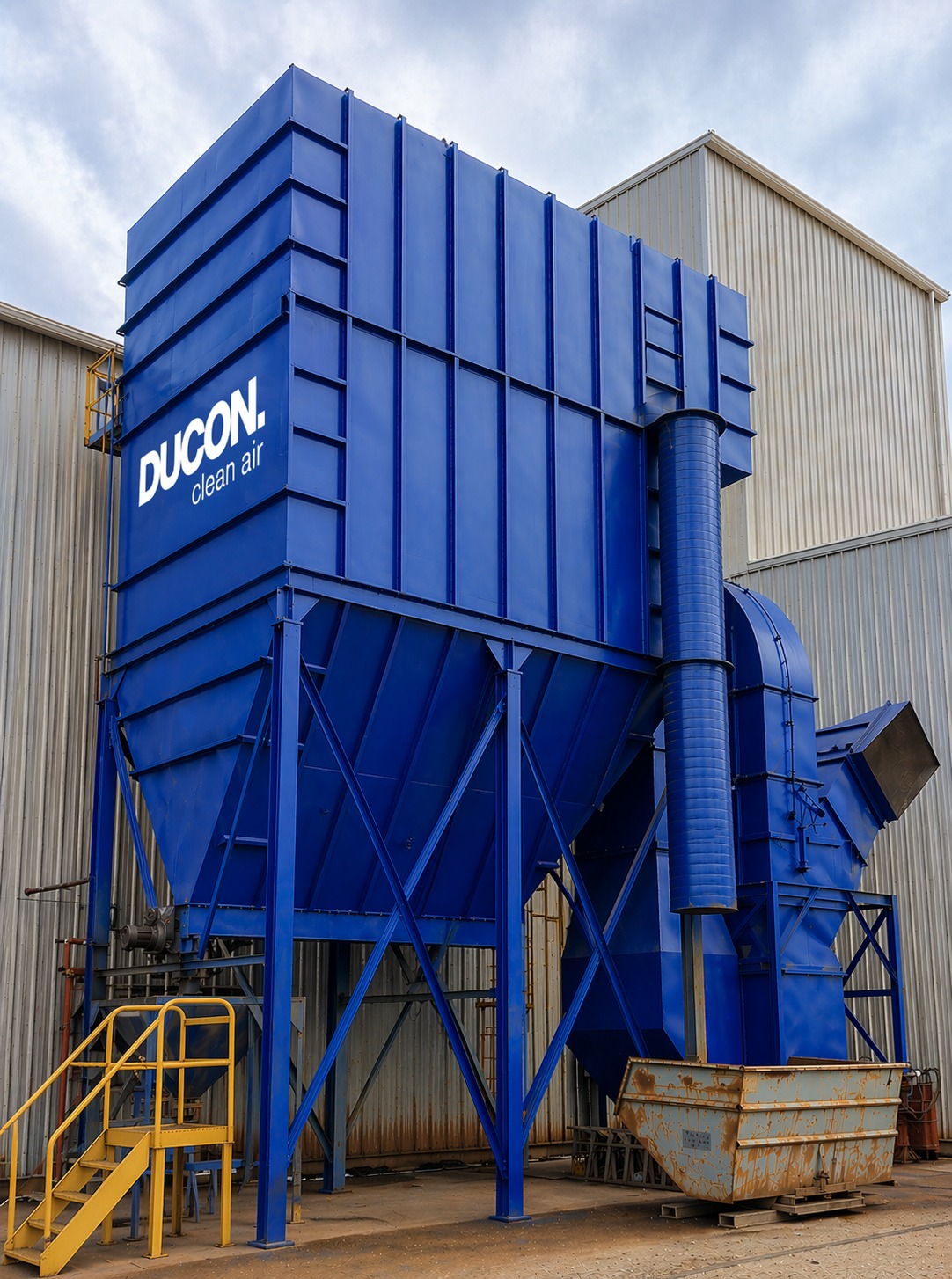
What is DSI?

  • Dry Sorbent Injection (DSI) is a modern technology used to remove acid pollutants (SO2, HCl, HF) from flue gas.
  • A powdered reactive material is injected directly into the flue-gas stream.
  • It stands out for its low capital cost and ease of installation.

How the system works

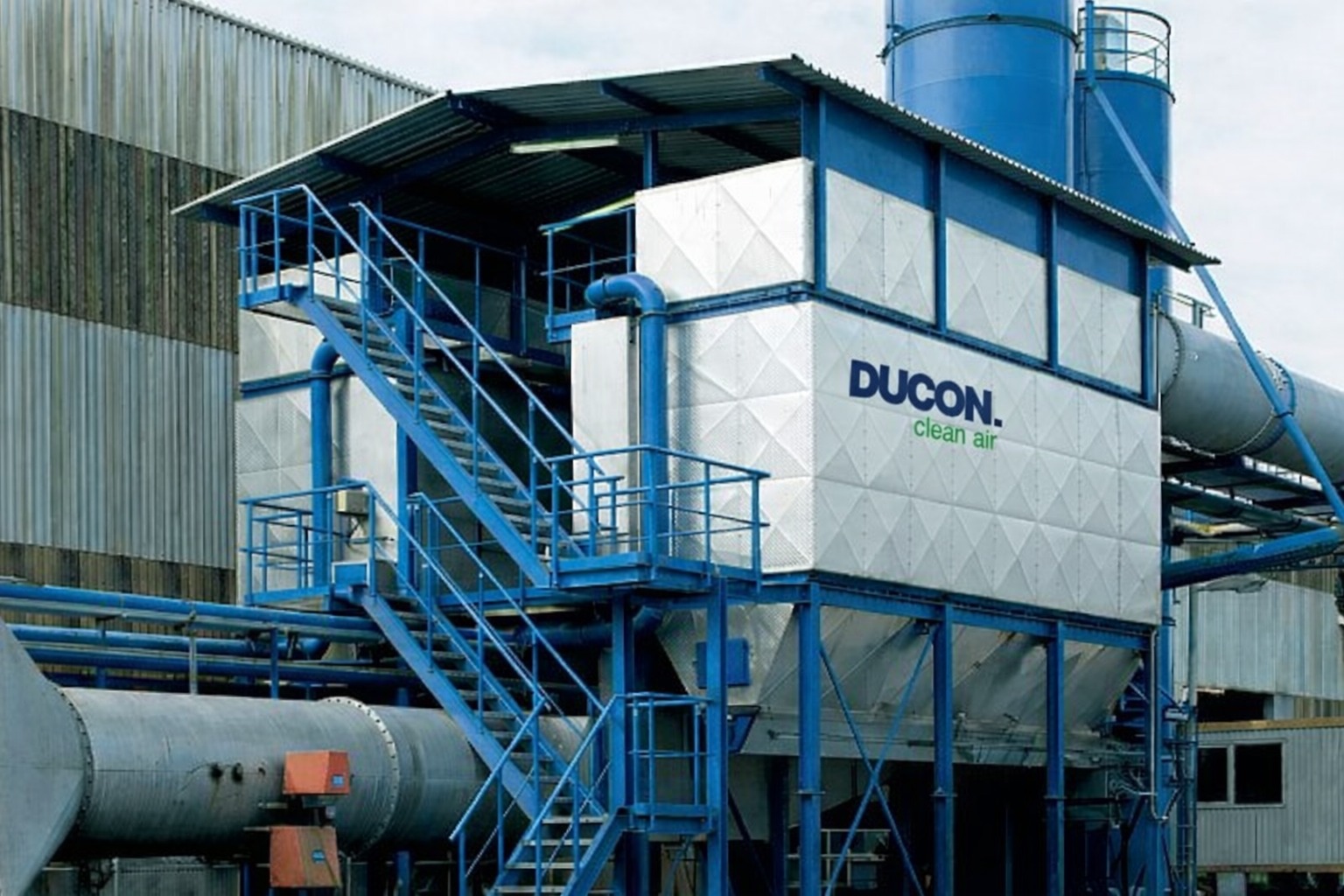
  • 1. Storage — Sorbents (trona or sodium bicarbonate) are kept in dedicated sealed silos.
  • 2. Injection — Precision dosing units distribute the material into the gas duct homogeneously.
  • 3. Filtration — Solid particles formed after the reaction are captured in the bag filter and removed from the system.

Why DSI? Advantages

  • Cost: Much lower capital expenditure compared to wet scrubbers.
  • Footprint: Compact design integrates easily with existing plants.
  • Water use: Fully dry process — no water consumption or wastewater treatment.
  • Flexibility: Real-time dosing adjustment to keep pace with variable emission limits.

Application areas

  • Thermal power plants (coal and biomass).
  • Waste-incineration facilities.
  • Glass and ceramics factories.
  • Cement and lime production plants.
  • Iron-steel and metallurgy facilities.

Technical note

  • For removal efficiencies above 95%, in-line milling systems that increase the sorbent's active surface area can be integrated into our solutions.

Frequently Asked Questions

What is the main difference between DSI and a wet scrubber?

DSI uses a dry reagent and the reaction product is captured in the existing bag filter, whereas a wet scrubber uses liquid reagent in a scrubbing tower and generates wastewater.

Is DSI compatible with my existing bag filter?

Yes — DSI is typically integrated upstream of the existing bag filter; the filtration area and pressure-drop margin should be re-checked.

Which sorbent should be used?

Sodium bicarbonate or trona usually performs best for SO2-driven emissions; hydrated lime is typical for HCl/HF-driven emissions.

Quick Info

Neutralizes acid pollutants (SO2, HCl, HF) directly in the gas phase
Significantly lower initial investment than wet scrubbers
Fully dry process — no water consumption or wastewater treatment needed

HTML Engineering Resources

Jump to the application page, reference project, and industry series without waiting for a PDF.

الكتالوجات

MDSJ Product Catalog
PDF

Discuss the Project Directly

Share product, capacity, and process details without filling out a form first.

Call Directly Send Email Open the quote form if preferred

Embed This Product

Copy the code below and paste it into your website.

Start a project discussion for this product

Reach the team directly by phone or email; the form is optional.

Call Email