 Türkçe
 English
 العربية
 Deutsch
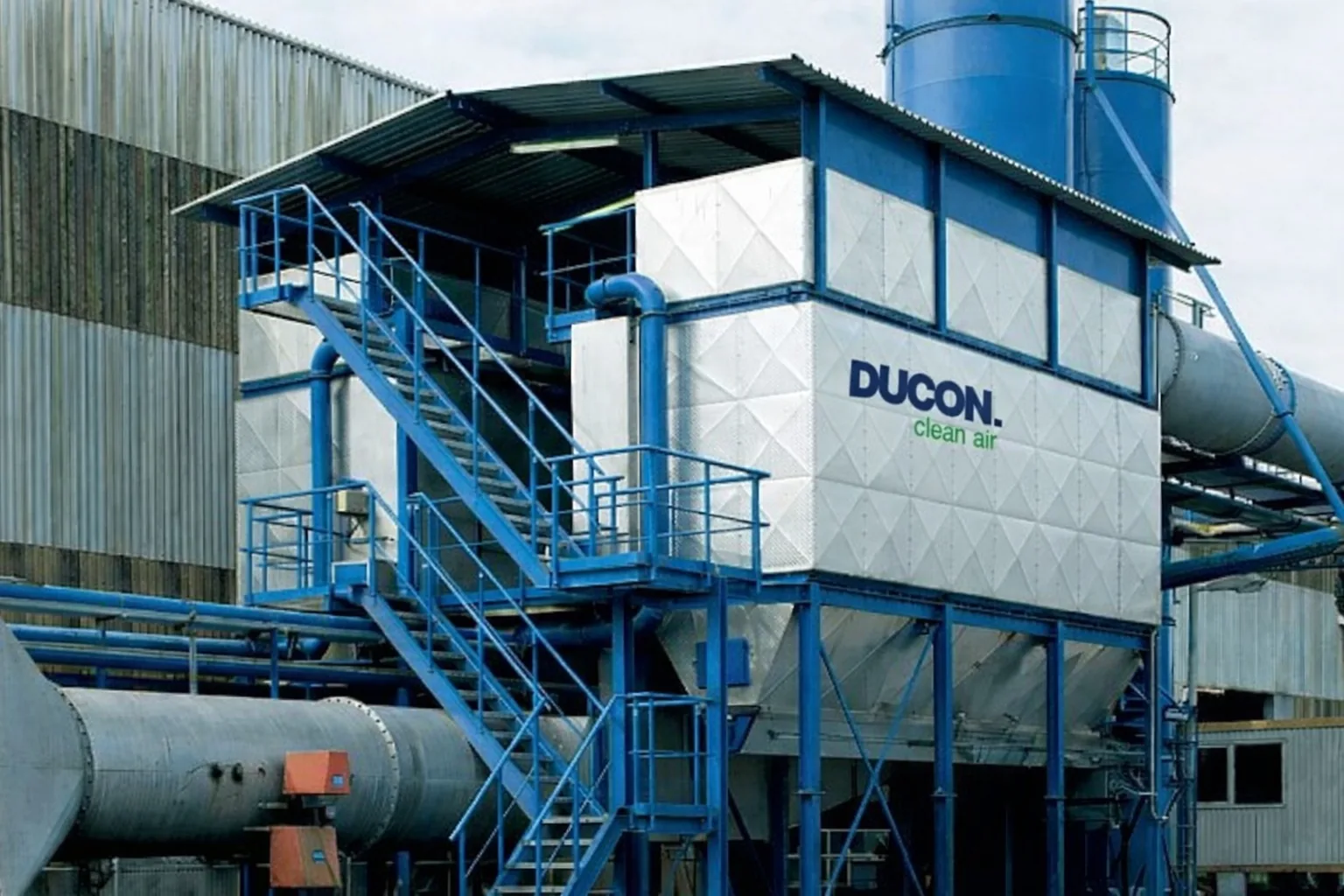
تجميع الغبار والترشيح الجاف
نظام تجميع الغبار الصناعي وفلتر الأكياس Jet Pulse (Baghouse)
أرسل تفاصيل مشروعك واحصل على تقييم هندسي أولي
نصمم أنظمة تجميع غبار صناعية وفلاتر أكياس Jet Pulse (Baghouse) مخصصة لكل مشروع في منشآت الأسمنت والمعادن والأغذية والكيماويات والطاقة، حيث يجب هندسة مساحة الترشيح وأداء المروحة ومسار القنوات وحدود الانبعاثات معًا. قبل قرار الشراء، نوضح مسار الحل القابل للتطبيق استنادًا إلى معدل التدفق ونوع الغبار/الغاز ودرجة الحرارة والسعة وبيانات القطاع.
+90 212 356 78 70 · +90 555 802 30 04 · info@mdsjprocess.com
نستهدف أول رد فني خلال 24 ساعة عمل؛ الهاتف/WhatsApp أسرع في حالات التوقف الطارئ أو مشاكل الموقع.
- التركيز
- مجمع غبار صناعي
- النطاق
- تصميم وتصنيع وتركيب
- الاستخدام
- شفط الغبار
الثقة قبل القرار
لنتحدث عبر صور الموقع والمخططات ومعايير القطاع
الهدف من هذه الصفحة ليس عرض كتالوج؛ بل الوصول سريعًا إلى منطق التطبيق الأقرب لمشكلة منشأتك.
منطق التطبيقات المماثلة
يتم تحديد عائلة الحلول المرجحة وفق القطاع وتدفق الهواء ونوع العملية.
مراجعة صور الموقع / الرسومات
عند مشاركة الصور أو الرسومات، يمكن قراءة التخطيط والقنوات والمروحة ونطاق المعدات بشكل أسرع.
تقييم النظام القائم
يتم فحص تدفق الهواء وتسرب الغبار وفرق الضغط وعمر الأكياس أو مشاكل الانبعاثات لتحديد إمكانية التعديل.
معايير خاصة بكل قطاع
لا ينبغي تقييم عمليات الأسمنت والمعادن والأغذية والكيماويات والتعدين والطاقة بقالب عرض واحد.
لزوار الإعلانات المدفوعة
ننطلق من مشكلة العملية، وليس من اسم المنتج فقط
العرض الصحيح لمعالجة الغبار أو الغازات الصناعية يأتي من قراءة نوع المعدات وظروف الموقع والحدود المستهدفة والمشكلة الحالية معًا.
تسرب الغبار / غبار المدخنة
تتم مراجعة مساحة الترشيح واختيار الأكياس وأداء المروحة وفواقد القنوات معًا.
ضعف الشفط / تدفق الهواء
يتم الفصل بين نقاط الشفط ومسار القنوات وفاقد الضغط ونقطة تشغيل المروحة.
إزالة الغازات / الروائح
يحدد تركيب الغاز ودرجة الحرارة وكيمياء السائل ونسبة الإزالة المستهدفة نوع الـ Scrubber.
زيادة السعة
القرار الأول هو ما إذا كان تعديل النظام القائم أم النظام الجديد هو المسار الصحيح.
قائمة التحقق الفنية لطلب العرض (RFQ)
ما البيانات الكافية للتقييم الهندسي الأولي؟
يمكنك إرسال النموذج حتى لو لم تكن تعرف كل هذه البيانات. لكن توفر 2-3 منها يجعل التوجيه الفني الأول أكثر دقة.
ملاءمة الإعلان
ما عمليات البحث التي تجيب عنها هذه الصفحة؟
يجب أن تصل نقرات الإعلانات المدفوعة إلى صفحة تطابق المعدة التي جرى البحث عنها وتمنح فرق المشتريات الخطوة الفنية التالية.
الحالات التي يناسب فيها هذا الحل
الحاجة إلى التقاط الغبار الجاف أو الجسيمات أو الأدخنة من المصدر عبر نظام تجميع غبار صناعي متكامل
ضرورة تقييم أكياس الفلتر أو الخراطيش أو السيكلون واختيار المروحة معًا
وجود مشاكل في تدفق الهواء أو عمر الأكياس أو فرق الضغط في نظام قائم
الحاجة إلى حل موثق يفي بحدود الانبعاثات ومتطلبات التدقيق في المنشأة
البيانات الأولية اللازمة لإعداد عرض دقيق
حجم تدفق الهواء أو عدد نقاط الشفط
نوع الغبار ودرجة الحرارة والرطوبة وبيانات قابلية الانفجار
أبعاد المروحة والقنوات والفلاتر الحالية
مساحة التركيب وموقع المدخنة أو صور الموقع
نطاق التوريد النموذجي للنظام
تسعير أنظمة تجميع الغبار الصناعية ليس رقمًا من كتالوج. فتدفق الهواء وخصائص الغبار ودرجة الحرارة ومساحة الترشيح وأداء المروحة وتخطيط الموقع تغيّر التصميم الهندسي. مكالمة هاتفية أو بريد فني عادةً ما يقدم خطوة تالية أدق من نموذج عام.
جسم مجمع الغبار واختيار الأكياس/الأقفاص ونظام التنظيف النبضي (Jet Pulse)
تكامل المروحة والقنوات والقادوس والناقل الحلزوني أو الصمام الدوار (Rotary Valve)
الأتمتة ومراقبة فرق الضغط والتشغيل في الموقع
وثائق فنية متوافقة مع خطة الصيانة وقطع الغيار
مجالات التطبيق
القطاعات والتطبيقات
لماذا يُعد التواصل المباشر أفضل من النموذج؟
معالجة الأسمنت والجير والمعادن الصناعية
الصناعات المعدنية والمسابك وأدخنة اللحام
مساحيق الأغذية والكيماويات والبلاستيك والأدوية
خطوط الطاقة ومعالجة النفايات وإعادة التدوير
الأسئلة الشائعة
كيف يتم تحديد سعر فلتر Jet Pulse؟ +
يعتمد السعر على حجم تدفق الهواء ومساحة الترشيح وخصائص الغبار ودرجة الحرارة ومواصفات المواد ونطاق المروحة والقنوات ومتطلبات الأتمتة.
هل يمكن تحسين نظام تجميع غبار قائم؟ +
نعم. يمكننا مراجعة فرق الضغط وعمر الأكياس وتدفق الهواء وبيانات الانبعاثات، ثم تعديل مساحة الترشيح أو أداء المروحة أو القنوات أو نظام التنظيف النبضي عند الحاجة.
هل توردون الفلتر فقط أم نظامًا متكاملًا؟ +
كلاهما ممكن. يمكننا توريد وحدة الفلتر فقط أو تسليم نظام متكامل يشمل المروحة والقنوات والقادوس والأتمتة والتشغيل.
هل هذه ماكينة تجميع غبار مستقلة؟ +
يمكن توريدها كمعدة مستقلة، لكن معظم مشاريع تجميع الغبار الصناعية تتطلب هندسة تدفق الهواء والقنوات والمروحة والقادوس وتفاصيل التفريغ كنظام واحد.