
Skip to content
Biogas Desulfurization

Biogas Desulfurization

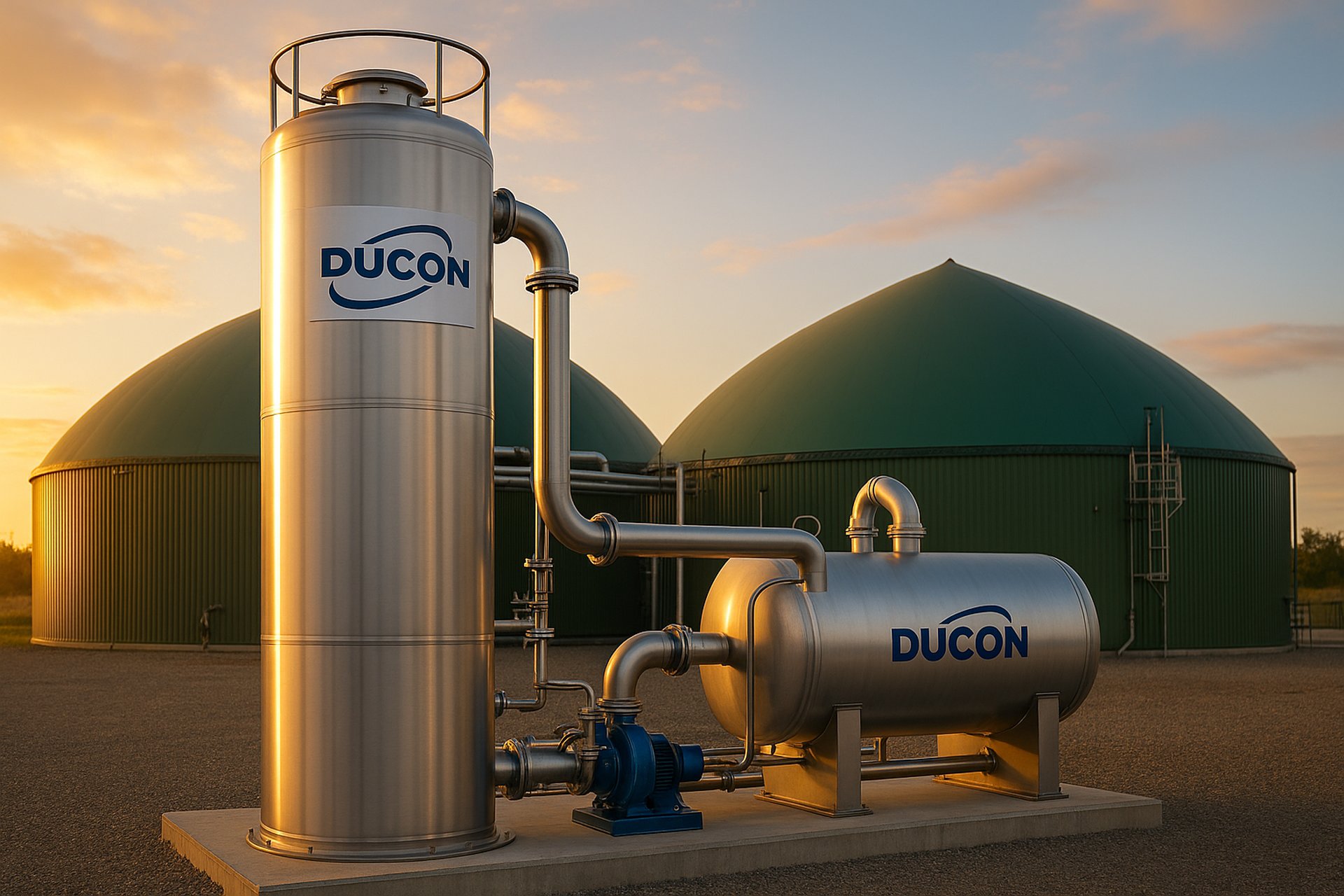
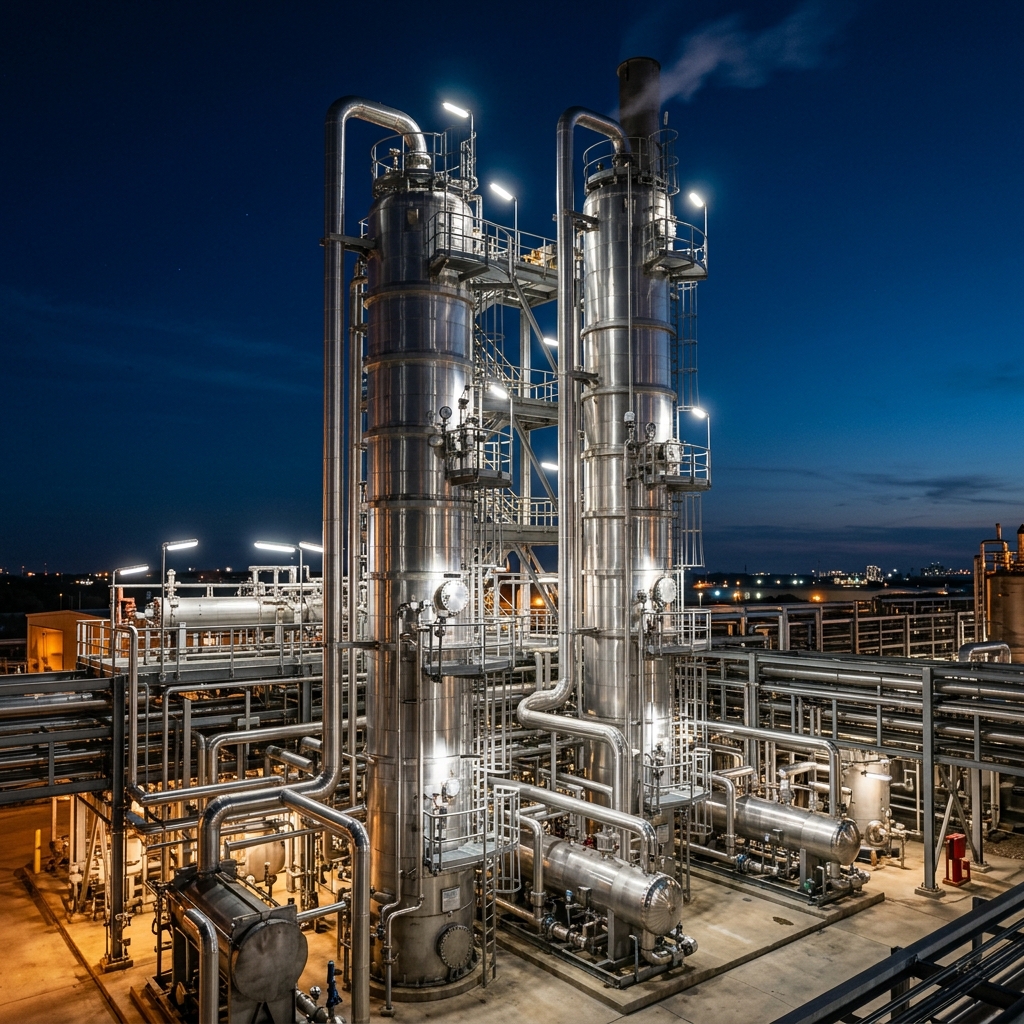
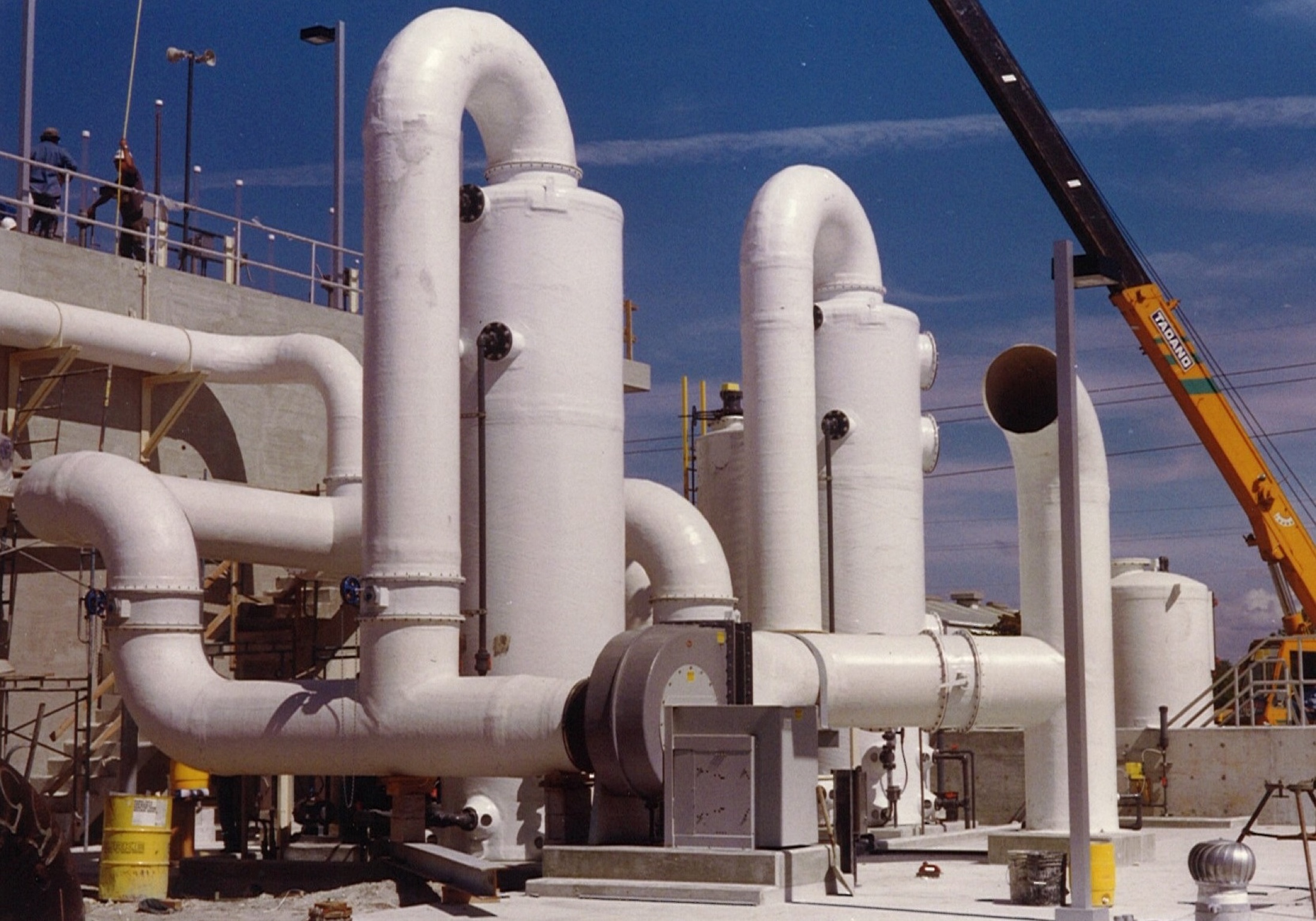
Biogas Desulfurization reduces H2S load in biogas lines to improve equipment life and overall process reliability.

Call Directly

Fast project discussion

Talk to the technical team without waiting for a form

Share capacity, material, temperature, process, and site constraints by phone or email; the team can respond with clear technical next steps.

Biogas Desulfurization

Wet Collection

DUCON

Product Gallery

Biogas Desulfurization

1 images
Biogas Desulfurization

تزيل أنظمة إزالة كبريت الغاز الحيوي كبريتيد الهيدروجين (H₂S) المسبّب للتآكل والروائح من الغاز الحيوي عبر طرق بيولوجية أو كيميائية، فترفع جودة الغاز وتحمي المحرّكات والمعدّات.

أبرز المزايا والتطبيقات

  • إزالة فعّالة لـ H₂S من الغاز الحيوي
  • طرق بيولوجية وكيميائية
  • حماية المحرّكات من التآكل
  • مناسب لمحطات الغاز الحيوي ومعالجة النفايات

هل ترغبون في تقييمٍ فنّي خاصٍّ بعمليتكم الإنتاجية؟ فريقنا الهندسي جاهزٌ لدراسة حالتكم. منذ 1986 وأكثر من 4500 مشروع عبر أنظمة DUCON.
What is DSI?

  • Dry Sorbent Injection (DSI) is a modern technology used to remove acid pollutants (SO2, HCl, HF) from flue gas.
  • A powdered reactive material is injected directly into the flue-gas stream.
  • It stands out for its low capital cost and ease of installation.

How the system works

  • 1. Storage — Sorbents (trona or sodium bicarbonate) are kept in dedicated sealed silos.
  • 2. Injection — Precision dosing units distribute the material into the gas duct homogeneously.
  • 3. Filtration — Solid particles formed after the reaction are captured in the bag filter and removed from the system.

Why DSI? Advantages

  • Cost: Much lower capital expenditure compared to wet scrubbers.
  • Footprint: Compact design integrates easily with existing plants.
  • Water use: Fully dry process — no water consumption or wastewater treatment.
  • Flexibility: Real-time dosing adjustment to keep pace with variable emission limits.

Application areas

  • Thermal power plants (coal and biomass).
  • Waste-incineration facilities.
  • Glass and ceramics factories.
  • Cement and lime production plants.
  • Iron-steel and metallurgy facilities.

Technical note

  • For removal efficiencies above 95%, in-line milling systems that increase the sorbent's active surface area can be integrated into our solutions.

Frequently Asked Questions

What is the main difference between DSI and a wet scrubber?

DSI uses a dry reagent and the reaction product is captured in the existing bag filter, whereas a wet scrubber uses liquid reagent in a scrubbing tower and generates wastewater.

Is DSI compatible with my existing bag filter?

Yes — DSI is typically integrated upstream of the existing bag filter; the filtration area and pressure-drop margin should be re-checked.

Which sorbent should be used?

Sodium bicarbonate or trona usually performs best for SO2-driven emissions; hydrated lime is typical for HCl/HF-driven emissions.

Quick Info

Neutralizes acid pollutants (SO2, HCl, HF) directly in the gas phase
Significantly lower initial investment than wet scrubbers
Fully dry process — no water consumption or wastewater treatment needed

HTML Engineering Resources

Jump to the application page, reference project, and industry series without waiting for a PDF.

الكتالوجات

MDSJ Product Catalog
PDF

Discuss the Project Directly

Share product, capacity, and process details without filling out a form first.

Call Directly Send Email Open the quote form if preferred

Embed This Product

Copy the code below and paste it into your website.

Start a project discussion for this product

Reach the team directly by phone or email; the form is optional.

Call Email