 Türkçe
 English
 العربية
 Deutsch
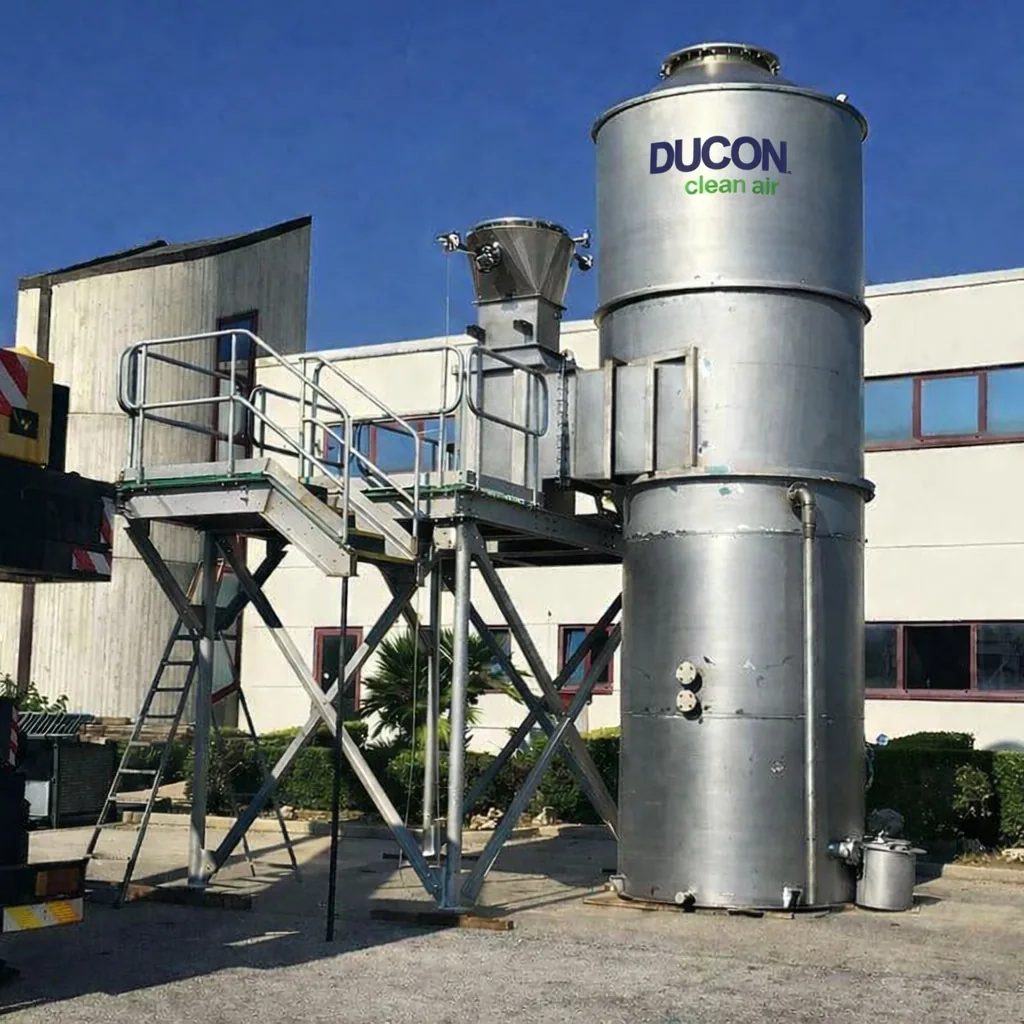
تنقية الغازات والترشيح الرطب
نظام الغسل الرطب (Wet Scrubber) وتنقية الغازات الصناعية
أرسل تفاصيل مشروعك واحصل على تقييم هندسي أولي
للمنشآت التي تتعامل مع الغازات الحمضية أو الروائح أو الجسيمات أو SOx أو HCl أو NH3 أو انبعاثات العمليات، نقوم بهندسة نوع الـ Scrubber ودائرة السائل واختيار المواد استنادًا إلى بيانات العملية الفعلية. قبل قرار الشراء، نوضح مسار الحل القابل للتطبيق استنادًا إلى معدل التدفق ونوع الغبار/الغاز ودرجة الحرارة والسعة وبيانات القطاع.
+90 212 356 78 70 · +90 555 802 30 04 · info@mdsjprocess.com
نستهدف أول رد فني خلال 24 ساعة عمل؛ الهاتف/WhatsApp أسرع في حالات التوقف الطارئ أو مشاكل الموقع.
- التركيز
- Wet Scrubber
- النطاق
- تنقية الغازات
- العملية
- غازات حمضية، روائح، جسيمات
الثقة قبل القرار
لنتحدث عبر صور الموقع والمخططات ومعايير القطاع
الهدف من هذه الصفحة ليس عرض كتالوج؛ بل الوصول سريعًا إلى منطق التطبيق الأقرب لمشكلة منشأتك.
منطق التطبيقات المماثلة
يتم تحديد عائلة الحلول المرجحة وفق القطاع وتدفق الهواء ونوع العملية.
مراجعة صور الموقع / الرسومات
عند مشاركة الصور أو الرسومات، يمكن قراءة التخطيط والقنوات والمروحة ونطاق المعدات بشكل أسرع.
تقييم النظام القائم
يتم فحص تدفق الهواء وتسرب الغبار وفرق الضغط وعمر الأكياس أو مشاكل الانبعاثات لتحديد إمكانية التعديل.
معايير خاصة بكل قطاع
لا ينبغي تقييم عمليات الأسمنت والمعادن والأغذية والكيماويات والتعدين والطاقة بقالب عرض واحد.
لزوار الإعلانات المدفوعة
ننطلق من مشكلة العملية، وليس من اسم المنتج فقط
العرض الصحيح لمعالجة الغبار أو الغازات الصناعية يأتي من قراءة نوع المعدات وظروف الموقع والحدود المستهدفة والمشكلة الحالية معًا.
تسرب الغبار / غبار المدخنة
تتم مراجعة مساحة الترشيح واختيار الأكياس وأداء المروحة وفواقد القنوات معًا.
ضعف الشفط / تدفق الهواء
يتم الفصل بين نقاط الشفط ومسار القنوات وفاقد الضغط ونقطة تشغيل المروحة.
إزالة الغازات / الروائح
يحدد تركيب الغاز ودرجة الحرارة وكيمياء السائل ونسبة الإزالة المستهدفة نوع الـ Scrubber.
زيادة السعة
القرار الأول هو ما إذا كان تعديل النظام القائم أم النظام الجديد هو المسار الصحيح.
قائمة التحقق الفنية لطلب العرض (RFQ)
ما البيانات الكافية للتقييم الهندسي الأولي؟
يمكنك إرسال النموذج حتى لو لم تكن تعرف كل هذه البيانات. لكن توفر 2-3 منها يجعل التوجيه الفني الأول أكثر دقة.
ملاءمة الإعلان
ما عمليات البحث التي تجيب عنها هذه الصفحة؟
قد تعني عمليات البحث عن الـ Scrubber مشاكل تشغيلية مختلفة. تساعد هذه الصفحة المشترين على تحديد الاتجاه الصحيح لتنقية الغازات بالغسل الرطب بسرعة.
الحالات التي يناسب فيها هذا الحل
وجود غازات حمضية أو روائح أو أبخرة أو ملوثات قابلة للذوبان
الحاجة إلى إزالة الجسيمات والغازات في نظام واحد
اعتماد اختيار المواد على مقاومة التآكل والمواد الكيميائية
ضرورة التزام هواء العملية أو غاز المداخن بحد انبعاثات محدد
البيانات الأولية اللازمة لإعداد عرض دقيق
معدل تدفق الغاز ودرجة الحرارة والرطوبة وتركيزات الملوثات
حد الانبعاثات المستهدف أو متطلبات التصاريح
التركيب الكيميائي ومخاطر التآكل
تخطيط الموقع وموقع المدخنة ومعلومات المرافق
نطاق التوريد النموذجي للنظام
لا يعتمد اختيار الـ Scrubber على معدل التدفق وحده. فتركيب الغاز ودرجة الحرارة وكيمياء السائل ومخاطر التآكل تحدد المواد الصحيحة ونطاق المعدات. المكالمة الفنية أو بريد بيانات العملية هما المسار الأسرع.
اختيار النوع: Venturi أو Packed Bed أو Tray أو Spray Tower
مضخة التدوير والفوهات ومزيل الرذاذ (Demister) ونظام الجرعات الكيميائية
تحديد المواد: FRP أو PP أو الفولاذ المقاوم للصدأ أو الإنشاء المبطن
المروحة والقنوات والأتمتة والتشغيل والتوثيق
مجالات التطبيق
القطاعات والتطبيقات
لماذا يُعد التواصل المباشر أفضل من النموذج؟
منشآت الكيماويات والبتروكيماويات ومعالجة الأسطح
حرق النفايات والطاقة وتنقية غازات المداخن
الغاز الحيوي والتحكم في الروائح وهواء عمليات معالجة المياه
صناعات الزجاج والمعادن والأسمدة وعمليات الغازات الحمضية
الأسئلة الشائعة
ما الغازات التي يمكن لنظام Wet Scrubber معالجتها؟ +
يمكن استخدام أنظمة الغسل الرطب لمعالجة HCl وSOx وNH3 والغازات الحمضية ومركبات الروائح والغازات القابلة للذوبان وبعض عمليات الجسيمات؛ وتتحدد الملاءمة وفق تحليل الغاز.
ما الفرق بين Venturi Scrubber وPacked Bed Scrubber؟ +
يُفضل Venturi Scrubber لإزالة الجسيمات وحالات التلامس عالي الطاقة، بينما يُختار Packed Bed Scrubber عادةً لامتصاص الغازات والغسل الكيميائي.
كيف يتم اختيار مواد تصنيع الـ Scrubber؟ +
تحدد درجة الحرارة ودرجة الحموضة (pH) والمحتوى الكيميائي ومخاطر التآكل ما إذا كان الحل المناسب هو FRP أو PP أو الفولاذ المقاوم للصدأ أو الإنشاء المبطن.